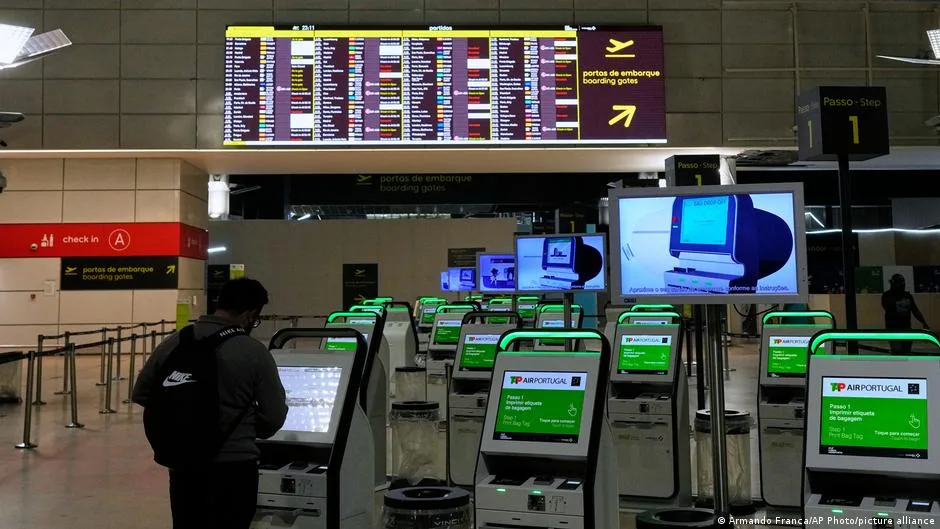
Portugal faced its second general strike in six months on June 3, disrupting long-distance and regional trains, metro services in Lisbon, flight schedules, schools, and hospitals nationwide [1, 2, 3]. The strike was called by CGTP, the country’s largest union, to protest government plans to reform labor laws that seek to deregulate working hours, ease dismissal rules, limit strike rights, and reduce parental protections [1, 2, 3].
State railway CP suspended most long-distance and regional train services, while Lisbon’s metro system was closed. Airlines reported heavy disruptions: TAP operated just 79 of over 300 daily flights, Iberia expected to cut flights by 50 to 75 percent, and other carriers cancelled about 45 percent of flights [1, 2, 3]. Schools across Portugal were closed or partially closed, impacting between 38 and 45 percent of institutions nationwide [1, 2, 3]. Hospitals postponed most surgeries and appointments, maintaining only legally mandated emergency services due to nurse walkouts [1, 2, 3].
Thousands of protesters marched through Lisbon, including teachers and bank employees concerned about longer hours, lower pay, and precarious contracts [1, 2]. CGTP Secretary-General Tiago Oliveira said the reforms would worsen workers’ conditions by allowing 50-hour work weeks without extra pay instead of the current 40 [1]. He added the government’s plan would increase job insecurity and deregulate work hours, while simplifying dismissals and expanding minimum service obligations during strikes [3].
The labor reform bill contains over 100 amendments, including easing restrictions on dismissals and cutting protections for parenting workers [2, 3]. The minority center-right government expects to pass the package with support from the far-right Chega party [1, 3]. Labor Minister Maria do Rosario Palma Ramalho said most workers continued working and participation from the private sector in the strike was very low [3].
Wednesday’s strike was the third general strike in Portugal since 2013, and the second in six months, with the previous held last December over related issues [1, 2]. The government says the reforms aim to increase labor market flexibility, boost productivity, and spur economic growth [1, 2, 3].