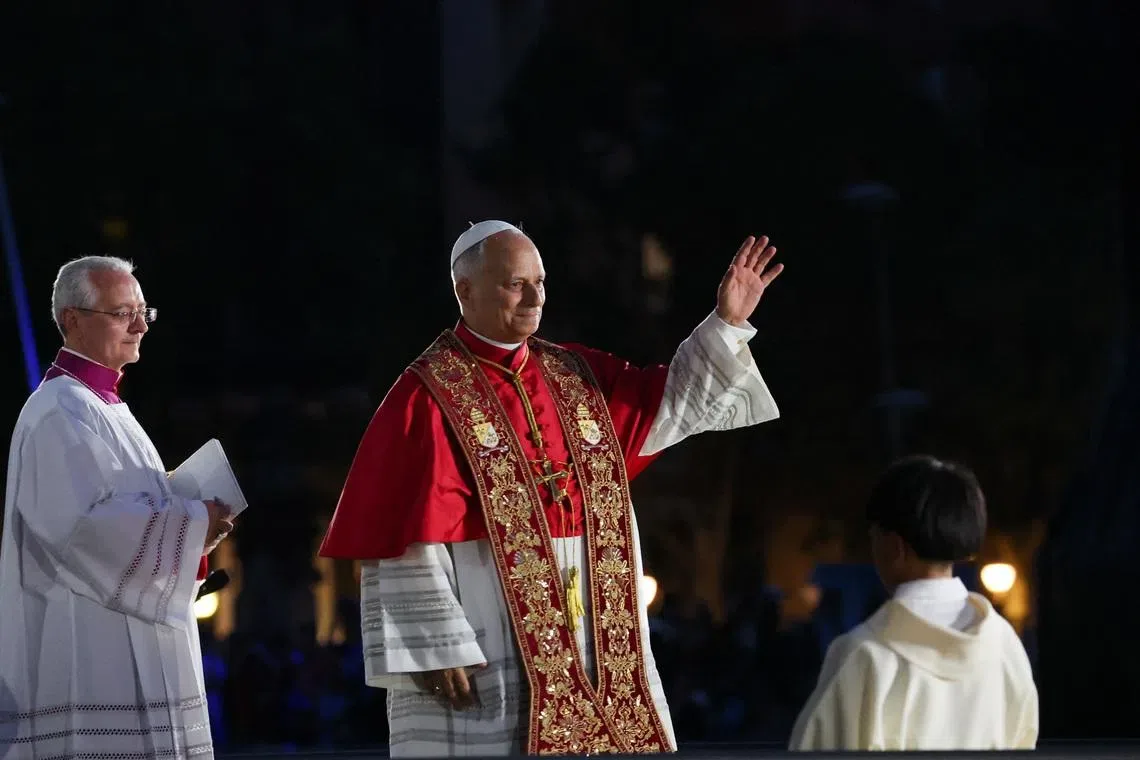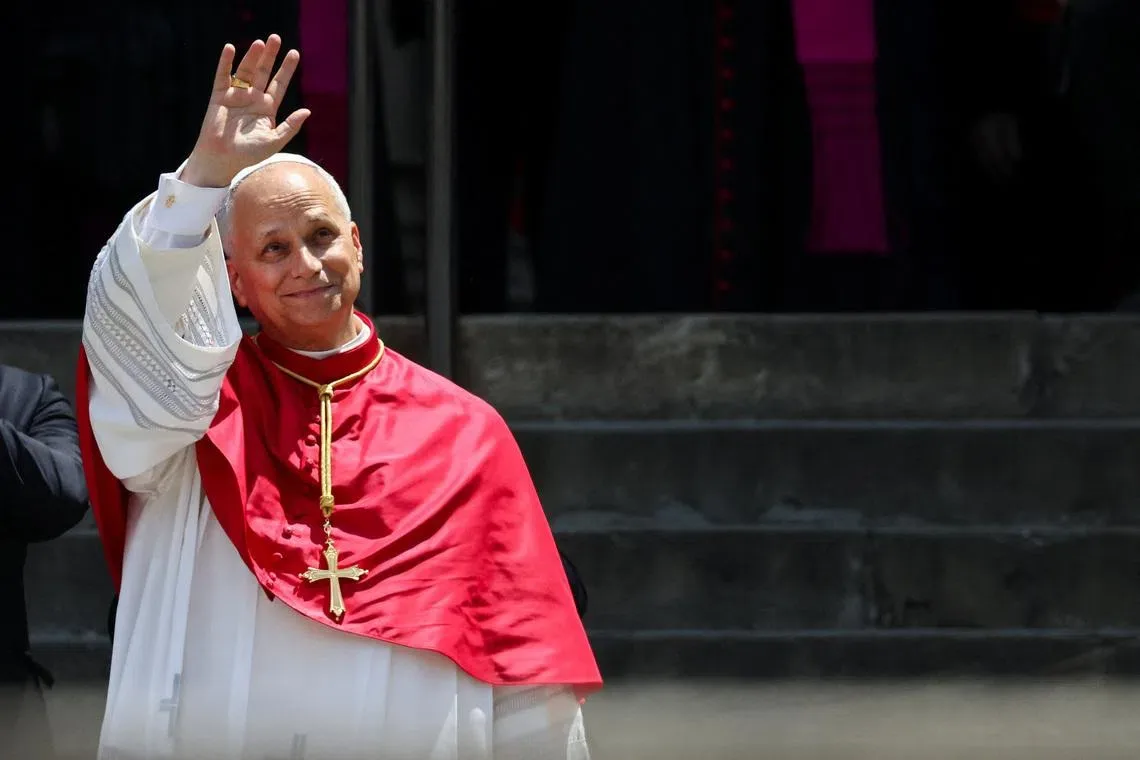
Pope Leo began his visit to Spain's Canary Islands on June 11, 2026, focusing on the dangerous journeys and harsh conditions faced by migrants arriving primarily from Africa [1, 2, 3, 4, 5, 6]. He landed on Gran Canaria and visited the Port of Arguineguin, a site known as the "Dock of Shame" for poor migrant conditions in 2020, where he cast flowers into the sea to remember those who died trying to reach Europe [1, 3, 4, 5, 7, 6].
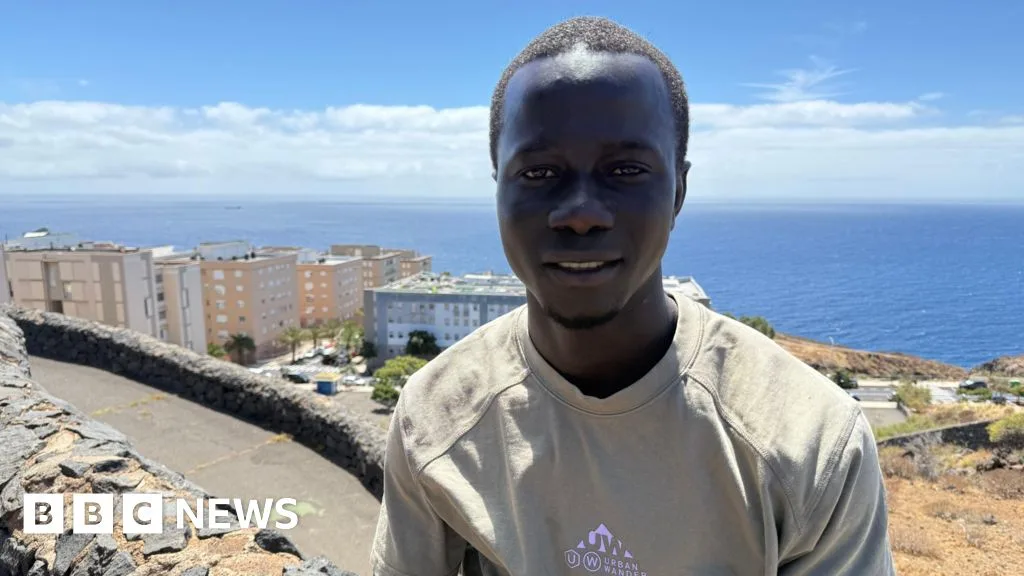
The Canary Islands experienced a record 46,843 irregular migrant arrivals in 2024, sharply rising from fewer than 1,000 in 2015, with more than 3,000 deaths reported in 2025 attempts to reach the islands [2, 3, 8, 4, 9, 6]. Despite a 60% drop in arrivals to 17,788 in 2025 after tightened controls with countries like Mauritania, the route remains extremely deadly due to long ocean crossings from West African countries such as Gambia and Guinea-Bissau [1, 2, 8, 9].
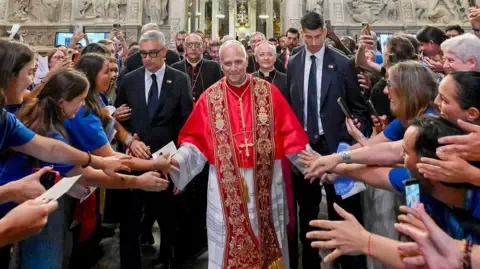
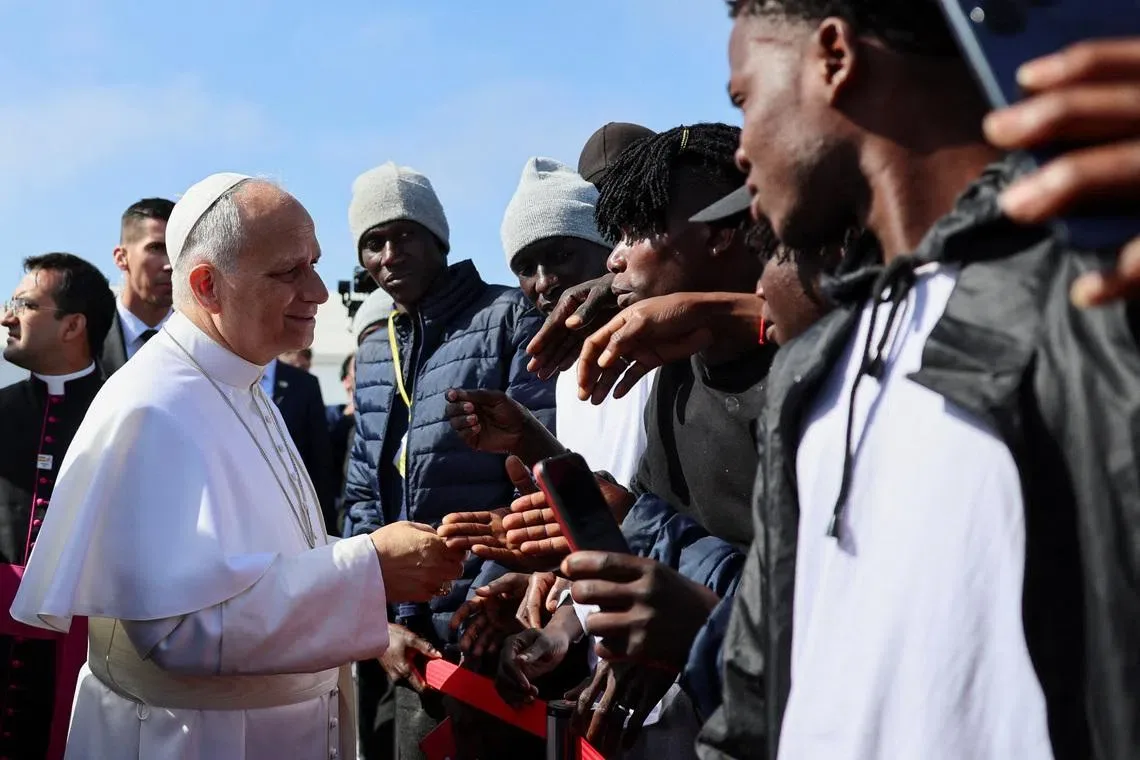
On June 12, Pope Leo met with about 1,000 migrants at a center in Tenerife, where he praised their dignity and warned human traffickers to repent or face divine justice: "Stop. Repent. For every life lost, every family deceived... you will have to appear before divine justice" [2, 8, 4, 9, 10, 6]. He emphasized that migrants are "not just numbers or files," but people with dreams and families left behind [6]. The pope condemned indifference and exploitation, saying "the tears and blood of migrants who were exploited trying to reach Europe cry out to God" [8].
He called for "safe and legal pathways" for migrants and urged respect for their dignity, stating, "Human dignity has no passport and does not lose its value when crossing a border" [1, 3, 4, 6]. Pope Leo also described migration as "an opportunity for encounter and for mutual enrichment between peoples" [10].
Church volunteers and humanitarian groups on the islands provide aid, legal support, language classes, and accommodation to young migrants [1, 10]. Jose Mazuelos, bishop of the Canary Islands, said the pope's visit could transform the "port of shame" into a "port of hope" [2].
Pope Leo criticized global and European leaders for failing migrants, calling it a challenge to the "ethical foundation of the international order" [2, 3, 8, 4, 9, 6]. His visit, running June 8-12, culminated with public speeches, meetings, and tributes on June 11 and 12 focused on migrant issues in the Canary Islands [1, 2, 3, 8, 4, 5, 9, 10, 6].