The Pentagon confirmed on May 1 that it will cut 5,000 US troops stationed in Germany from the current force of more than 36,000 active duty personnel [1]. Pentagon spokesperson Sean Parnell said, "The move followed a thorough review and recognised theater requirements and conditions on the ground" [1]. President Donald Trump indicated on May 2 that further cuts in Germany could occur but gave no additional details [1].
The decision sparked bipartisan criticism in Washington. Senior Republican lawmakers Roger Wicker and Mike Rogers called the reduction premature, warning it risks weakening deterrence against Russia. They said, "Prematurely reducing America's forward presence in Europe before those capabilities are fully realised risks undermining deterrence and sending the wrong signal to Vladimir Putin" and argued the troops should be repositioned further east rather than withdrawn [1].
Democrat Adam Smith denounced the move as lacking a coherent national security strategy. He said, "The decision was not grounded in any coherent US national security policy, strategy, or even analysis but based on the hurt feelings of a president who is seeking political vengeance" [1].
Republican Clay Higgins, however, applauded the administration’s actions, sarcastically blaming Senate inaction and Europe’s defense efforts. He tweeted, "Pulling 5K American troops from the arrogant Germans. Maybe we should send them the Senate. Better match, and western Europe would be so well protected by the League of the Royal Filibuster" [1].
NATO officials have sought clarification from Washington on the troop withdrawal [1]. German Defense Minister Boris Pistorius stressed that the presence of US soldiers in Germany serves both German and American interests [1].
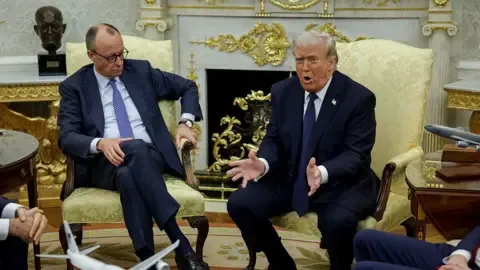
The troop cut followed recent tensions, including President Trump’s criticism of German Chancellor Friedrich Merz over comments about US interactions with Iranian negotiators [1]. The Pentagon said the decision was based on operational considerations rather than political factors [1].
The next developments will focus on whether Washington pursues additional troop reductions in Europe and the response from NATO allies to the changing US military footprint on the continent [1].