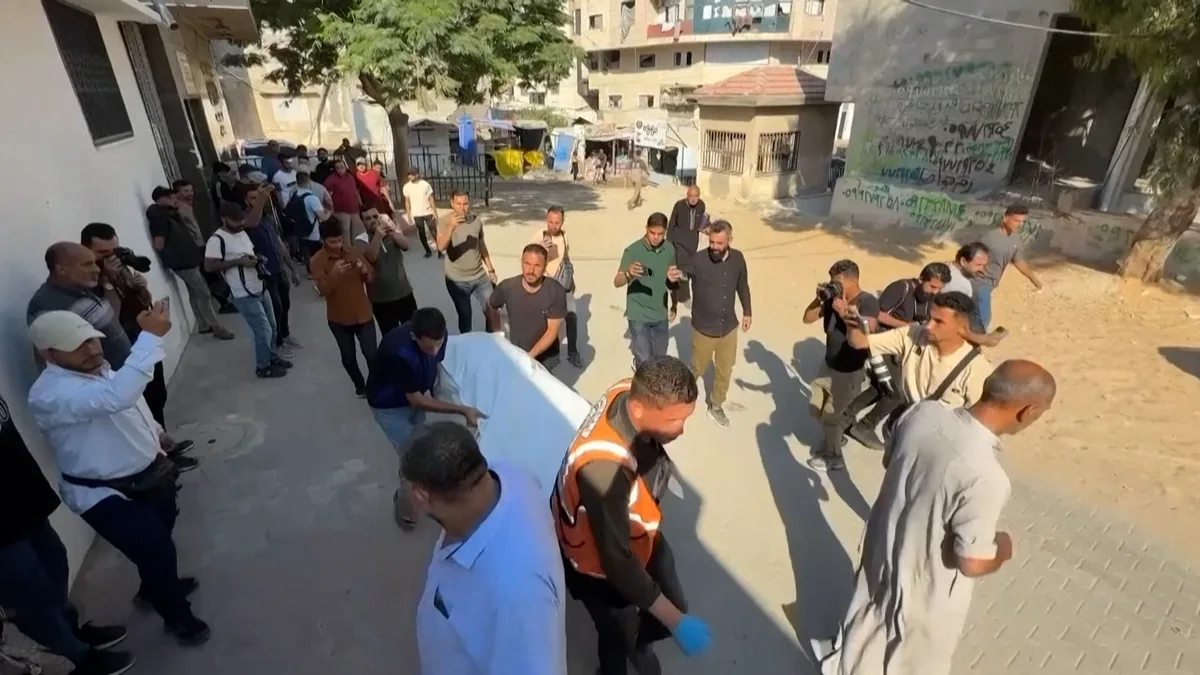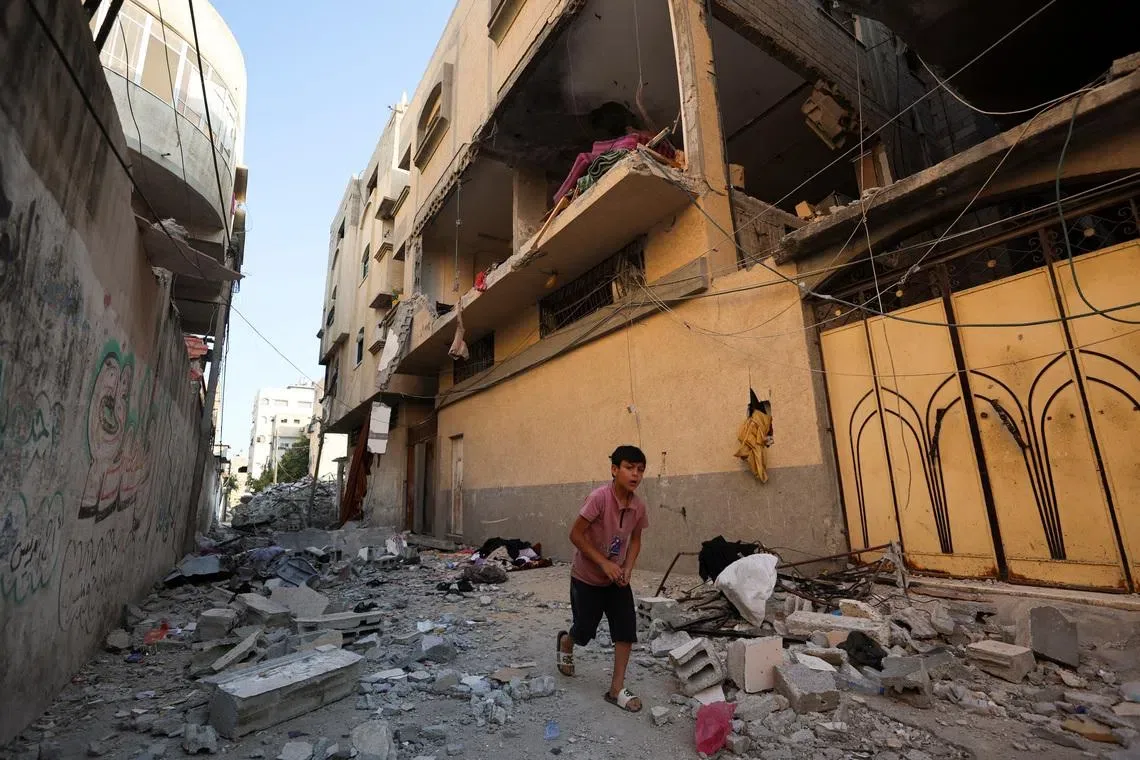
More than 1,000 Palestinians have died in Gaza from Israeli fire since the ceasefire took effect in October 2025, according to multiple sources including the Palestinian Health Ministry and international monitors [1, 2, 3, 4, 5]. The death toll ranges between 1,005 and over 1,010 Palestinians, with discrepancies among reports reflecting the tense and fluid situation on the ground [s1,s6,s10; s2,s9,s12].
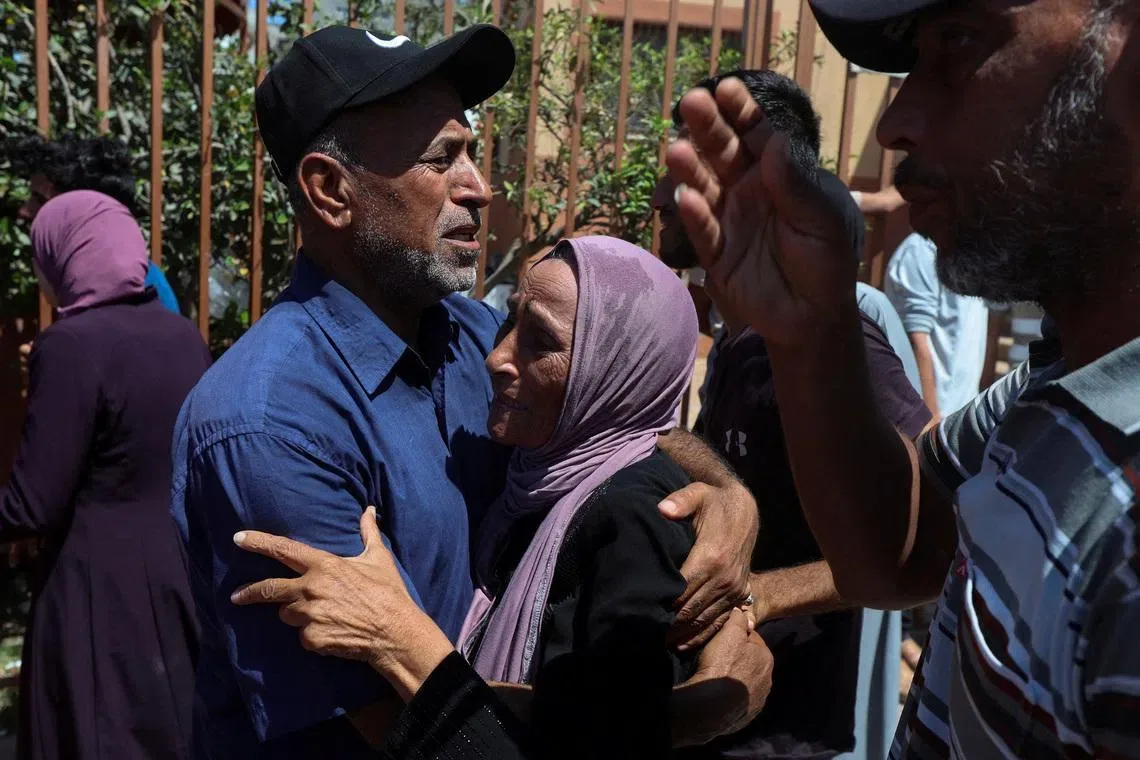
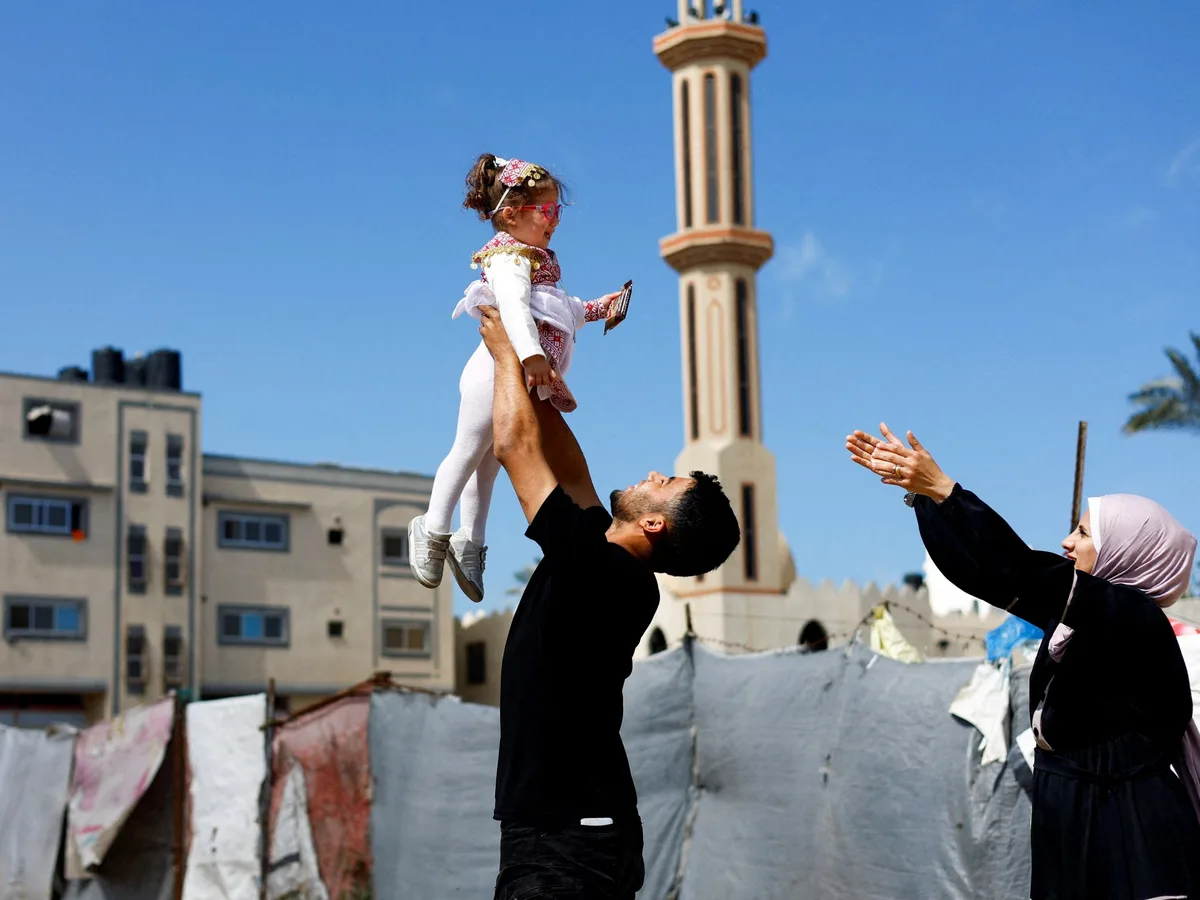
At least 265 Palestinian children have been killed since the ceasefire, UNICEF said, averaging one child death per day for more than eight months. UNICEF spokesperson James Elder called the truce a "deadly illusion" as families continue to bury their children amid ongoing violence [6, 7]. More than 400 children have also sustained injuries, many with critical wounds requiring urgent evacuation [6, 7].
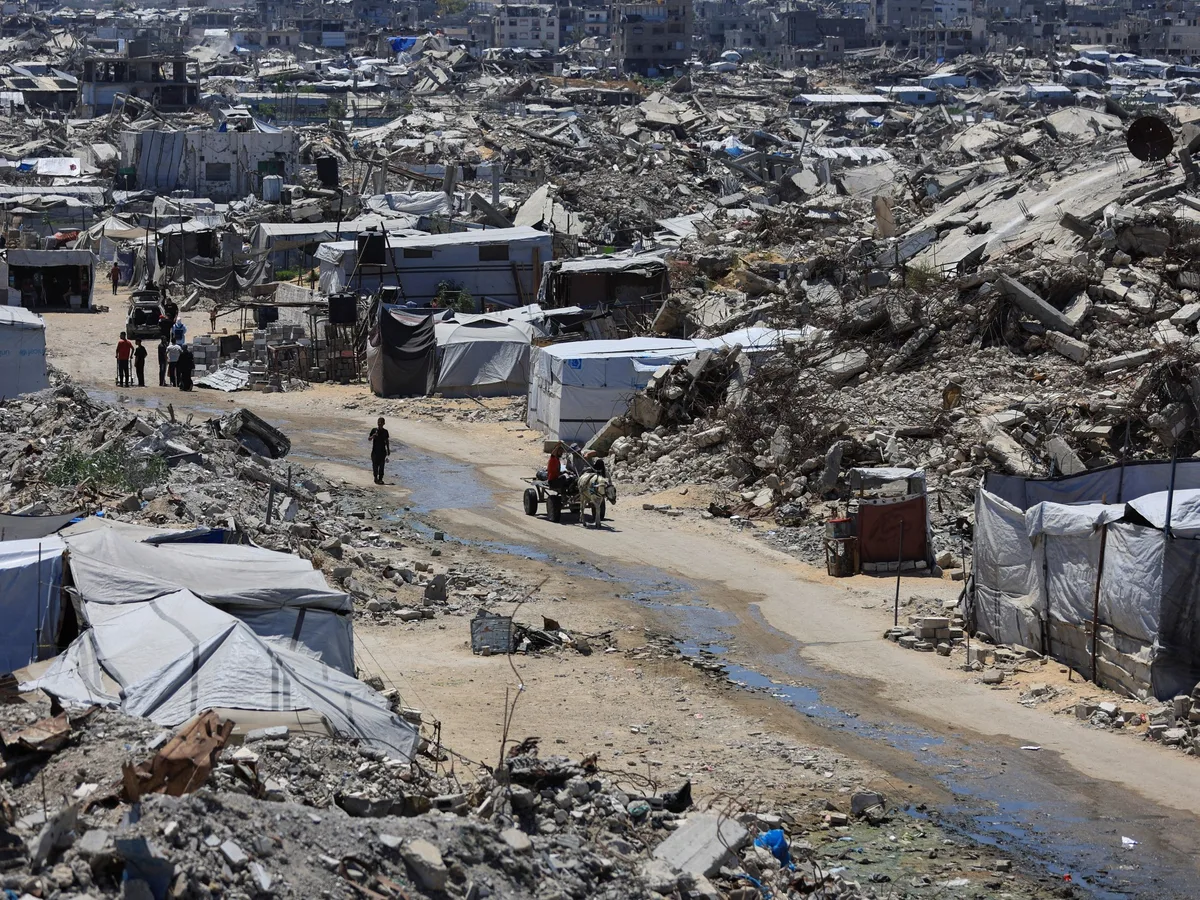
Israeli forces maintain control over about 64% of Gaza territory after expanding their presence since the ceasefire. Israeli military officials say their strikes target imminent attacks by Hamas and armed militants, while Palestinian groups have launched attacks that killed at least four Israeli soldiers since October 2025 [1, 2, 3, 8].
The Gaza health system remains devastated, with only 20 of 37 hospitals functioning partially. None of the hospitals are fully operational, forcing severely limited medical care for the roughly 2 million residents of Gaza [3].
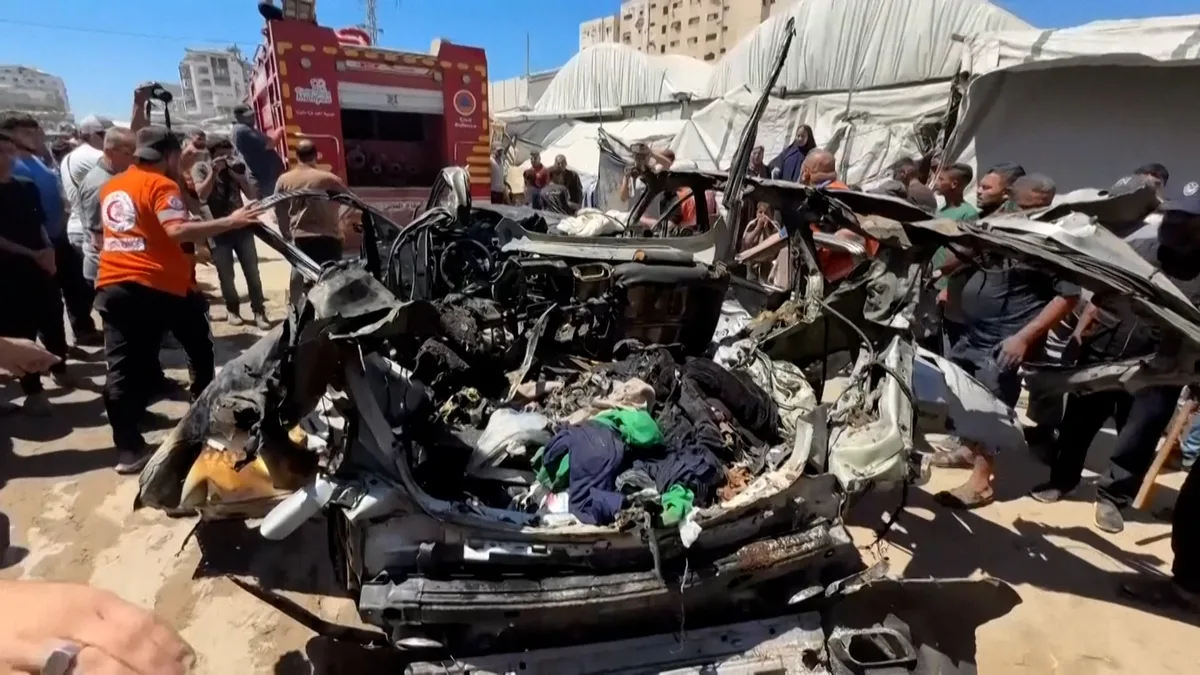
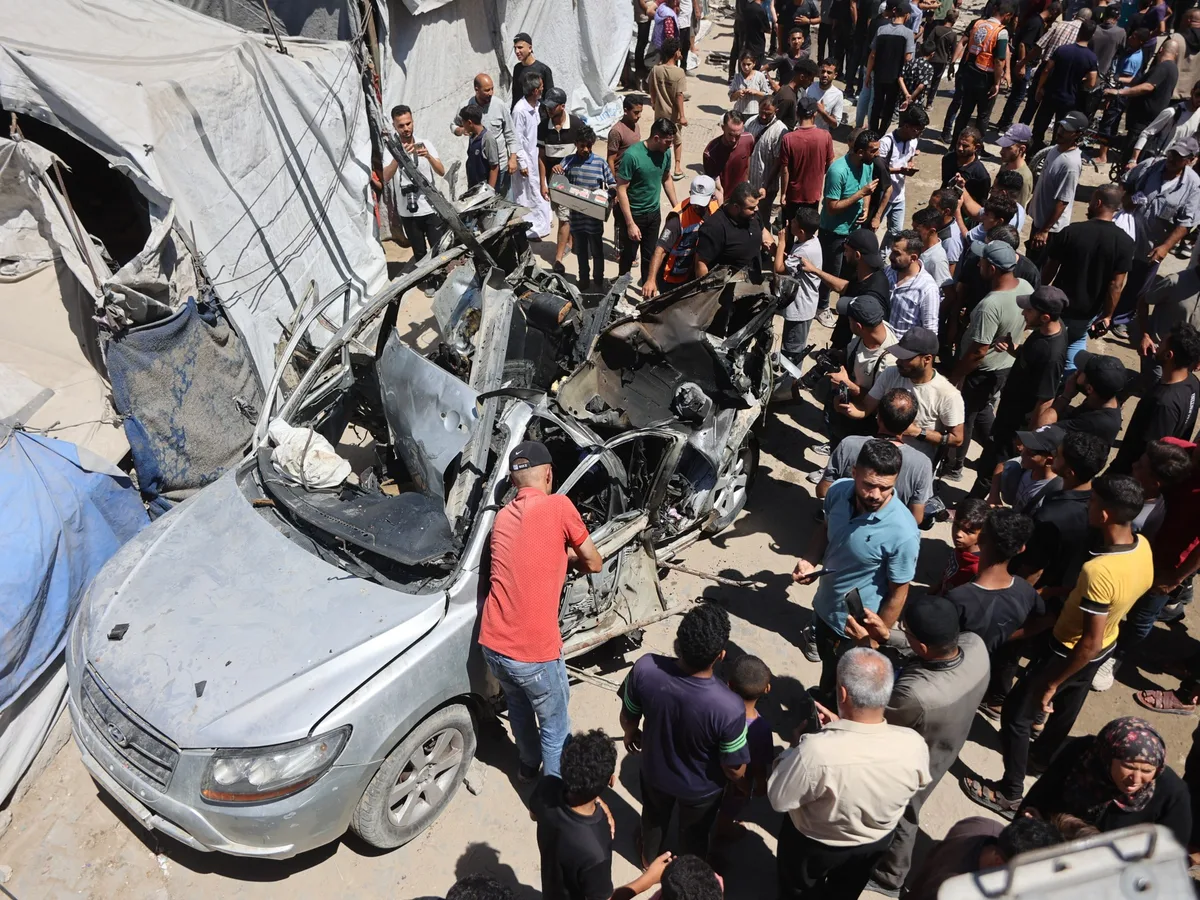
The recent days saw fresh violence as well. On June 18, an Israeli airstrike killed three Palestinians after hitting a vehicle in Gaza City. Among the dead was Abdul Jawad Abu Lebn, who had wedding invitations in the car and was due to be married next week, reporter Hind Khoudary said [1, 9, 4]. On June 20, Israeli strikes and gunfire killed at least five Palestinians, including two children, in Gaza City and Beit Lahiya as tensions remained high [2, 10, 8, 11].
While the 2025 ceasefire halted large-scale fighting, Israeli attacks and restrictions have caused ongoing civilian casualties and worsened Gaza’s humanitarian crisis, according to aid groups and officials [1, 3, 4, 6, 8]. The conflict’s toll weighs heavily on local families and services.
The next monitoring report on casualties and conditions in Gaza is expected soon, as conflict conditions persist without a reduction in violence or improvements in medical access.