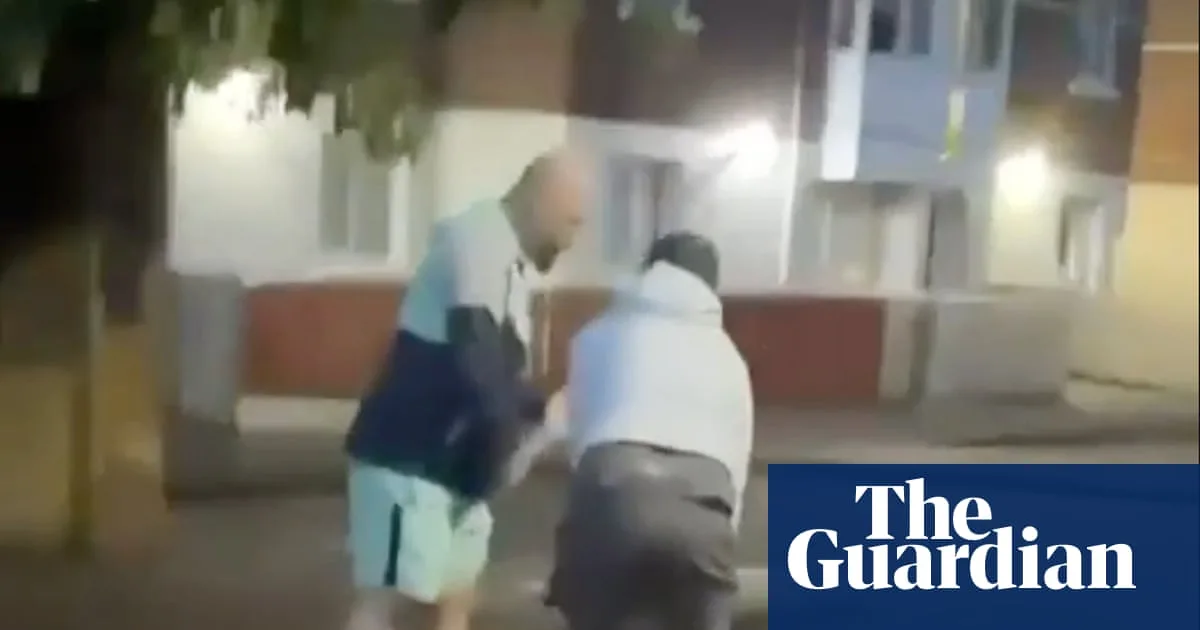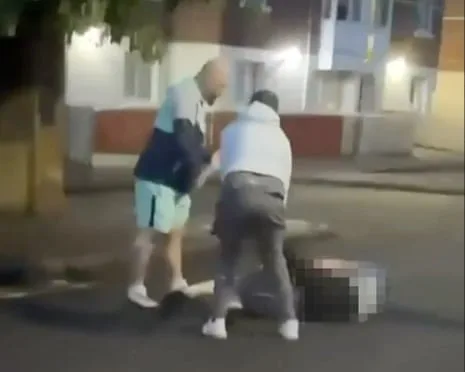
A knife attack occurred on Monday, June 8, 2026, around 10:30 pm outside a block of flats in north Belfast. The victim, Stephen Ogilvie, a man in his 40s, suffered serious injuries including loss of his left eye and slash wounds to his face and back. The alleged perpetrator, Hadi Alodid, a Sudanese man in his 30s and asylum seeker, was charged with attempted murder and arrested at the scene [1, 2, 3].
Video footage of the attack was widely shared on social media platforms, including X (formerly Twitter), gaining significant attention starting June 9 [1, 3]. Far-right figures such as Stephen Yaxley-Lennon (Tommy Robinson) also shared and amplified the content that day [1, 3].
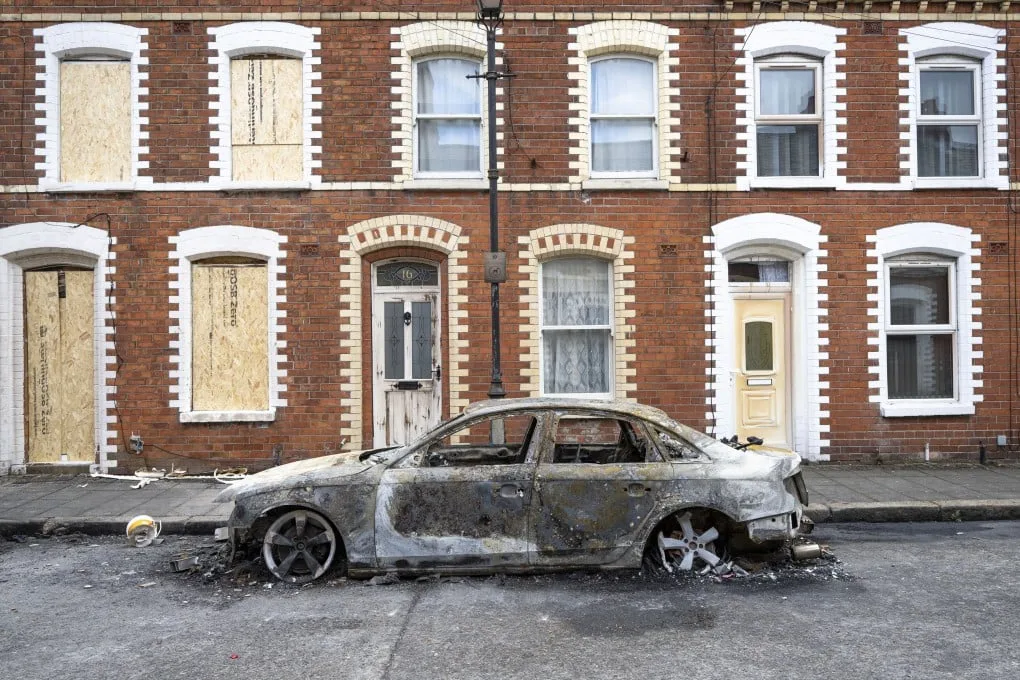
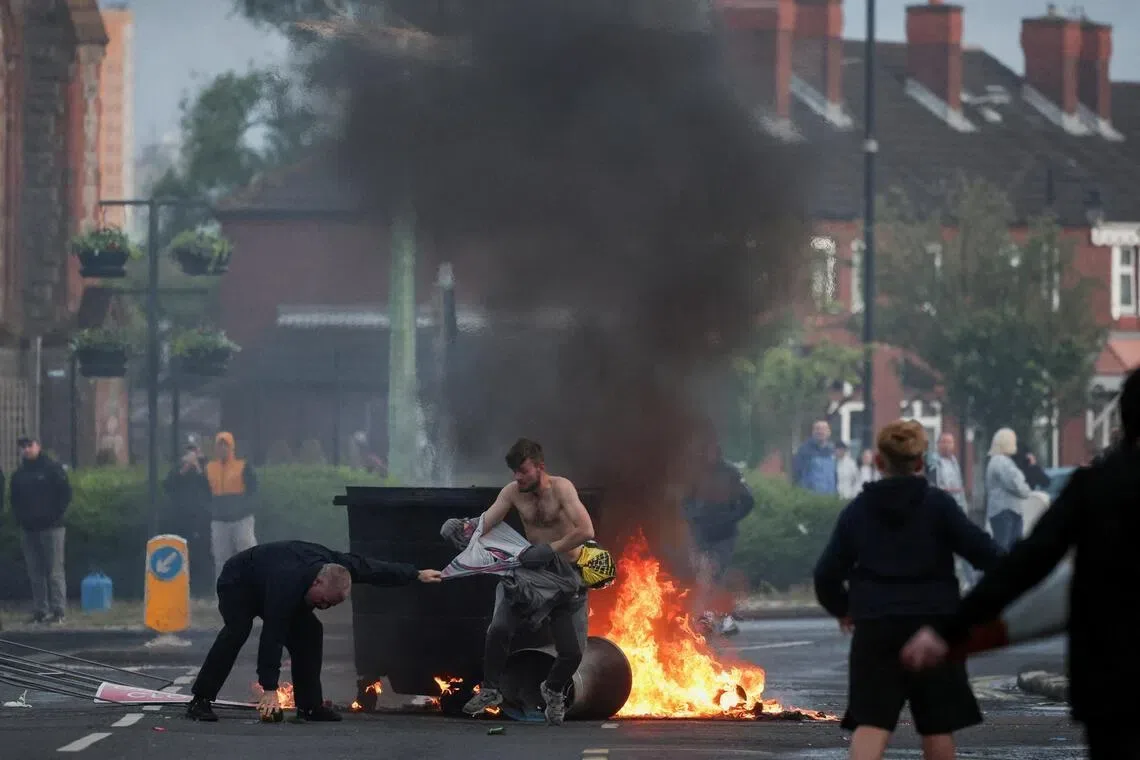
Following the incident, violent anti-immigration protests and riots erupted in Belfast between June 9 and 10. Rioters targeted immigrant communities, and vehicles and homes were set on fire. The rioting caused serious disruption and damage across the city [2, 4, 3, 5]. The white supremacist group Active Club helped organize some of the violent actors in these events [3].
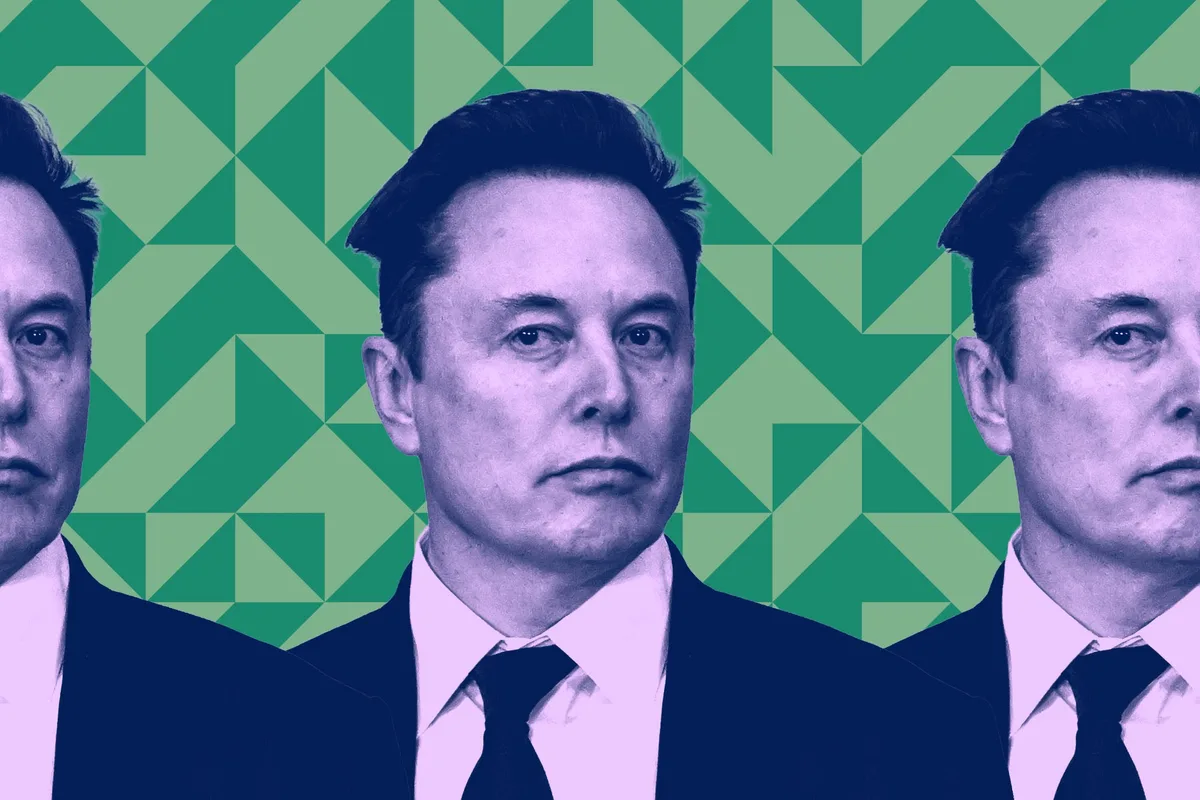
Elon Musk, owner of X and its most followed user with 240 million followers, amplified and shared anti-immigration posts related to Belfast. He posted a list of protest locations and wrote, "Only by protesting REPEATEDLY and LOUDLY will there be any change." His posts accounted for about 55% of over 115 million views of Belfast-related content, according to research by the Center for Countering Digital Hate released June 12 [6, 4, 7].
The online amplification fueled thousands of violent calls in comments, with over 3,900 advocating lynchings and crimes against immigrants [6, 7]. Imran Ahmed of the Center for Countering Digital Hate said, "Musk’s amplification has been instrumental. As the owner of X and its most followed user, Musk has unparalleled power to shape what people see online. With that power comes responsibility..." [6]
UK politicians condemned both the violence and social media’s role in fanning hatred. Liberal Democrat leader Ed Davey told the House of Commons on June 10, "Too many times we see the same pattern, an appalling crime that makes us all feel immense pain and anger, and then extremists who exploit that grief and anger to spread hatred and violence, aided and abetted by social media barons like Elon Musk and their divisive algorithms." Prime Minister Keir Starmer said, "We will crack down on anyone who is fueling this division... Nobody who's a politician should be whipping up division and hatred." [1, 5]
Church leader Ameer Ibrahim urged calm amid the unrest, saying, "We are telling our congregation to go home, don’t go out, look after your children, don’t share rumours and do listen to the authorities." [1]
The facts about the suspect’s nationality initially differed. Police early statements suggested he was Somali, but later sources confirmed he is Sudanese and named Hadi Alodid [1, 6, 2, 3].
The Center for Countering Digital Hate’s report on June 12 highlights the scale of violent calls linked to Musk’s posts. Authorities face pressure to act on extremist content on social media following the unrest.