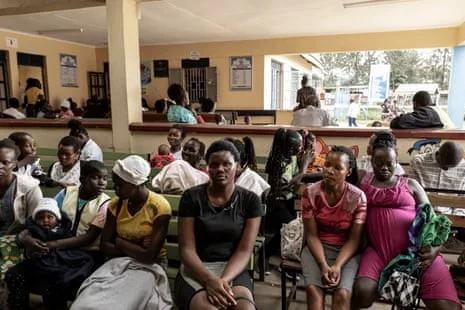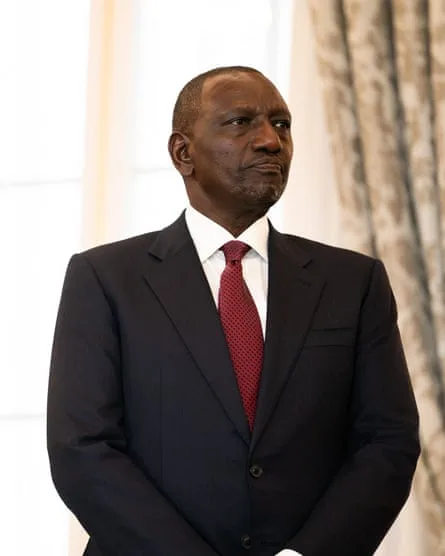
Kenya’s AI-powered health contribution system, launched in October 2024, is overcharging the poorest residents and undercharging wealthier ones, according to investigations into the means-tested model [1]. The system replaced the national health insurance scheme and was designed to calculate healthcare contributions from predicted income [1].
President William Ruto had sold the plan as a way to extend affordable healthcare to informal workers, who make up 83% of Kenya’s workforce [1]. The AI at the centre of the program is a predictive machine learning algorithm, not a recent large language model such as ChatGPT [1].
Investigations found the algorithm tends to overestimate incomes of poorer people, pushing their fees higher than it should [1]. It also underestimates incomes of wealthier residents, which leaves them paying less than expected [1]. Residents must fill in intrusive questionnaires about household assets and living conditions, and that data feeds the income predictions used to set charges [1].
The fee structure has triggered protests and anger among the poorest communities, who say the new charges are unfair [1]. The complaints have put fresh pressure on a flagship policy tied to Ruto’s 2023 campaign pledge to expand affordable healthcare access [1].