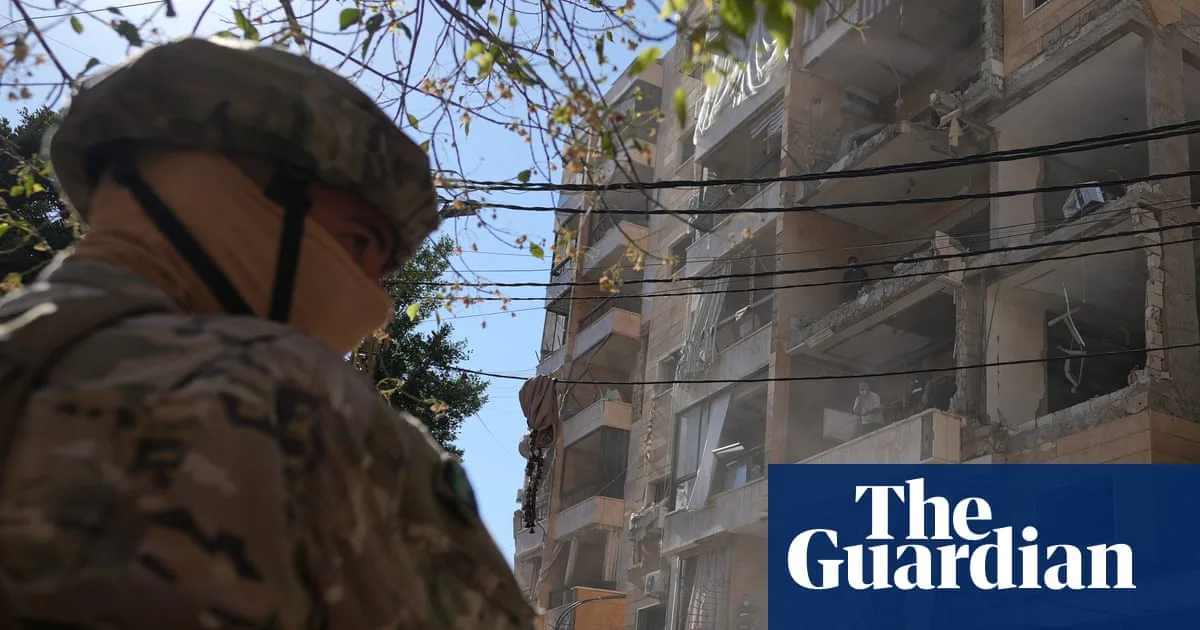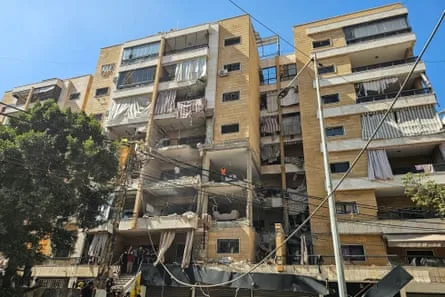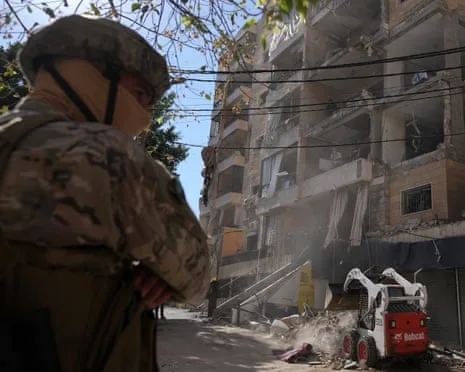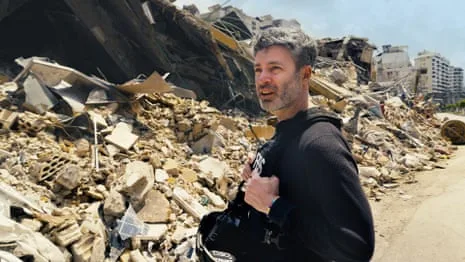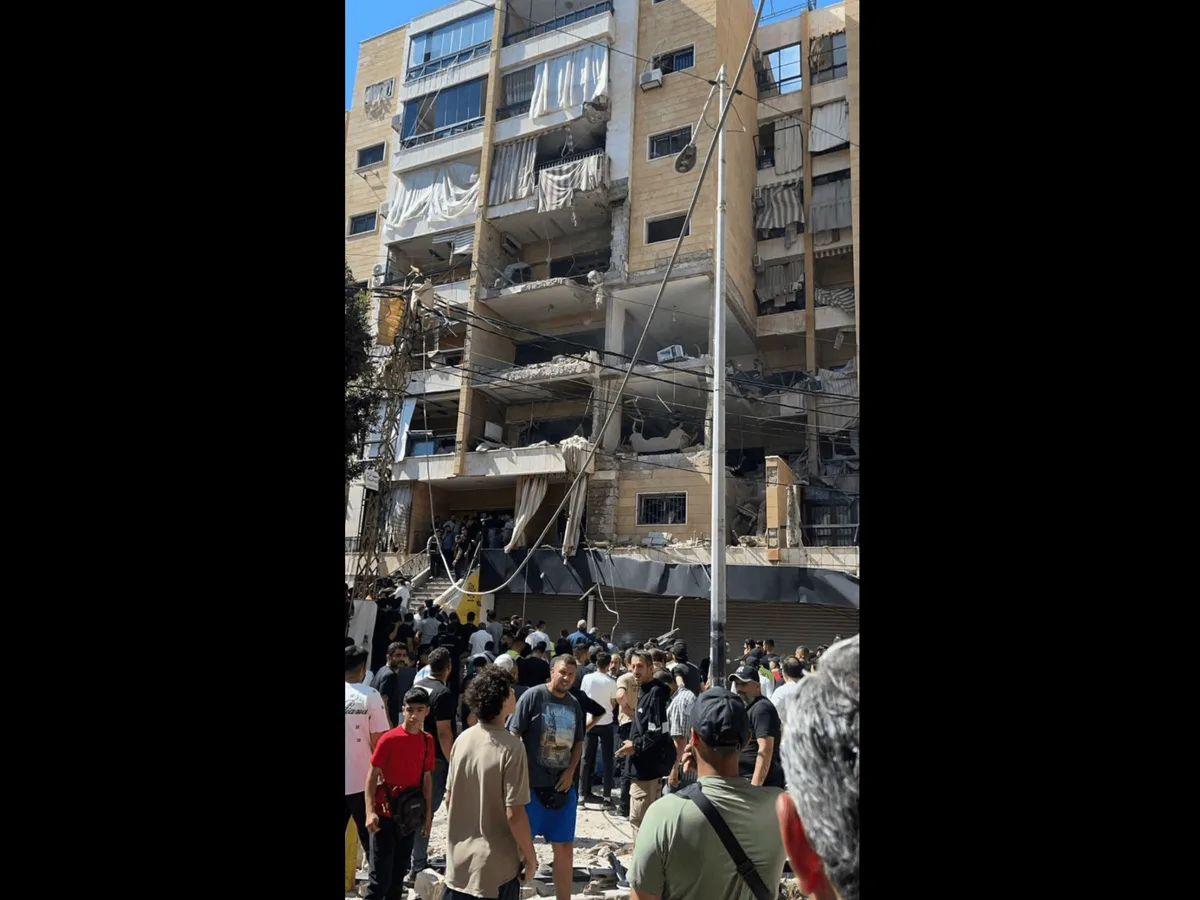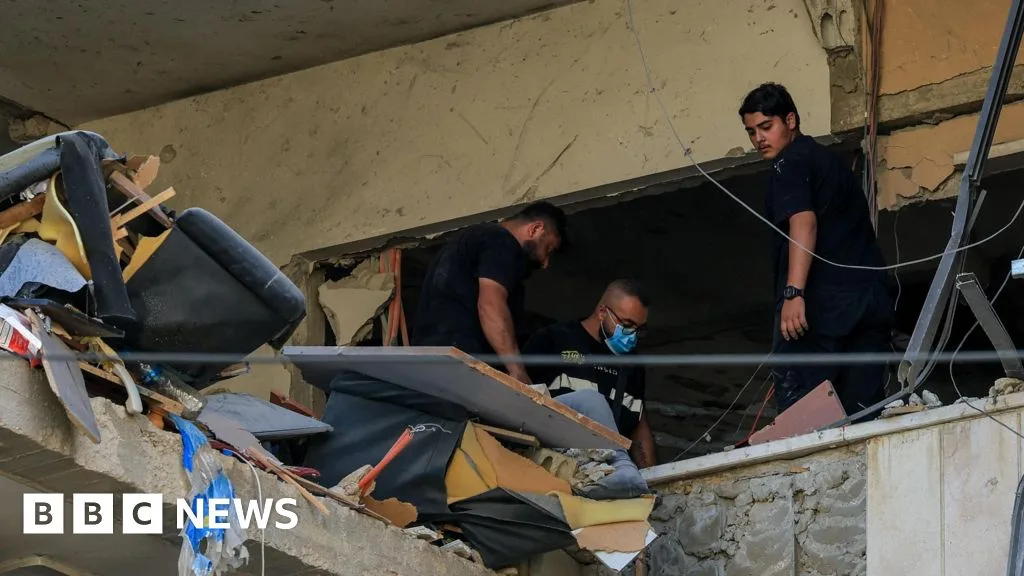
Israel conducted airstrikes on the southern suburbs of Beirut, targeting Hezbollah infrastructure in the Dahieh district on June 7, 2026 [1, 2, 3, 4, 5, 6]. Two apartment buildings were hit, killing at least two people and injuring between 11 and 17 others, according to multiple sources [1, 2, 3, 7, 8]. Israeli Prime Minister Benjamin Netanyahu said, "We have struck terrorist headquarters in the Dahieh district of Beirut, in response to Hezbollah's firing at Israeli territory" [1].
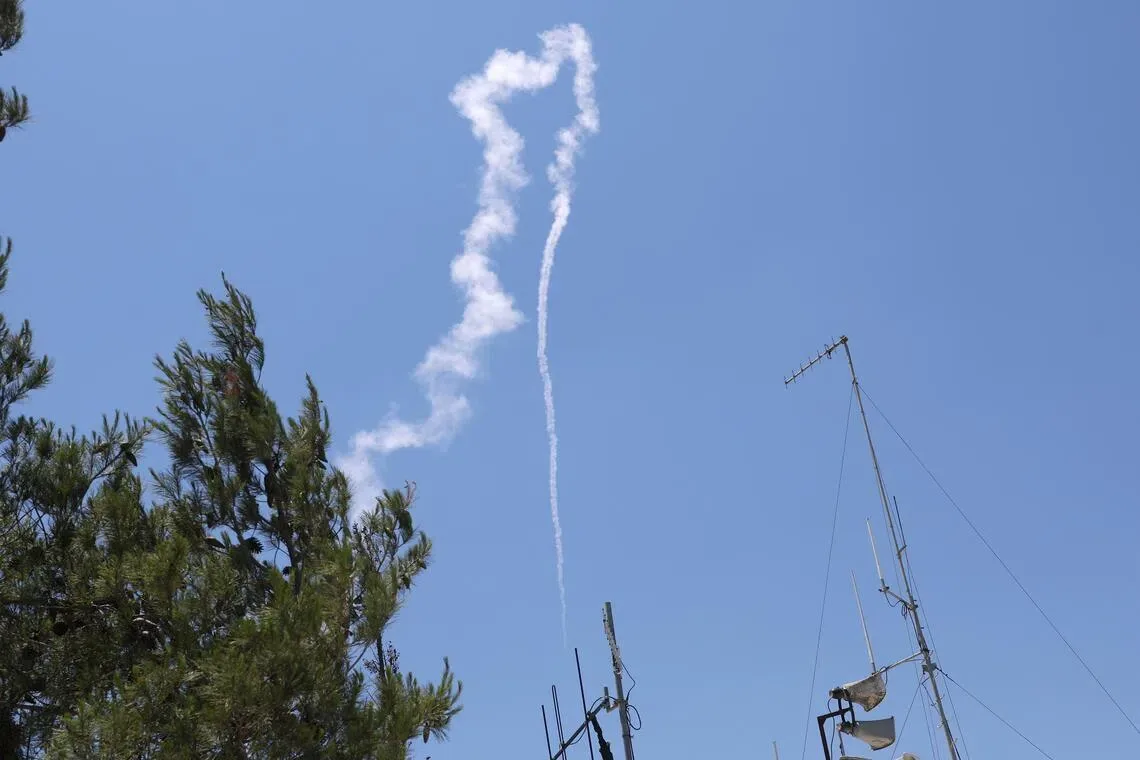
The airstrikes marked the first direct Israeli attacks on Beirut since a ceasefire took effect on April 17, 2026, though violations had continued between both sides [1, 2, 3, 6, 8]. Israel justified the attacks as retaliation for rocket fire launched from Lebanon into northern Israel the same day, which Israeli forces intercepted [1, 2, 3, 6]. However, Hezbollah has not claimed responsibility for the June 7 rocket fire [1, 2, 3].
Following the airstrikes, Israeli authorities issued evacuation orders for Tyre and its surrounding areas [2, 3]. Later on June 7, Iran responded with missile strikes targeting northern Israel, in reaction to the Israeli attack on Beirut [9]. Iranian officials condemned the Israeli strikes, warning of further military action against US and Israeli targets in the region. Iranian parliament speaker Mohammad Bagher Qalibaf said, "US and Israeli bases and assets in the region [are] legitimate targets" after what he called the US green light for Israeli actions [7]. Iranian lawmaker Ebrahim Rezaei vowed a "decisive and painful response," calling Israeli forces "rabid dogs" that must be disciplined [8].
The current Lebanon-Israel conflict began on March 2, 2026, after Hezbollah fired rockets into Israel and Israel responded militarily [1, 2, 6, 8]. Since then, more than 3,600 people have died in Lebanon and over 10,800 have been wounded [1, 2, 6, 8]. The ceasefire agreement reached in mid-April 2026 has been repeatedly violated by both Israel and Hezbollah [1, 2, 3, 5, 6, 9].
US President Donald Trump stated the US is not demanding Lebanon be included in peace talks with Iran and said there would be no US troops sent to Beirut, adding, "We're very close to a deal, or I'm going to blow the hell out of them [Iran]" [1, 2].
The situation remains volatile following the airstrikes and missile exchanges on June 7. Evacuation orders around southern Lebanon have been enacted as tensions escalate.