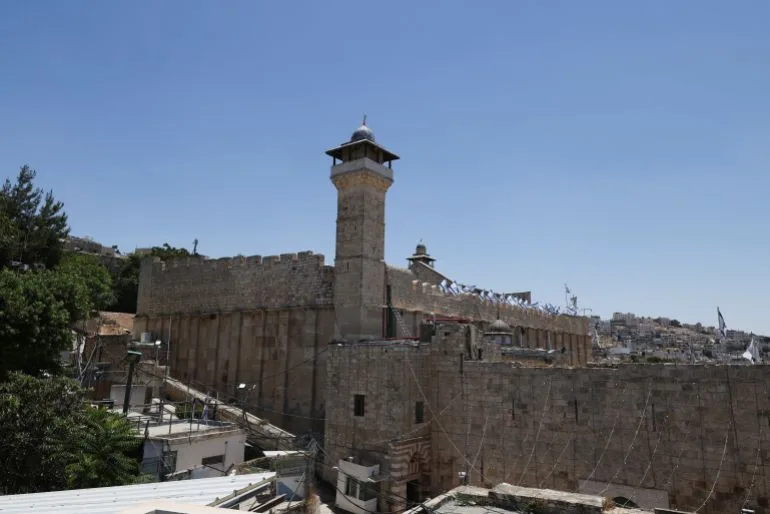
Israel approved the construction of a 1,000 square meter Jewish religious school for settlers in the center of Hebron on June 17, deepening the Israeli presence in the occupied West Bank city [1, 2]. The approval came alongside Israeli authorization of 576 new housing units in West Bank settlements, including areas Israel refers to as Judea and Samaria [2].
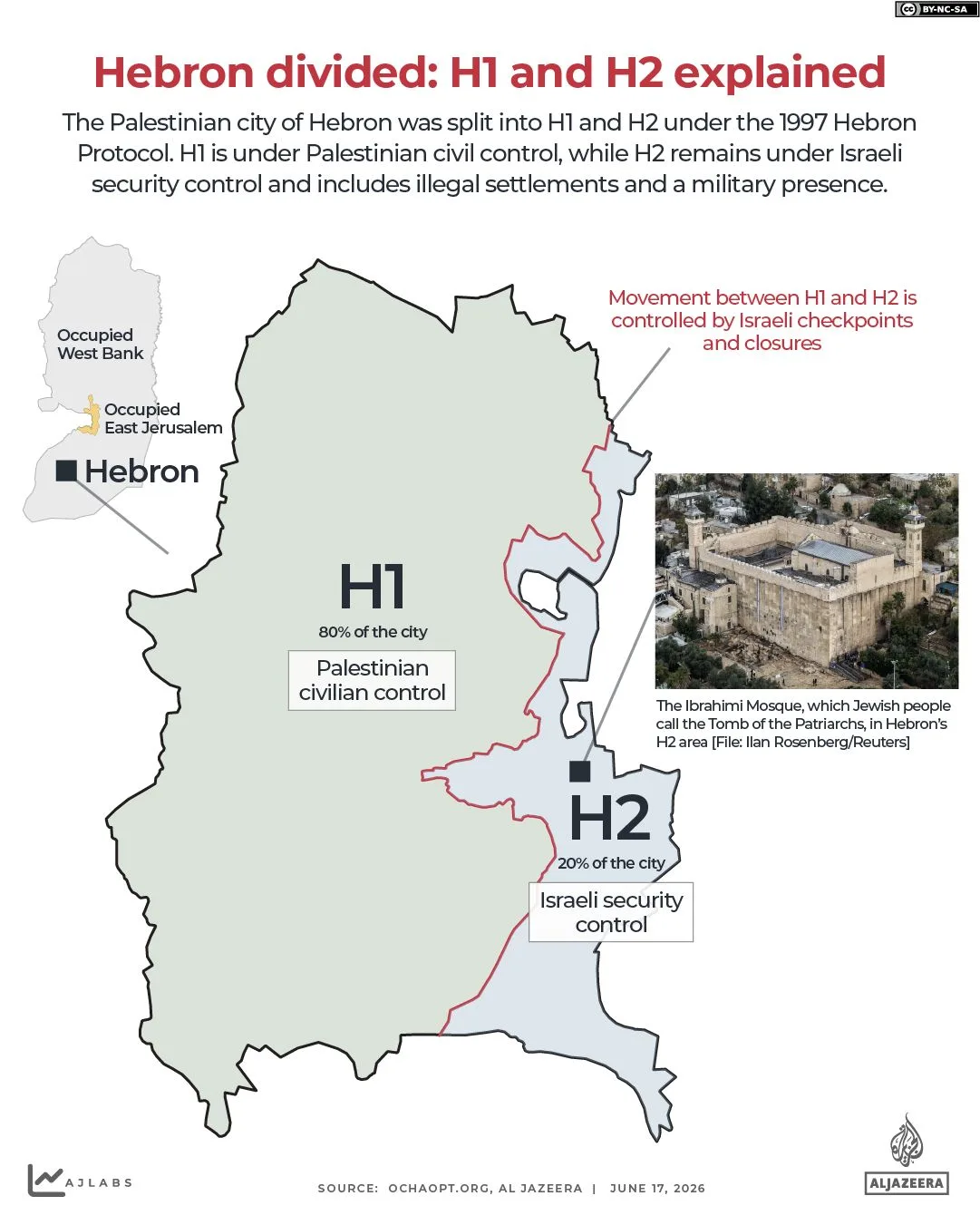
The construction plans were announced by Finance Minister Bezalel Smotrich, who also declared the transfer of planning and construction authority from the Palestinian Hebron municipality to Israeli authorities. This move effectively negates parts of the 1997 Hebron Agreement that had granted the Palestinian municipality control over urban planning in Hebron's historic core, including the area around the Cave of the Patriarchs/Ibrahimi Mosque [1, 3, 2]. Smotrich said, "We are continuing to build the Land of Israel in practice and to implement practical sovereignty in the settlements" [1].
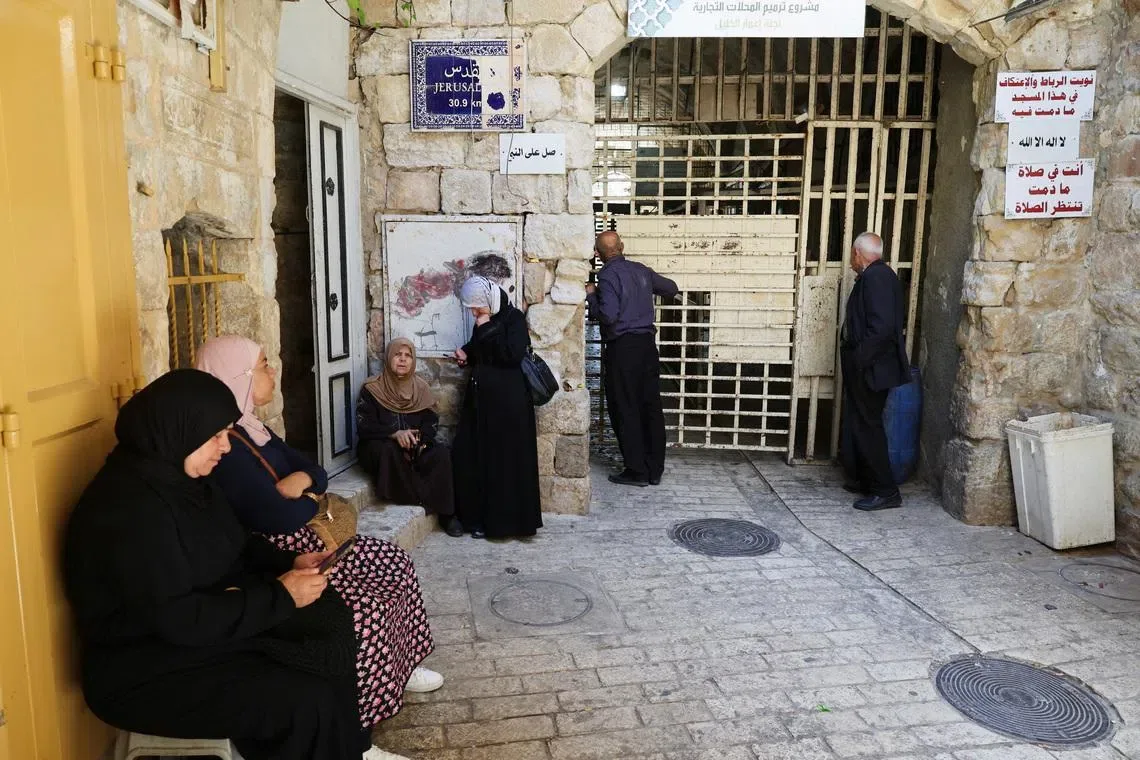
The Jewish settler enclave surrounding the Cave of the Patriarchs houses more than 1,000 settlers living amid tens of thousands of Palestinians under full Israeli security control [1]. The handover of planning powers extends Israeli control deeper into the heart of Hebron’s Palestinian population.
Palestinian Hebron Mayor Youssef al-Jabari condemned the removal of municipal planning authority and called for international pressure to maintain the existing arrangements. He said, "The municipality cannot be bypassed or ignored under any circumstances" [2]. Palestinian activist Issa Amro described Israel’s actions as "ethnic cleansing of Palestinian families from their homes, and more displacement" [1].
Observers warn the shift in control is dangerous given Hebron’s volatile history and could intensify Israel’s occupation in the city. Chris Doyle, director of the Council for Arab-British Understanding, said, "Any moves to change the existing arrangements in Hebron in favour of intensifying the Israeli occupation are extremely dangerous" [3].
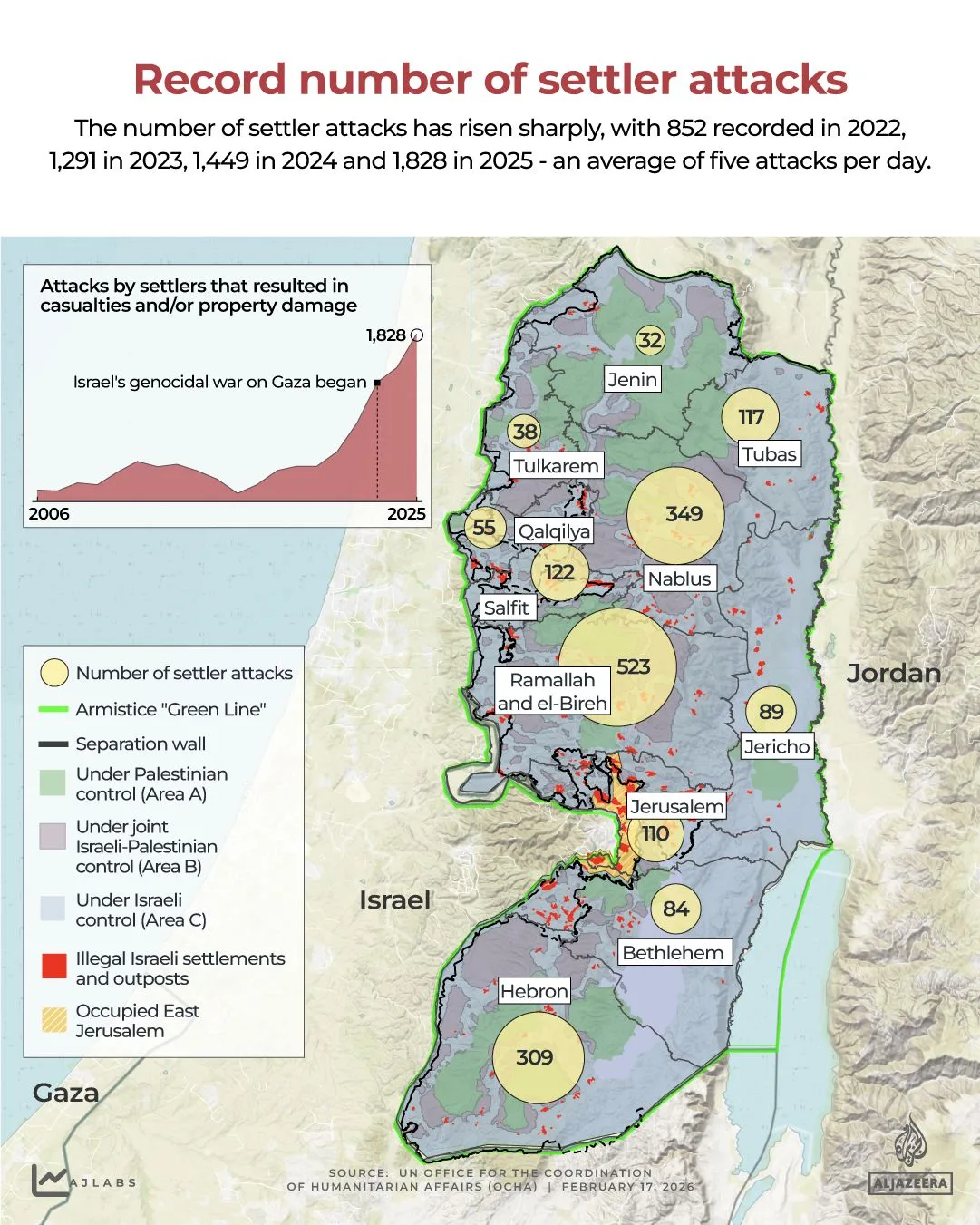
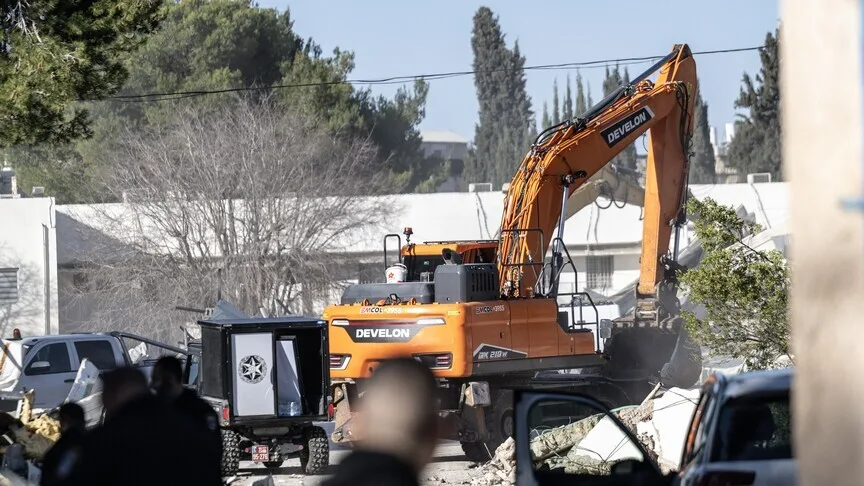
Meanwhile, Israeli army units continued bulldozing operations on agricultural land in Jenin between June 16 and June 17, establishing a new military camp on land the Palestinians consider under their full authority according to the Oslo II agreement [2].
The approvals and takeover of planning authority in Hebron signal a firm Israeli policy to expand settlement activity in contested areas of the West Bank. Israeli authorities confirmed the new school construction and planning authority change on June 17, with further building projects and security operations continuing in the region [1, 2].