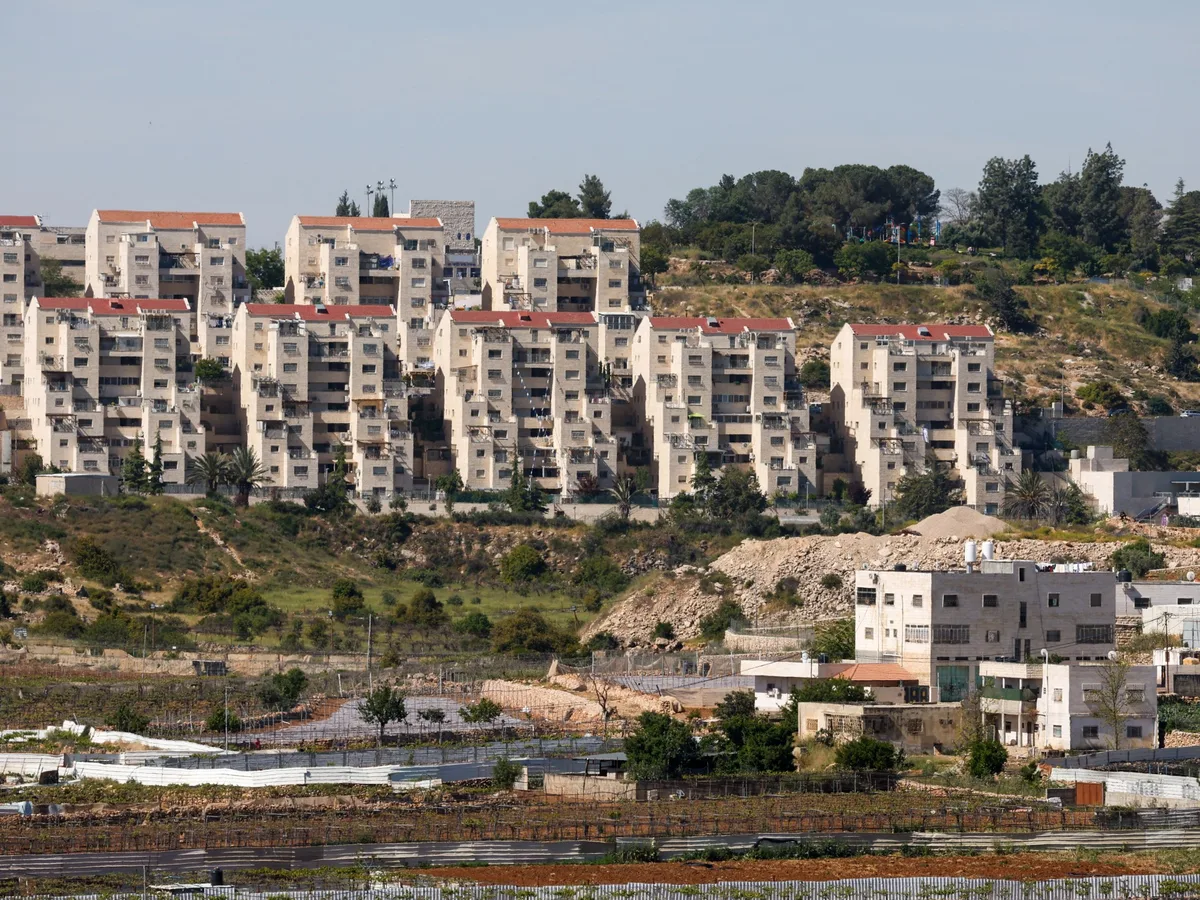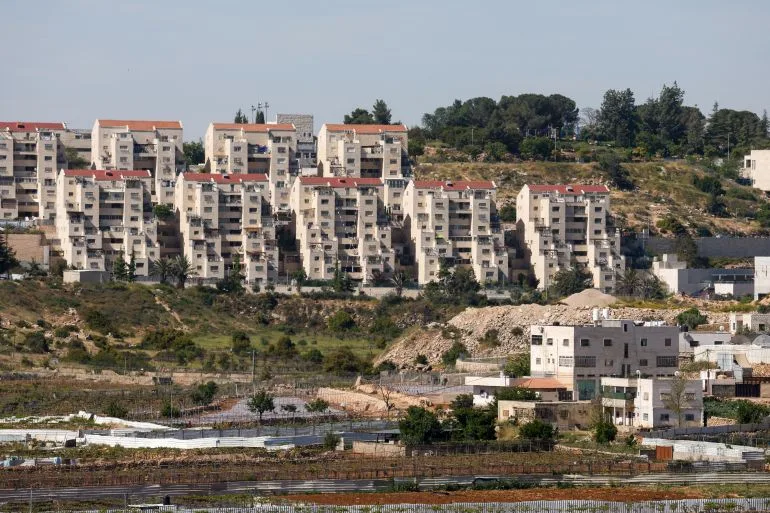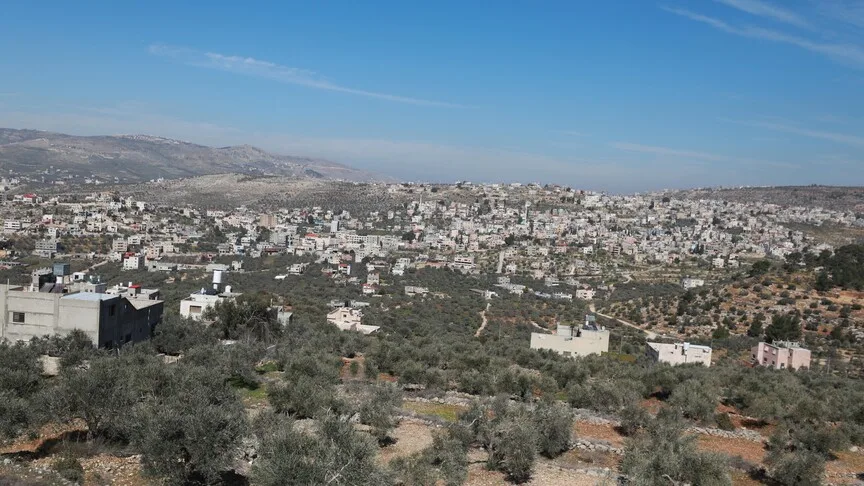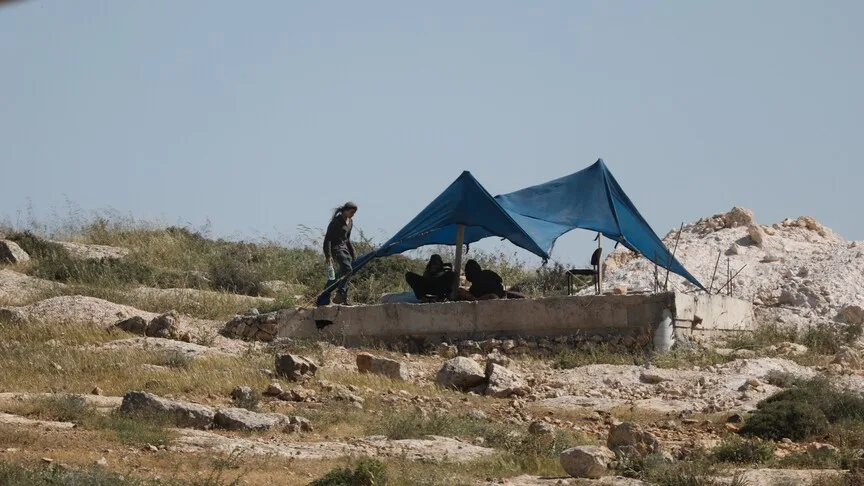
Israel allocated 152 million shekels ($51 million) to prepare construction plans for 69 settlements and outposts in the occupied West Bank last week, approved in a phone vote by government ministers [1, 2, 3]. The current Israeli government, formed in late 2022, has since approved 103 new settlement projects, including new settlements and outposts being legalized, according to Mu’ayyad Shaaban, head of the Colonization and Wall Resistance Commission [4, 3]. Shaaban said, "What is happening is not just routine settlement expansion, but rather an advanced stage of reshaping Palestinian geography and imposing new realities on the ground" [3]. Many of the targeted settlements are in sensitive areas such as the Jordan Valley and South Hebron Hills, intended to create territorial continuity between existing communities [2].
The Israeli government is preparing a draft resolution to allocate an additional 1 billion shekels ($338 million) for settlement expansion, including infrastructure and temporary residential compounds [5, 1, 2, 3]. Finance Minister Bezalel Smotrich said the funds would "strengthen existing settlements rather than creating new ones," adding, "These are not new settlements, but rather existing sites" [5]. However, the Israeli cabinet postponed the decision on the 1 billion shekel allocation and referred it to the Security Cabinet, which is expected to meet Sunday, June 14 [4]. Peace Now confirmed, "The government decided to postpone the decision [on the 1-billion-shekel allocation] and refer it to the Security Cabinet which is expected to convene on Sunday" [4].
Critics including Palestinians, human rights groups, and international actors describe many of the settlements and outposts slated for expansion as illegal under international law. They also say approvals often bypass standard planning and legal protocols [5, 4, 1, 2]. The expansion plans face widespread condemnation for undermining the prospect of a future Palestinian state [5, 4, 3]. About 700,000 Israeli settlers currently live in the West Bank, including in settlements considered illegal [5].
The next major step will be the Security Cabinet meeting on June 14 to discuss the proposed 1 billion shekel funding for expanded settlement development [4].