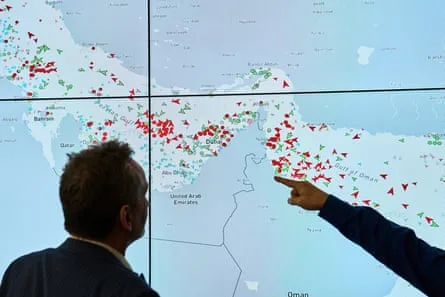
The ongoing war involving the US, Israel, and Iran has severely disrupted shipping through the Strait of Hormuz, affecting global supplies of oil, food, medicine, and fuel since February 2026 [1, 2]. Oil prices have risen sharply, nearly doubling from about $60 per barrel at the start of the year to almost $120 per barrel during the conflict peak, though current prices stand near $111 per barrel [1].
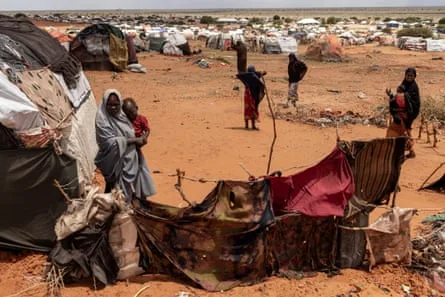
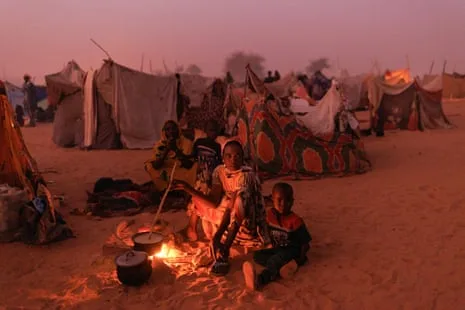
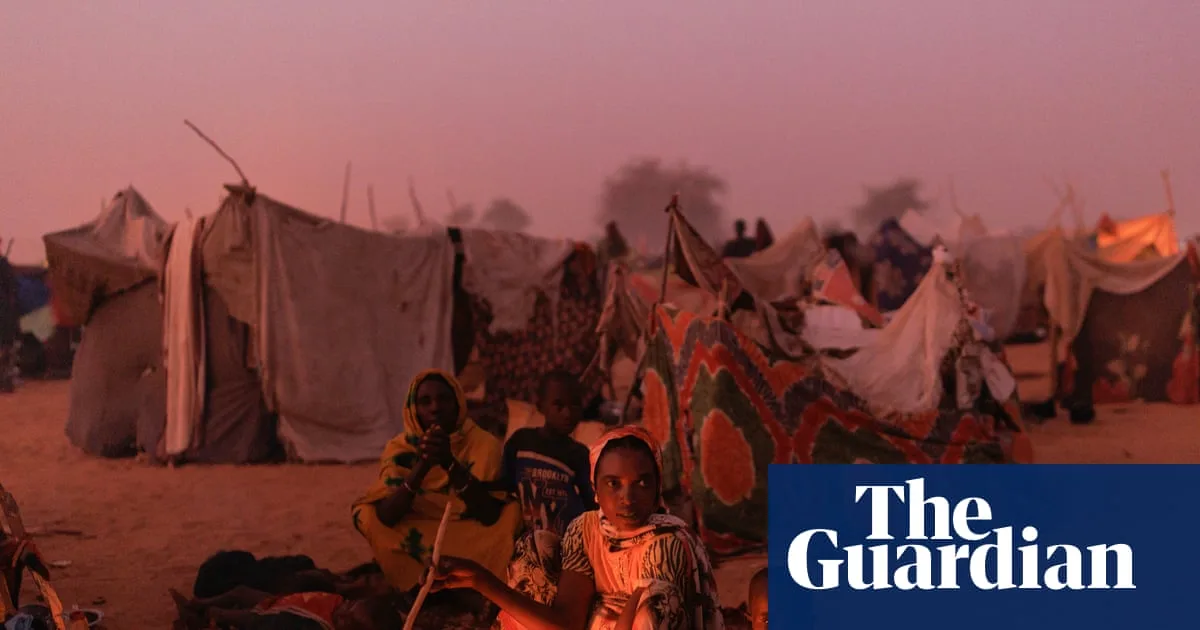
Aid organizations warn that higher transport and fuel costs have made delivering food and medical aid more difficult. Bob Kitchen from the International Rescue Committee called for "serious and immediate conversations about humanitarian corridors through the Strait of Hormuz so, at the very least, we can get supplies that are currently stuck in humanitarian hubs through the strait to resupply" [1]. Cecile Terraz of the Red Cross said, "The reality here is that it’s 100% sure that the increase of oil price is affecting the lives of people and also our operations" [1]. Save the Children reported an extra $340,000 per month in shipping costs from just a $5 rise in oil price [1].
The dispute over how severe the strait’s disruption is remains. Some sources say limiting cargo ships through the narrow 5-kilometer-wide passage has had extraordinary global impact, reducing shipments of food, fertilizer, and medicine [1]. Another source described the strait as "now all but impassable," causing supply disruptions to Europe, though fuel stocks remain sufficient for the moment amid uncertainty [2].
Jet fuel prices in Europe have soared alongside crude oil. In February, prices were about €68.27 ($80) per barrel but rose to €153.84 ($180) per barrel by late April, according to the International Air Transport Association [2]. Europe consumes about 1.6 million barrels of jet fuel daily, with 500,000 barrels previously coming via the Strait of Hormuz [2]. Airlines face pressure from high fuel costs; Marina Efthymiou of Dublin City University warned that if prices stay elevated and airlines lack hedging, they risk bankruptcy [2].
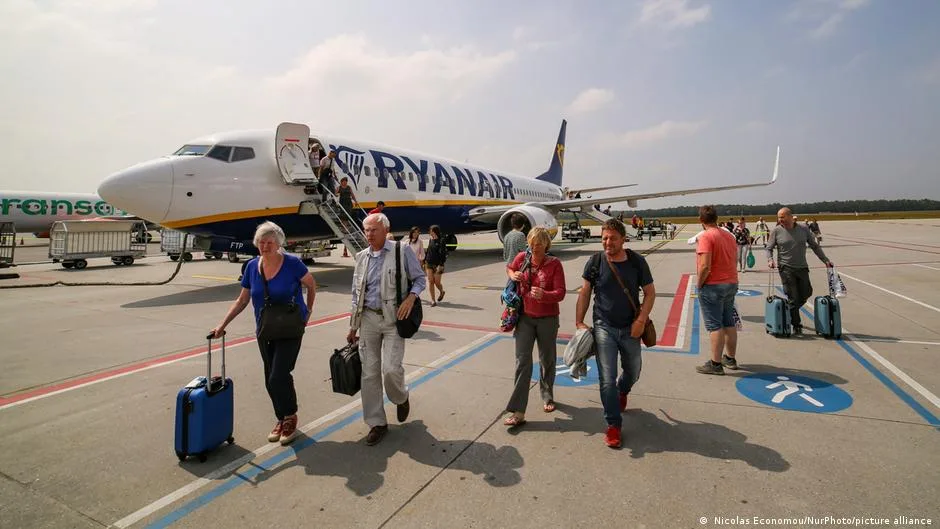
Several carriers have cut flights and added surcharges. On April 22, Lufthansa announced plans to cut 20,000 short-distance flights over six months [2]. Scandinavian Airlines plans to cancel about 1,000 flights [2]. Air France-KLM has added a €100 surcharge on long-haul flights, with spokesman Sebastien Justum saying, "We are obliged to do so, because otherwise we just are bankrupt in a few months" [2]. Andrew Charlton of Aviation Advocacy said, "That uncertainty, and the extra cost of keeping the tanks full, is making tickets more expensive. Travelers should expect fewer seats and fewer bargains on the market" [2]. Airfares in Europe have risen 24% over the year [2].
Reports indicate that humanitarian and aviation operations across Europe, Africa, and the Middle East are affected by the disruptions linked to the Strait of Hormuz conflict [1, 2]. The Guardian published a detailed report on April 29 highlighting aid disruptions and calls for a humanitarian corridor through the strait [1].
The crisis continues as airlines adjust schedules and fuel costs remain volatile. Pressure is mounting for diplomatic solutions to ensure the safe passage of aid and commercial shipments through the strategic waterway.