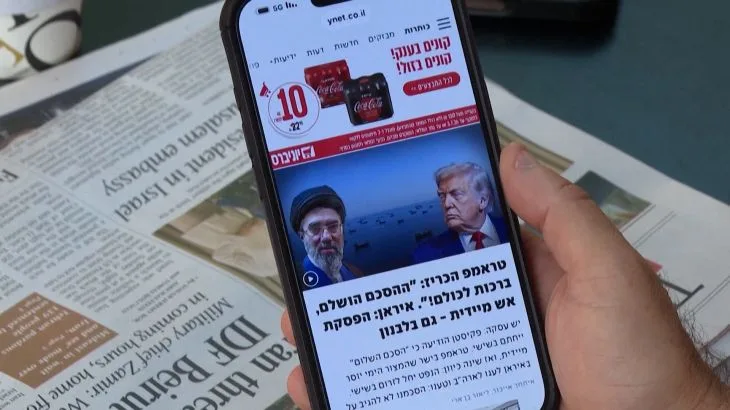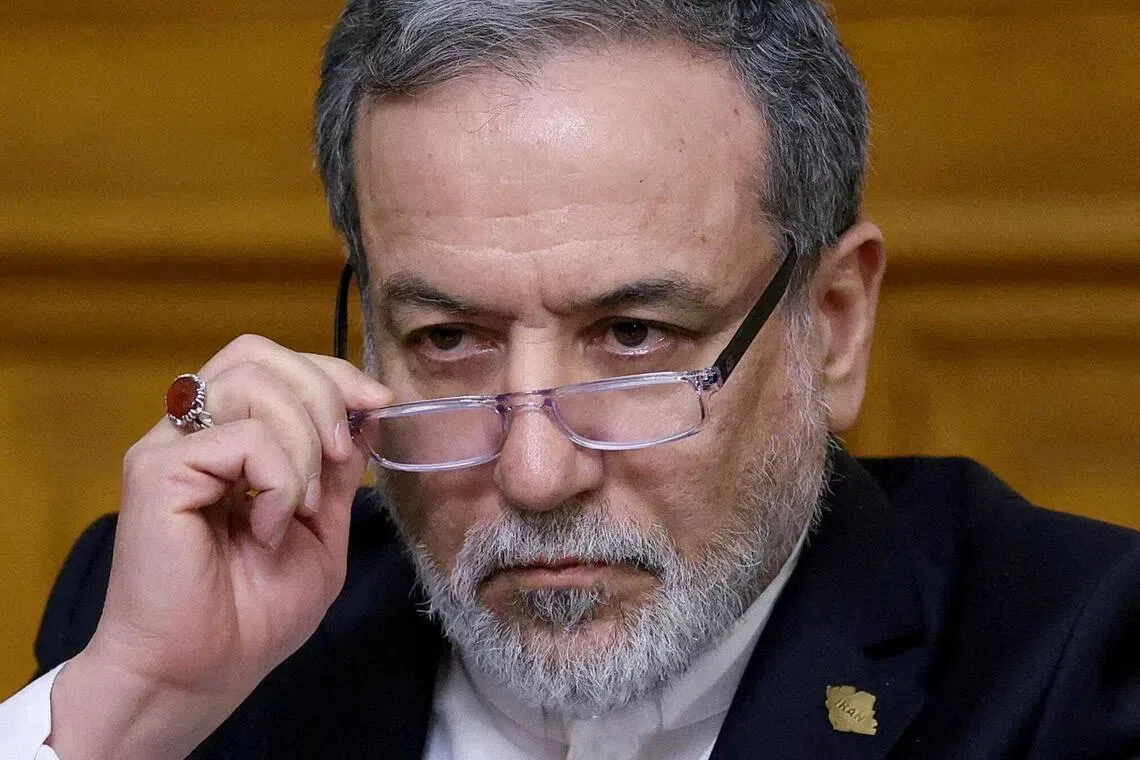
Iran's Foreign Minister Abbas Araghchi said on June 16 that ending the war on all fronts, including Lebanon, is the most important issue in the peace deal with the United States [1, 2, 3]. He stated, "Ending the war in Lebanon is an inseparable part of the complete end of the war," and emphasized the conflict involves "America and Israel" on one side and "Iran and Hezbollah" on the other [1].
The memorandum of understanding was announced on June 15. It seeks an immediate and permanent end to the conflict that began February 28 with US-Israeli strikes on Iran and later spread to Lebanon and the Middle East [1, 4]. It includes Israeli withdrawal from Lebanese territories occupied during the conflict, a key Iranian demand [1, 4, 2]. Iran views the war fronts in Lebanon and Iran as interconnected and insists that stopping hostilities in Lebanon is a prerequisite to ending the war with the US-Israel alliance [1, 2, 3].
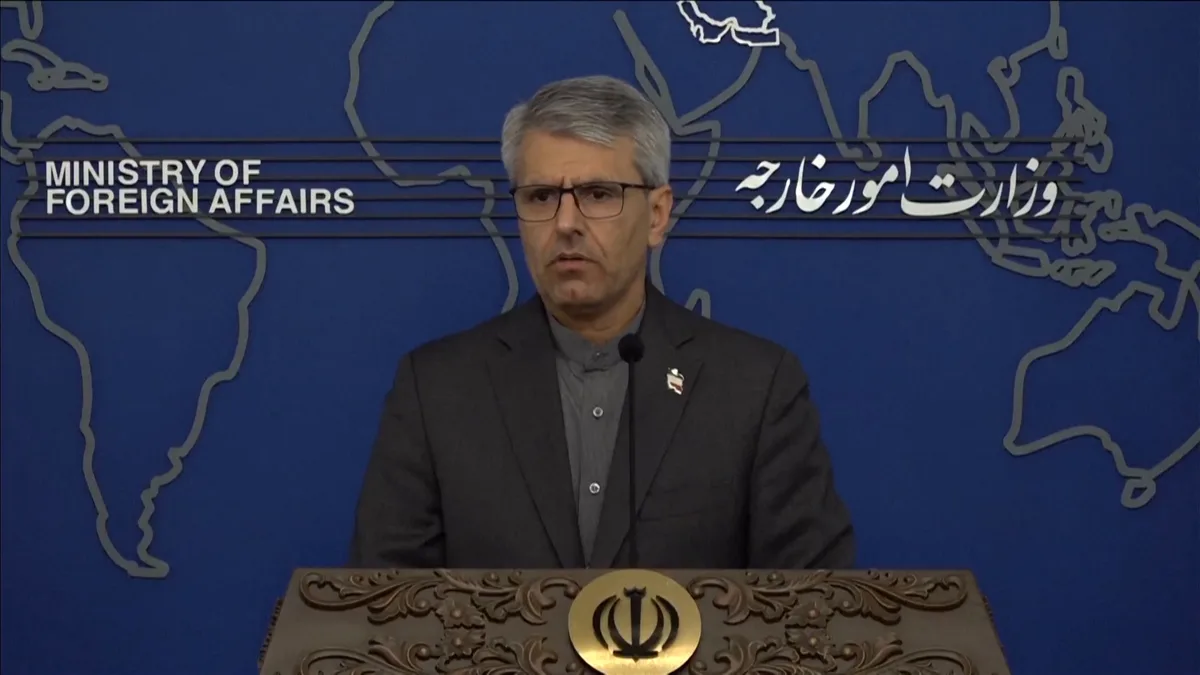
Iran's Foreign Ministry spokesman Esmaeil Baqaei said the US is committed to releasing frozen Iranian assets and compensating Iran's war losses, which are important economic priorities in the deal [5, 4]. He said the US must "cancel all primary and secondary sanctions, resolutions of the Security Council and the nuclear agency," underscoring economic issues tied to peace [4].
The memorandum also calls for nuclear and sanctions relief details to be finalized within 60 days of signing [4, 2]. Pakistani Prime Minister Shehbaz Sharif announced on June 15 the agreement had been reached and a signing ceremony will take place June 19 in Switzerland [4, 1].
However, Israeli Prime Minister Benjamin Netanyahu said Israeli forces will remain in Lebanon, Syria, and Gaza as long as necessary, contradicting Iran's demand for withdrawal [1]. Iran considers any Israeli military action or continued occupation of Lebanese territory after the deal a violation of the memorandum [1].
The next phase of US-Iran talks will begin around June 19 in Switzerland and will address maritime restrictions, post-conflict reconstruction, nuclear matters, and sanctions relief [2]. This meeting follows the signing ceremony scheduled for June 19 [1, 4, 2].