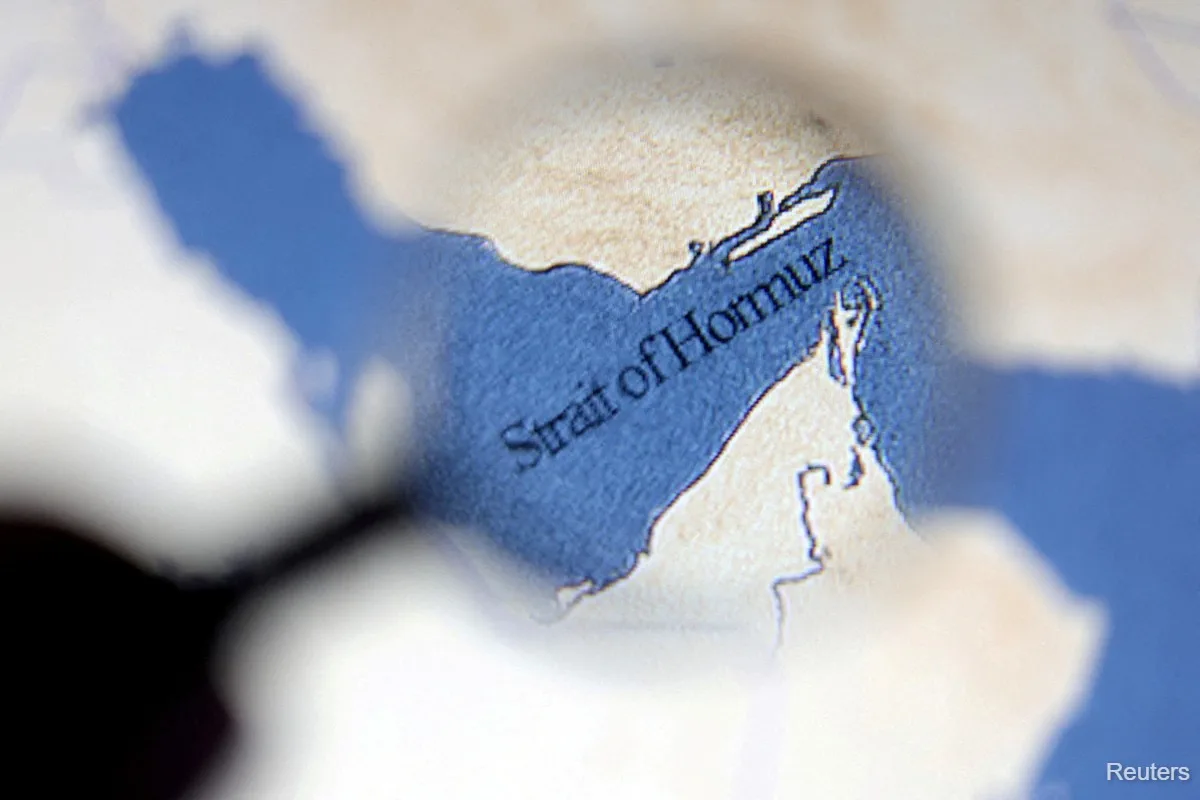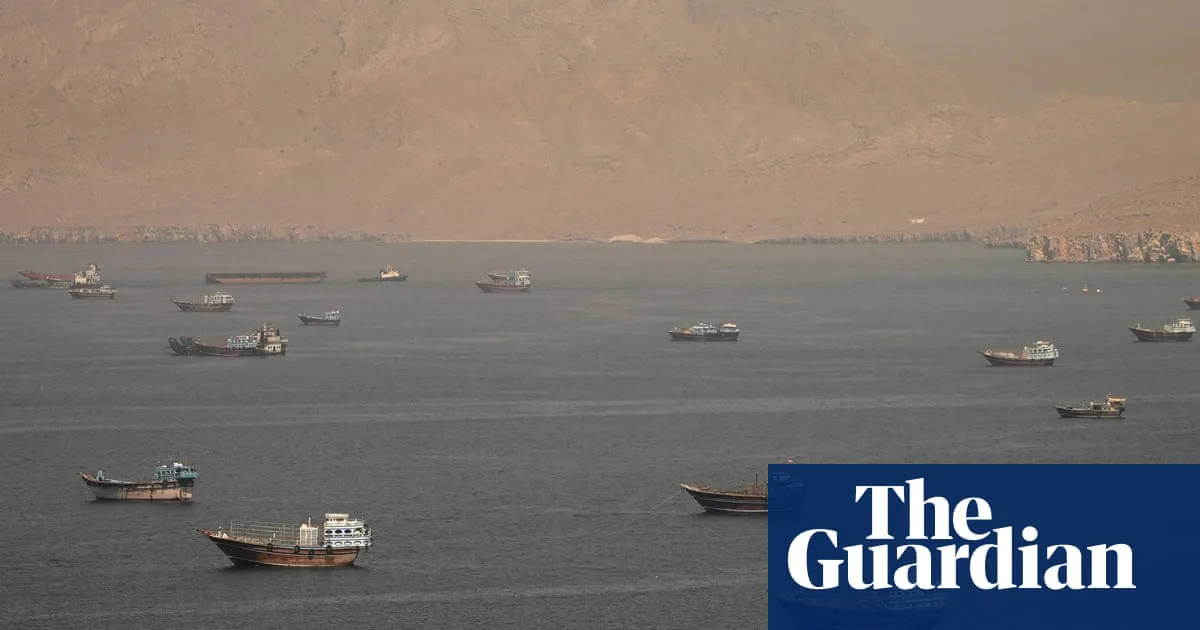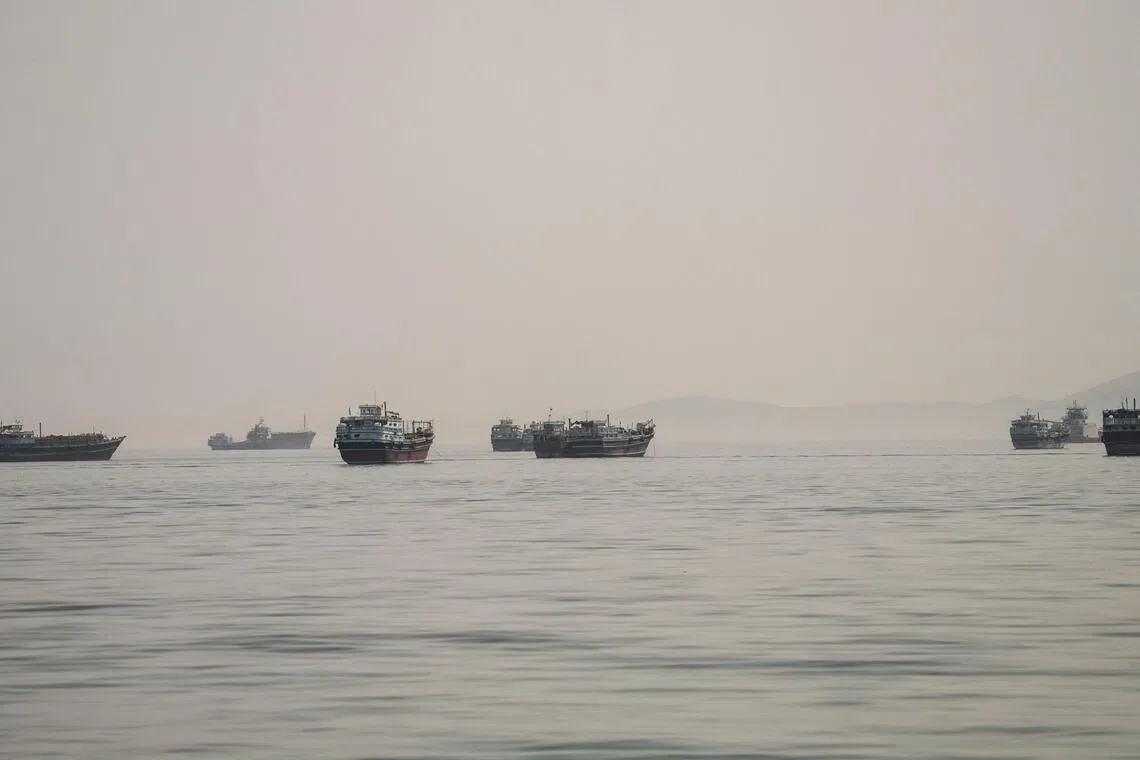
Iran's Persian Gulf Strait Authority (PGSA) has introduced new rules requiring all ships passing through the Strait of Hormuz to submit transit requests at least 48 hours before arrival via official channels during a 60-day memorandum period with the US [1, 2, 3, 4]. The PGSA also imposes mandatory Iran-approved insurance coverage for all vessels transiting the strait, provided free of charge during this period, though fees may be introduced later [2, 5, 6].
During the 60-day memorandum of understanding signed electronically on June 16 by US President Donald Trump and Iranian President Masoud Pezeshkian, with mediation from Pakistani Prime Minister Shehbaz Sharif, Iran has agreed to waive all fees relating to security, safety, environmental services, and the mandatory insurance [1, 3, 4]. "This insurance is provided free of charge to the vessel owner, with all expenses covered by the Islamic Republic of Iran," said the PGSA, adding that it reserves the right to charge insurance fees in the future [5].
Vessels must follow a prescribed route near Larak Island as designated by Iran, with no deviations allowed under penalty of sanctions. Western naval groups advise ships to use a route closer to the Omani coast, contrasting with Iran’s mandated path [2, 5, 6]. Iran claims control over the strait and rejects European proposals for naval escorts in the waterway [1].
Traffic volume surged immediately following the agreement but slowed sharply by June 17 amid safety concerns and reports of a mine discovered near the Omani coast [2, 6]. Iranian negotiator Mohammad Bagher Ghalibaf stated that vessels will be charged service fees for crossing the strait after the memorandum, a position the US has repeatedly rejected and remains unresolved [7].
Iran’s 60-day fee waiver period and insurance requirements mark the opening phase of reopening the vital waterway, with fees for maritime services expected to come into effect after the negotiation window closes in mid-August 2026 [1, 3, 5, 4].