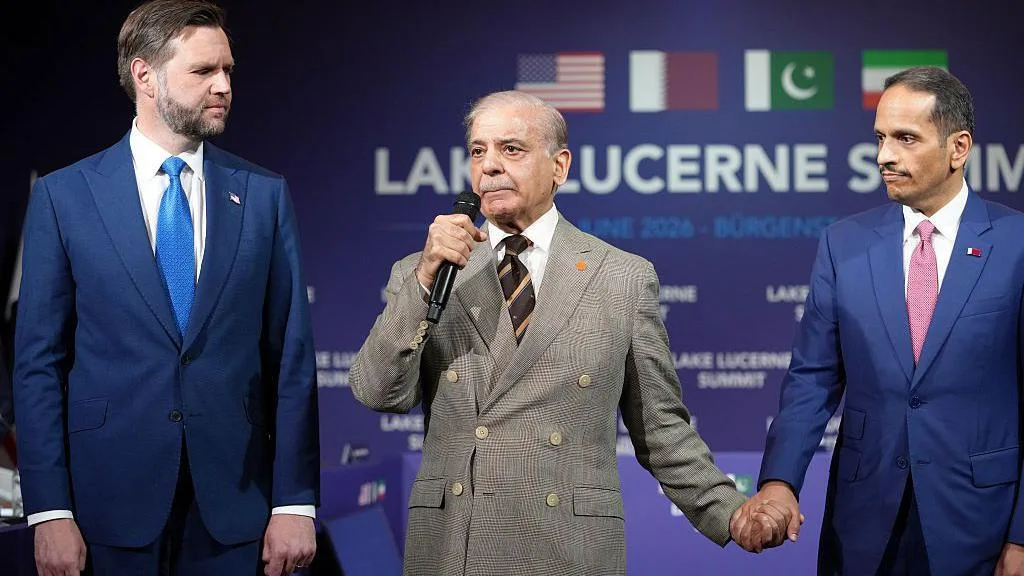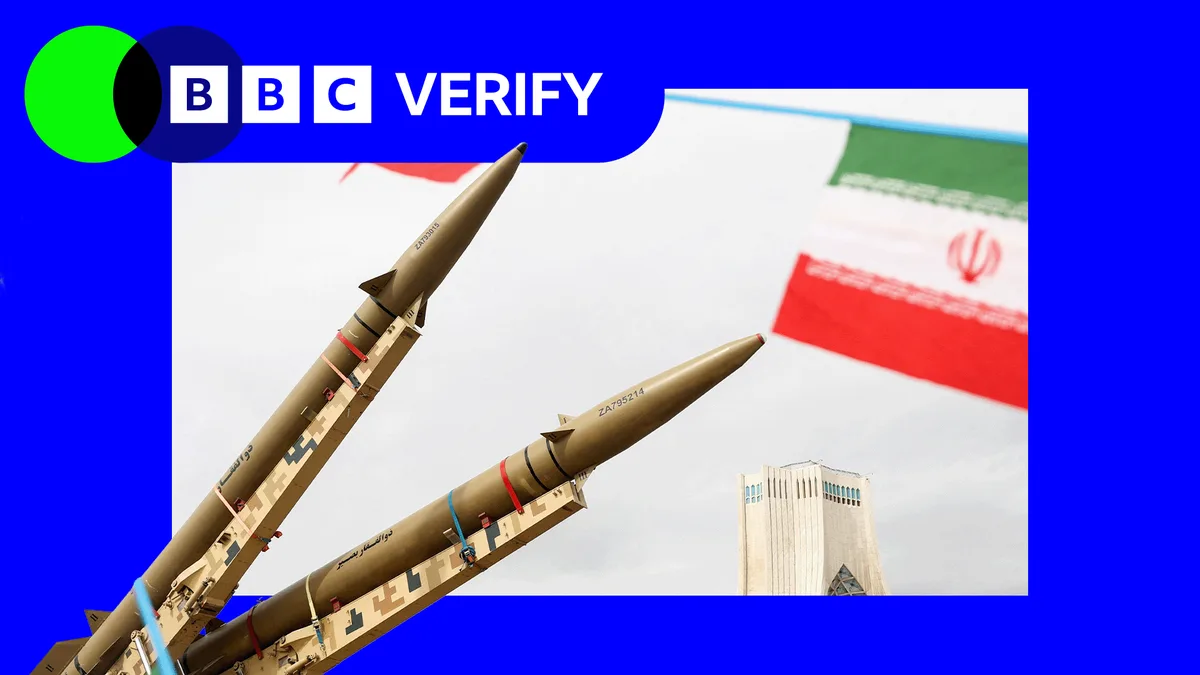
Iran denied making any new commitments to allow International Atomic Energy Agency (IAEA) nuclear inspectors back into the country after talks held in Bürgenstock, Switzerland, mediated by Qatar and Pakistan on June 21-22 [1, 2, 3]. Iranian foreign ministry spokesperson Esmail Baqaei said Tehran had made no new commitments regarding cooperation with the UN nuclear watchdog beyond existing frameworks set by Iranian parliament and the Supreme National Security Council [1, 3]. He emphasized that Iran’s missile program was not discussed in the meetings and ruled out allowing IAEA access to nuclear sites hit during the US-Israeli conflict [4].
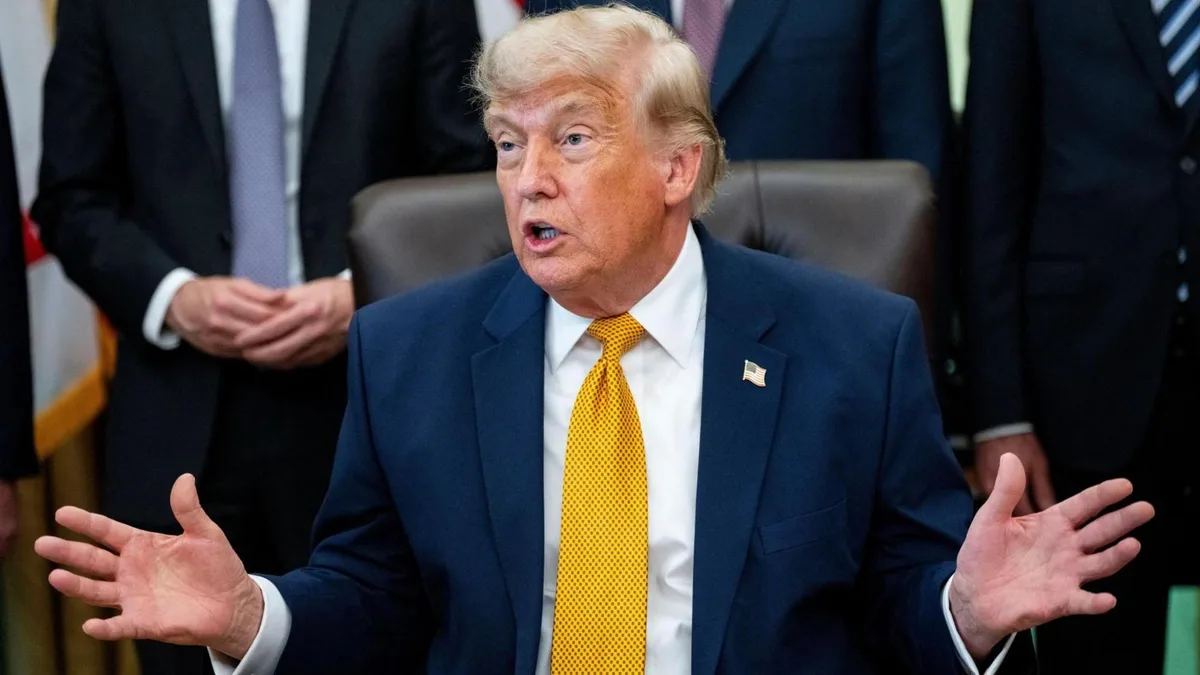
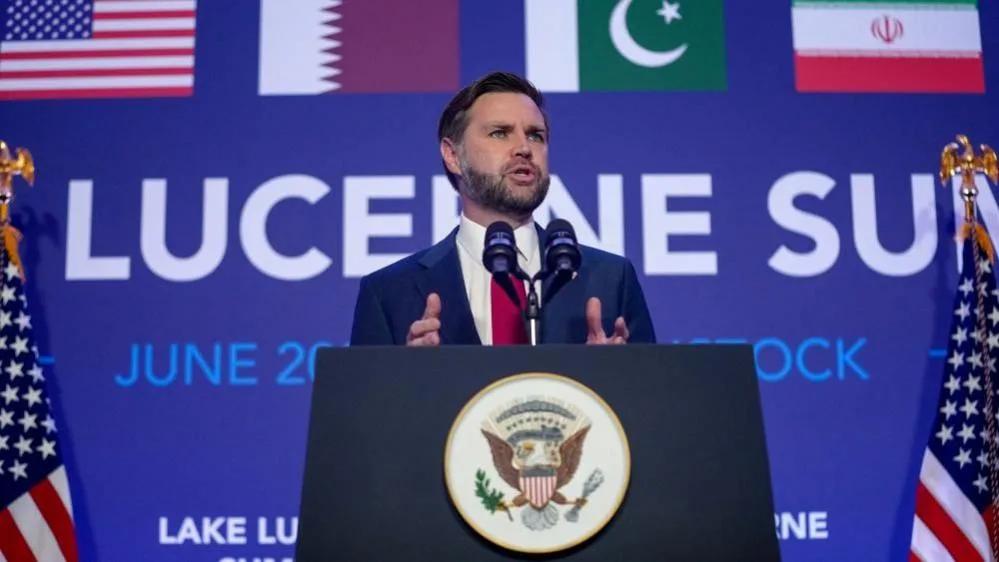
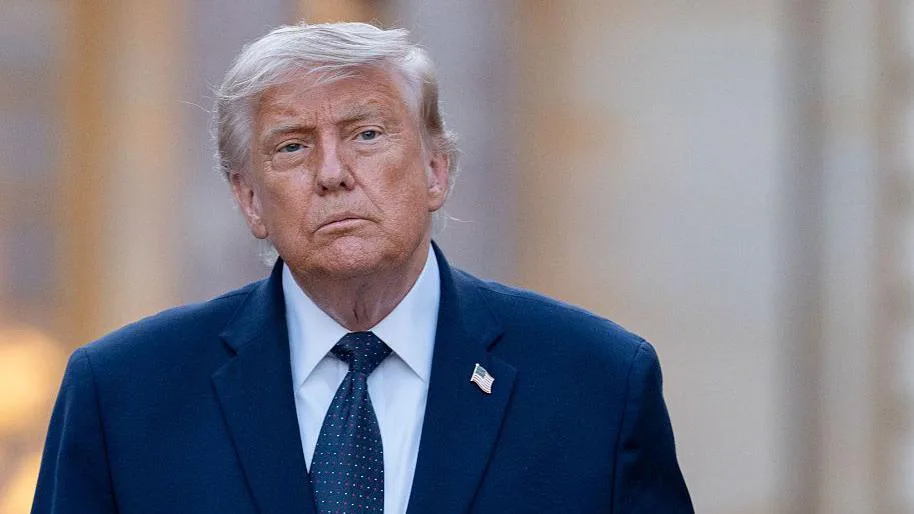
The US presented a very different account. Vice-President JD Vance claimed Iran would allow nuclear inspectors to return, with discussions expected to start as early as the same day of the talks. Vance said, “I expected [nuclear inspection process] to start at a minimum this week, but conversations with inspectors could happen as soon as today” [1]. Meanwhile, President Donald Trump stated that “Iran will agree to have Major Weapons Inspections in order to ensure 'Nuclear Honesty' long into the future” [1, 2].
Iranian President Masoud Pezeshkian reaffirmed Iran’s commitment to fully implementing signed provisions within international law and protecting Iranian rights [4]. The cooperation with the IAEA remains governed by existing agreements rather than any new arrangements from the talks [1, 3].
The talks did not address Iran’s missile program, and Iran specifically ruled out IAEA inspections of nuclear sites that were bombed during the US-Israeli conflict [4]. Iran also insists it faces no restrictions on the use of frozen assets released under ongoing understandings with Washington [4].
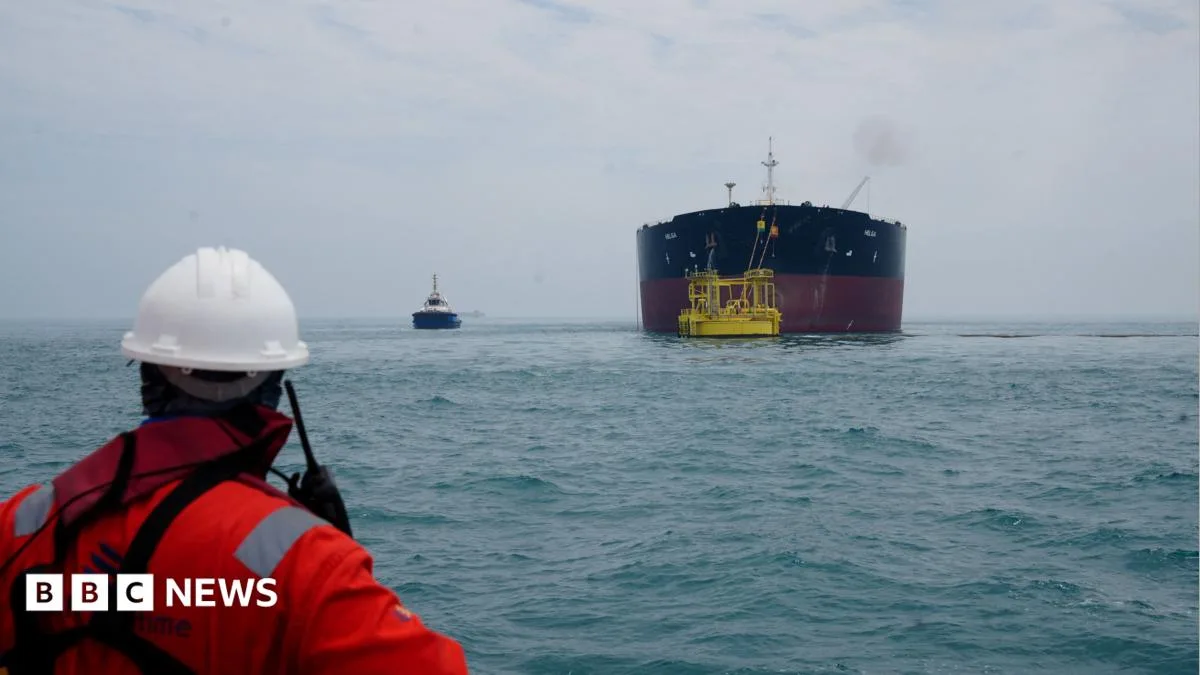
On the economic front, the US has waived sanctions for 60 days, allowing Iran to sell oil in US dollars and trade Iranian crude and petrochemicals until August 21, 2026 [1]. Iranian officials said the negotiations made significant progress toward ending the war in Lebanon and easing pressures on Iran’s economy [3].
The next key deadline is August 21, 2026, when the US sanctions waiver expires [1].