The 2026 G7 summit is set to take place from June 15 to 17 in Evian-les-Bains, France, near Lake Geneva, with heightened security and protests across the region [1, 2].
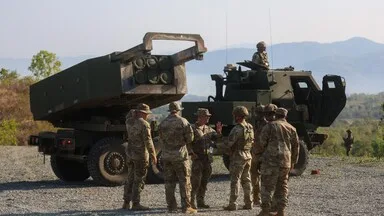
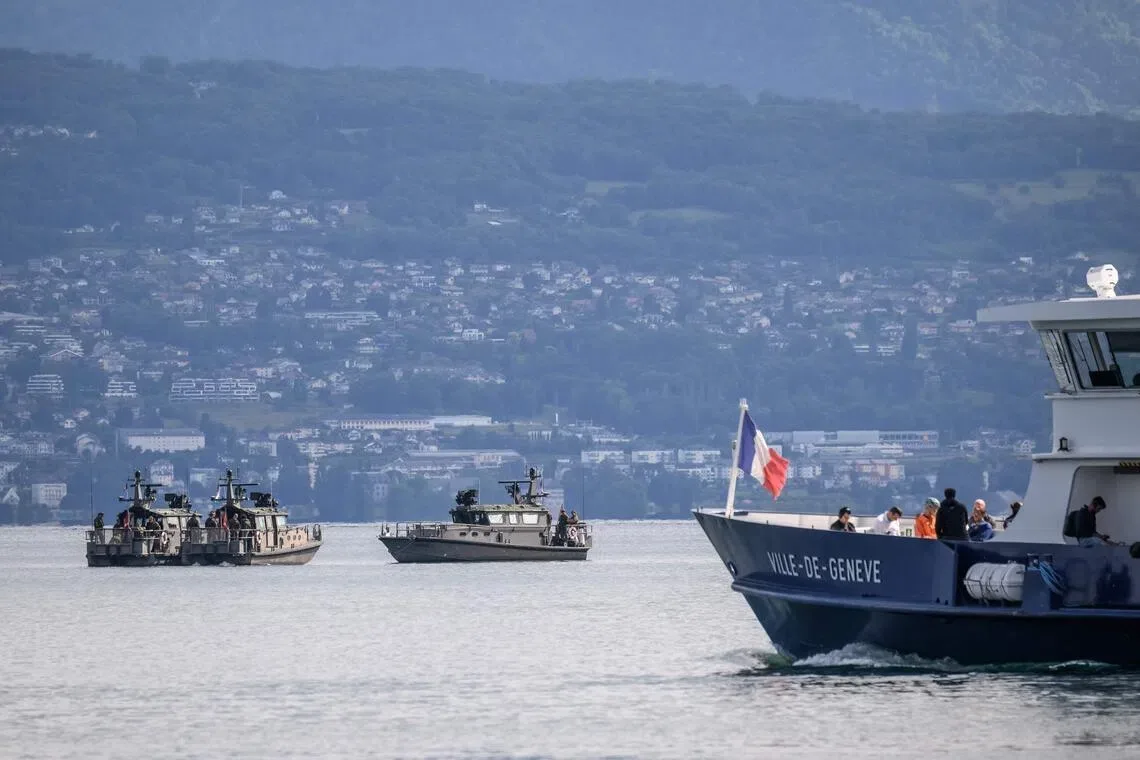
About 16,000 French police, troops, and officials have been deployed, supported by roughly 4,000 Swiss military personnel. Switzerland has committed between 2,000 and 5,000 military members to assist cantonal police during the summit [1]. French authorities have established reinforced security zones around Evian, neighboring towns, and key transport routes to prevent disruptions [1].
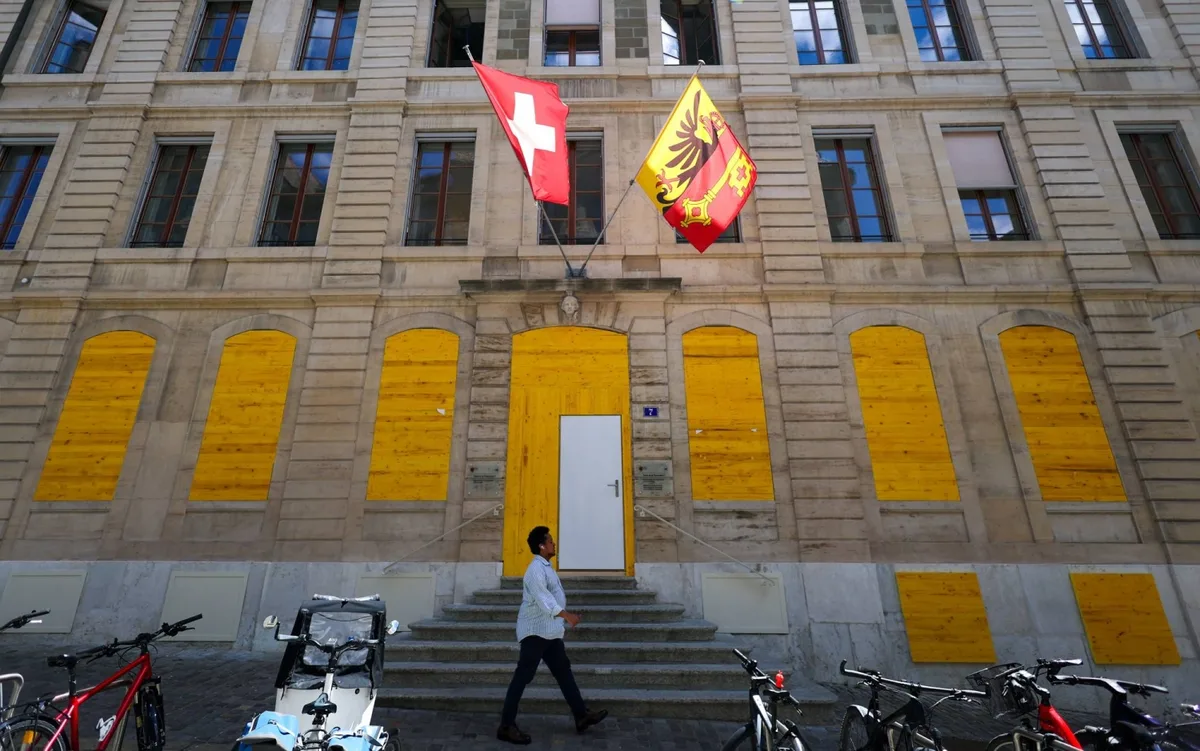
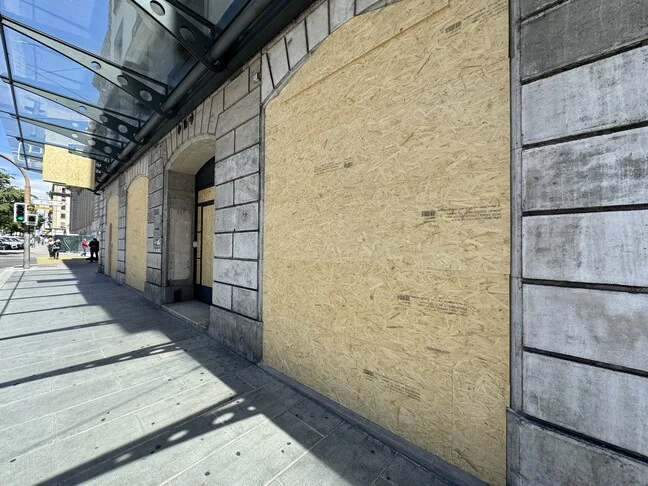
Geneva, located 40 to 45 kilometers southwest of Evian, is expected to face traffic restrictions, border closings, increased security checks, and transport delays during the summit [1, 3, 2]. Businesses there began boarding up shopfronts as early as June 12 amid concerns over possible unrest. Marine, a boutique owner near Rue de Rive, said the decision was made by building owners as a protective measure but that it could hurt summer sales, normally a busy season [2].
A large demonstration is planned in Geneva on June 14 by the "No-G7" coalition, which consists of more than 60 associations, unions, and left-wing groups opposing current G7 policies [1, 3, 2]. Authorities hope to contain any public order disturbances after recalling the riots and extensive damage caused during the 2003 G8 summit in the area. That summit featured tens of thousands of anti-globalization protesters clashing in Lausanne and Geneva [1, 3, 2].
Emmanuelle Dubee, Haute-Savoie regional prefect, outlined that the wide security deployment targets risks brought by the "extremely tense international context," including a "terror threat, which remains high in France," as well as "the risk of sabotage and cyber-attacks" alongside disorderly protests [1].
The summit will run through June 17, with authorities remaining vigilant throughout the event [3, 2].