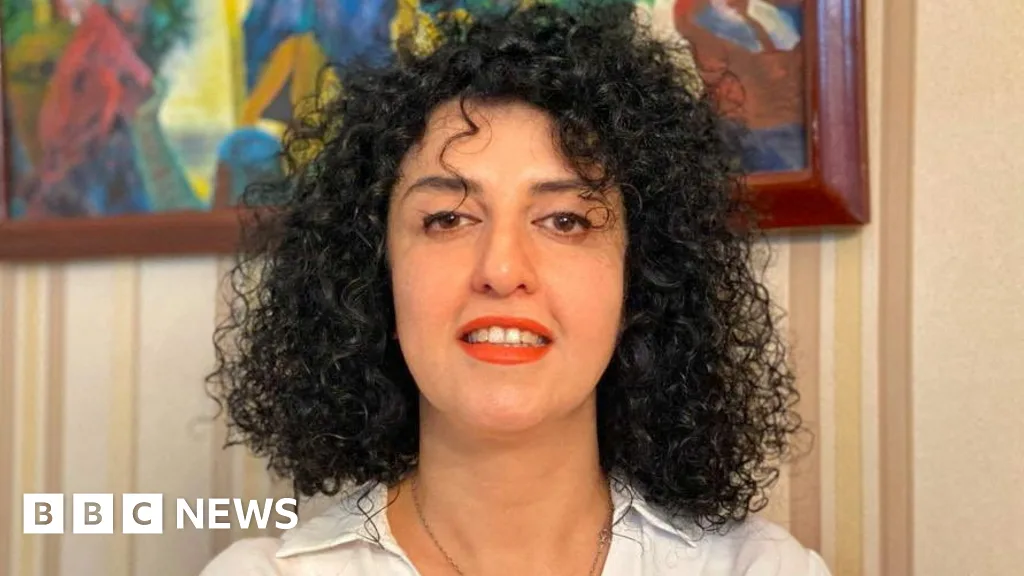
Narges Mohammadi, the 54-year-old Iranian Nobel Peace Prize laureate and human rights campaigner, has been transferred to a hospital in Zanjan province following a severe deterioration in her health after 140 days in detention without access to specialised care, her family and the Narges Mohammadi Foundation said Friday [1].
Mohammadi was taken from prison in north-west Iran after her condition became critical, but her relatives described the hospital transfer as a last-minute effort that may be too late to save her life. Her brother Hamidreza Mohammadi told the BBC he feared she was dying, saying the family was "waiting for the worst call" [1].
Hamidreza described a history of cardiac, lung, and blood pressure problems and accused prison officials of denying necessary hospital care despite Mohammadi suffering a heart attack and dangerously low blood pressure in recent days. He called for "her own specialists, who have treated her previously, [to] take over her care" to improve her chances of survival [1].
Jorgen Watne Frydnes, head of the Nobel Peace Prize Committee, said Mohammadi's "life was at risk," highlighting concerns over the treatment of the prominent activist in Iranian custody [1].
Mohammadi's brother also criticised Iranian authorities, stating, "I have no doubt that the regime has decided to just get rid of people like Narges and other activists," underscoring longtime tensions surrounding her imprisonment and activism [1].
Iranian officials had not issued a public response to the family's claims or the Nobel Committee's statements at the time of reporting [1].
The situation escalated over the past week, with her health sharply worsening before the hospital transfer on Friday. On Saturday, Hamidreza told the BBC that Mohammadi suffered a heart attack and low blood pressure in detention, amplifying fears for her survival [1].
Mohammadi's condition and the refusal to provide adequate medical care come after more than four months of detention. The next significant update will depend on her medical team’s assessment following the transfer to the hospital in Zanjan province [1].