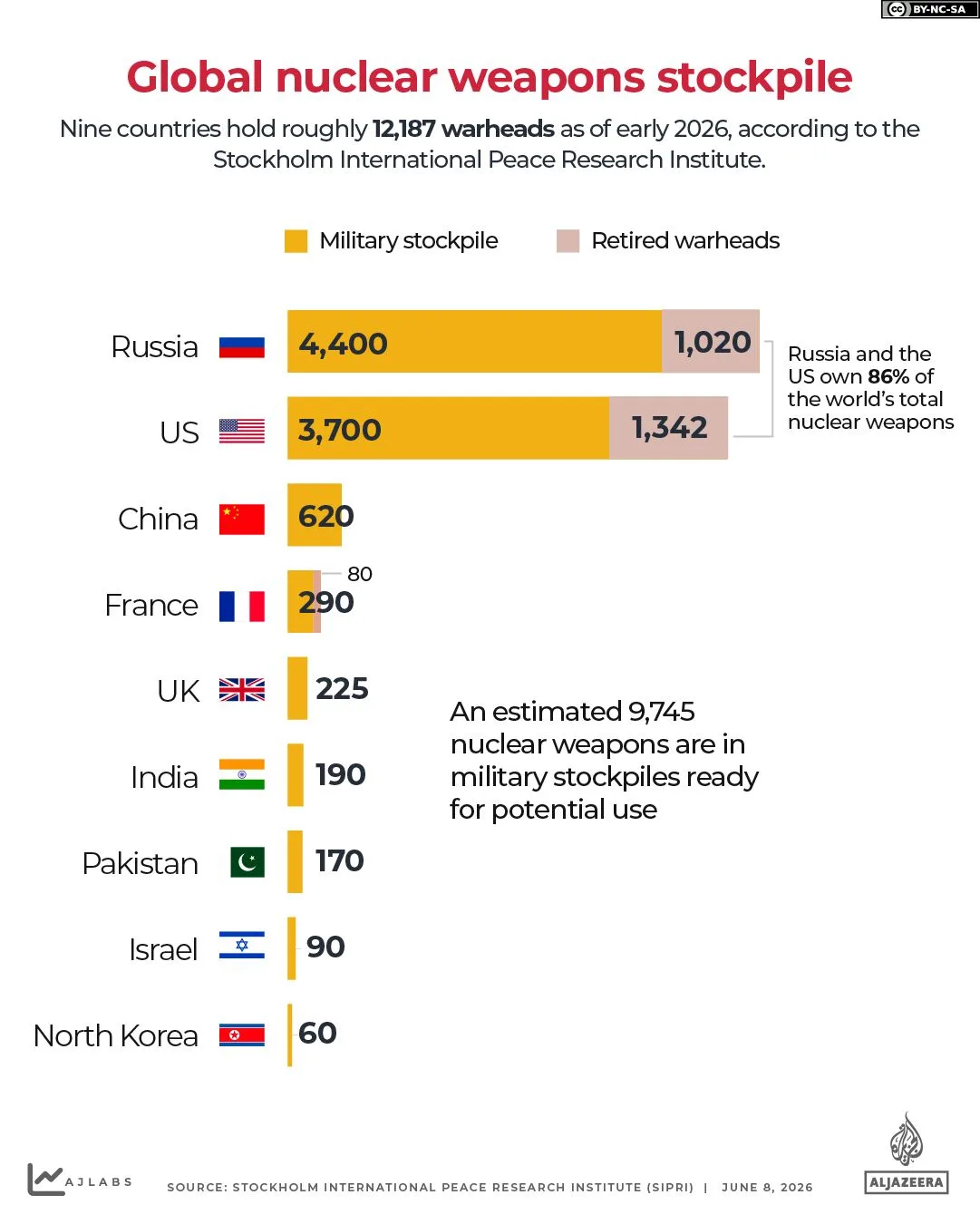
As of early 2026, nine nuclear-armed countries hold an estimated total of approximately 12,187 nuclear warheads, with about 9,745 in military stockpiles available for potential use, according to SIPRI [1, 2, 3, 4, 5]. This represents a slight decline from 2024 and 2025, primarily due to dismantling of older warheads outpacing new deployments [1, 6, 2, 3, 4].
Despite the overall decrease in warhead numbers, SIPRI warns that nuclear risks are increasing worldwide. More warheads are being deployed from storage onto active delivery systems, raising the danger of rapid use [1, 2, 3, 4, 5]. Karim Haggag, SIPRI's director, said, "The more worrying news is that even though we have lower numbers of nuclear weapons, the level of nuclear dangers and nuclear risks are rising" [2].
The pace of dismantling old warheads is slowing while modernization and deployment of new weapons is accelerating, likely reversing the decline in the near future [1, 6, 2, 3, 4]. Hans M. Kristensen, a SIPRI nuclear expert, added, "The evidence is growing that the nuclear weapon states are sidelining, and even walking away from, their disarmament commitments and are instead flexing their nuclear muscles" [6].
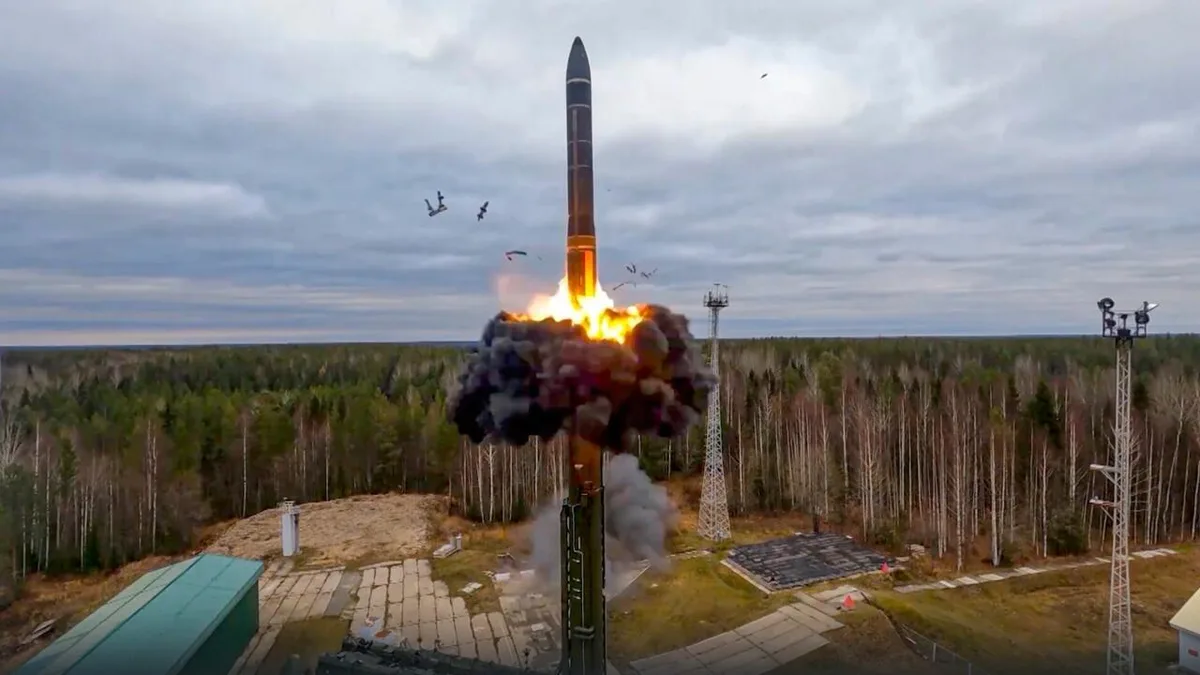
The United States and Russia continue to hold most of the world's warheads, collectively about 83%, with Russia possessing an estimated 5,420 warheads and the US 5,042 [1, 2, 3, 4, 7, 5, 8, 9, 10, 11, 12]. Both countries’ arsenals remain the largest but the New START treaty limiting deployed strategic weapons expired in February 2026, weakening arms control agreements [6, 7, 11, 12].
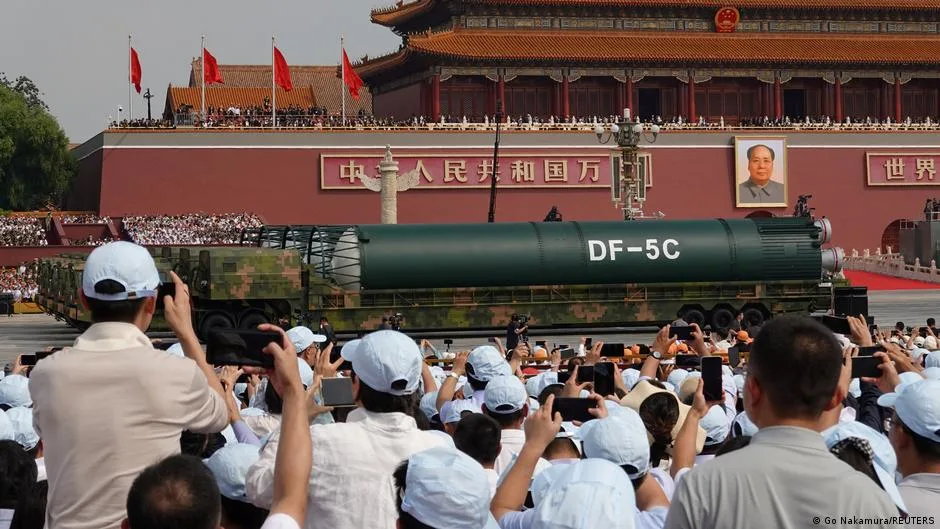
China is the fastest growing nuclear power, increasing its stockpile from about 600 warheads in 2024 to approximately 620 by early 2026 [1, 4, 7, 5, 8, 9, 10]. The country’s deployed warheads rose from about 24 in 2025 to 34 in 2026, while China’s intercontinental ballistic missile (ICBM) silos have surpassed those of the US and Russia [11]. Karim Haggag said, "Intensifying geopolitical competition means a very strong incentive on the part of China to increase its reliance on nuclear weapons" [5]. Some SIPRI sources forecast China’s arsenal could reach around 1,000 warheads by 2030 [1, 7, 11].
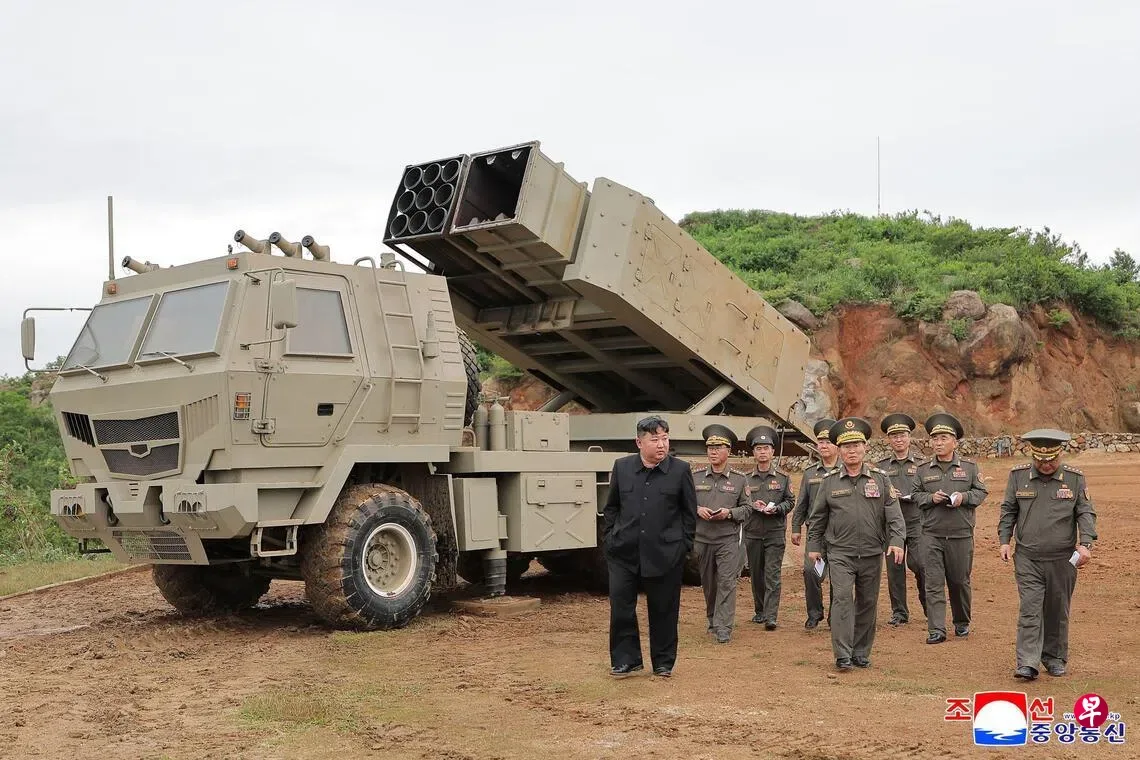
Other nuclear-armed nations are maintaining or expanding arsenals. France and the UK plan slight increases; France announced stockpile growth while the UK expects higher warhead limits [1, 3, 7, 9, 12]. India and Pakistan continue modernization and expansion efforts, with around 190 and 170 warheads respectively, and Pakistan is accumulating fissionable material [1, 7, 9, 12]. Israel, estimated to have about 90 warheads, is modernizing its arsenal though it does not officially acknowledge nuclear weapons [1, 7, 9, 12]. North Korea is estimated to have about 60 assembled warheads plus material to produce 30 more [7, 12].
Approximately 4,012 warheads are deployed on missiles and aircraft globally, with about 2,200 kept at high alert for launch within minutes. Most of these highly alert weapons belong to the US and Russia [3, 11].
Finland and Sweden have shifted nuclear policies since the 2022 Russia-Ukraine war, now participating actively in NATO nuclear policy and exercises [6, 7, 12].
SIPRI released its latest report on June 8, 2026, warning that nuclear dangers are rising amid ongoing modernization and increased deployment of warheads from storage [1, 2, 3, 4, 5, 11]. The expiration of the New START treaty in February has taken a toll on international arms control efforts [6, 7, 11, 12].