Germany failed to secure a non-permanent seat on the UN Security Council for the 2027–2028 term, receiving 104 votes compared to Portugal's 134 and Austria's 131 in a secret ballot at the UN General Assembly on June 4–5, 2026 [1, 2].
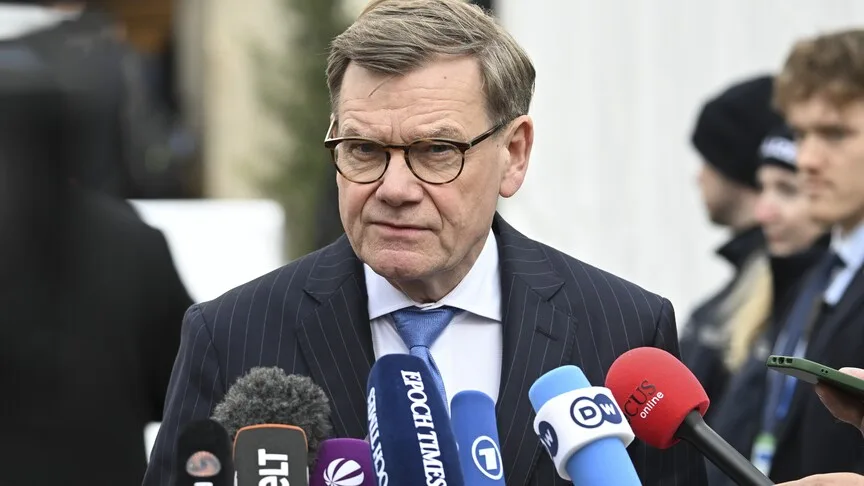
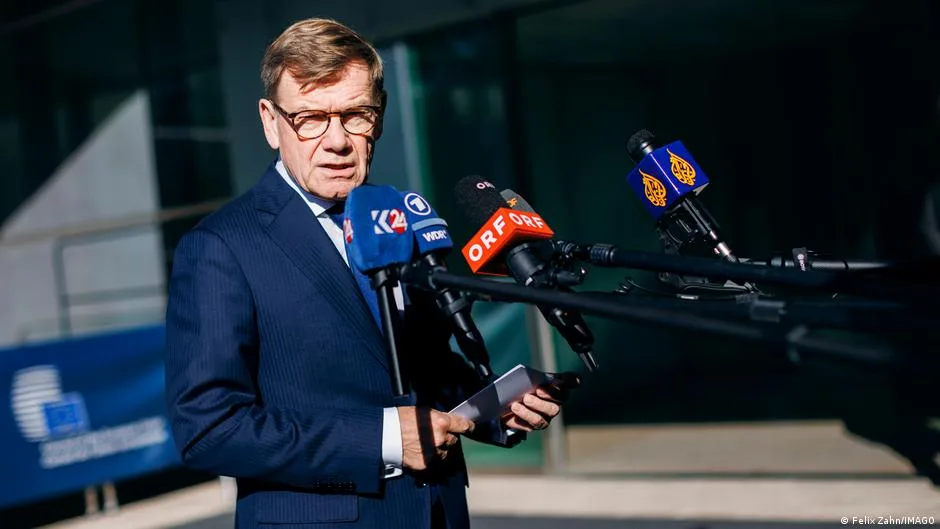
Foreign Minister Johann Wadephul said on June 18 that Germany’s Bundestag will more strictly review budget commitments related to UN funding. He stated, "It is unacceptable for us to be one of the largest contributors while being overlooked in certain decisions, including those regarding personnel" and added, "We want to be heard. Germany has interests. And Germany wants to be respected, too. This is not a demand for dominance. But the United Nations must realize that we intend to assert our position somewhat more clearly in the future" [1, 3, 2].
Germany is among the largest financial contributors to the UN. Its current federal budget allocates about €961 million for donations to the UN and international organizations, down roughly €84 million from the 2025 budget [1, 2]. Despite plans to scrutinize spending, Wadephul expressed intent to increase funding for humanitarian aid, saying, "Almost every news report reminds us that investment in humanitarian aid must be strengthened" [1, 2].
The UN Refugee Agency (UNHCR) criticized recent cuts to humanitarian aid funding by Germany and other countries. Its representative in Germany, Katharina Tothe, said on June 18 that "since last year, humanitarian aid funding from member states has been cut sharply. This includes not only the US but also Germany and other countries. This year, only about one-third of funding needed globally for refugees has been raised." She added, "Although numbers of refugees returning home have increased, that does not mean the crisis is over. Not all refugees return voluntarily; situations remain very severe in places like Afghanistan" [1, 2].
Some analysts attribute Germany’s failure to win the Security Council seat to international backlash over Berlin’s strong support for Israel amid controversy over Israeli government actions in Gaza, the West Bank, and Lebanon. However, official government sources have not confirmed this reasoning [3].