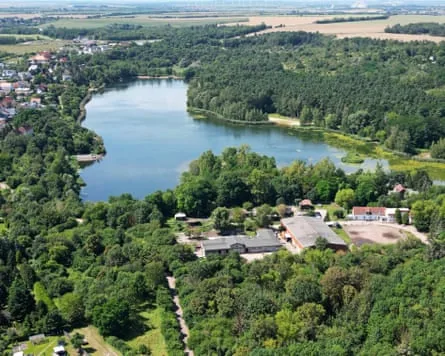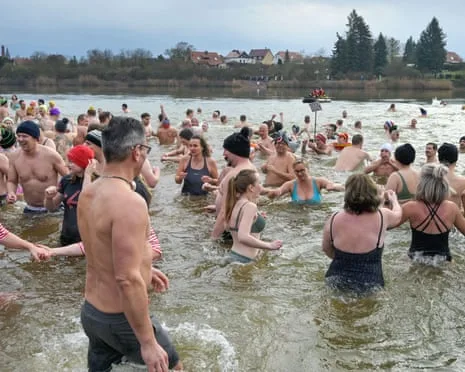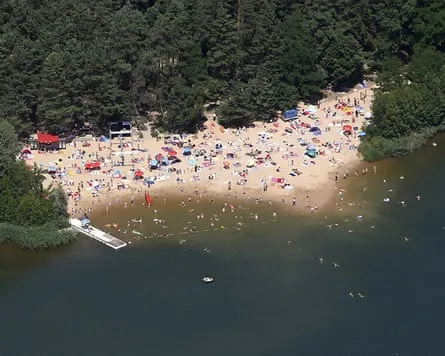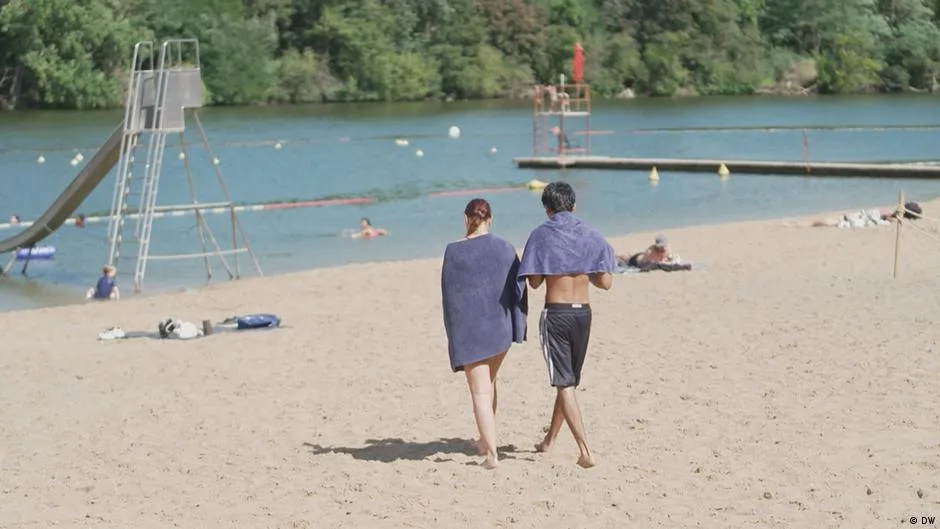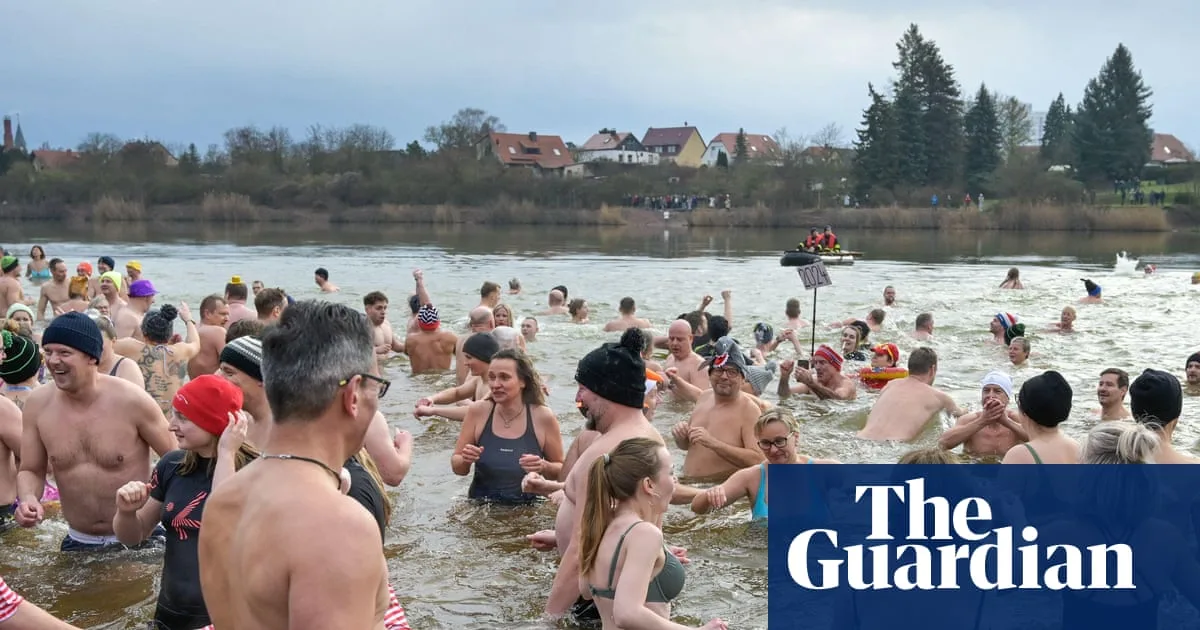
Heidesee lake in Halle, Germany, introduced a rule banning visitors who cannot speak adequate German from entering to ensure safety and compliance with swimming regulations. The rule requires at least one person in each group to understand lifeguard instructions and safety rules [1, 2, 3].
Manager Mathias Nobel, who oversees bathing safety, said the ban followed incidents of safety violations and a recent event where he personally rescued a child from a dangerous deep water area a few days before June 24, 2026. Nobel said, "I’m responsible for the bathing here. If anything happened, everyone would point the finger at me. You can’t reverse death" [1]. He also explained, "They must be able to understand the rules of our swimming area. If we find insufficient German ability at the entrance, we make a judgement based on the situation" [2].
Since its introduction just days before June 24, some customers without sufficient German skills have already been refused entry under the new rule, sparking controversy [2, 3]. The city authorities of Halle have called on the lake operator to lift the ban, calling it "a blanket entry barrier for entire population groups" that undermines the public character of the lido. A city spokesperson said, "The operator has to take into account the necessity of guaranteeing public access to the lido" [1].
Germany’s national anti-discrimination agency warned the lake operator of possible legal action over the language requirement. The agency spokesperson asked, "Imagine how much of a fuss there would be if German-speaking travellers in Mallorca had to prove their knowledge of Spanish or Catalan before they could go swimming?" [1]. The German Life Saving Association (DLRG) also distanced itself from Heidesee’s language ban [1].
The ban has ignited accusations of xenophobia and racial discrimination, especially in Saxony-Anhalt, the eastern state where Halle is located. Saxony-Anhalt saw 229 right-wing extremist violent incidents in 2025 alone, including 130 racist attacks that left many children among the 68 victims [1, 2, 3].
The far-right anti-immigrant party AfD, which leads polls in Saxony-Anhalt with around 40-42% support ahead of the state election in September 2026, seized on the controversy to criticize the established parties. The AfD said on Facebook, "Our public swimming pools, once safe havens of recreation, are increasingly becoming genuine danger zones under the misguided policies of the established parties" [1, 2, 3].
The language ban remains in effect as debate continues. Saxony-Anhalt’s state election in September 2026 is expected to bring increased attention to issues of immigration and public safety in the region [1, 2, 3].