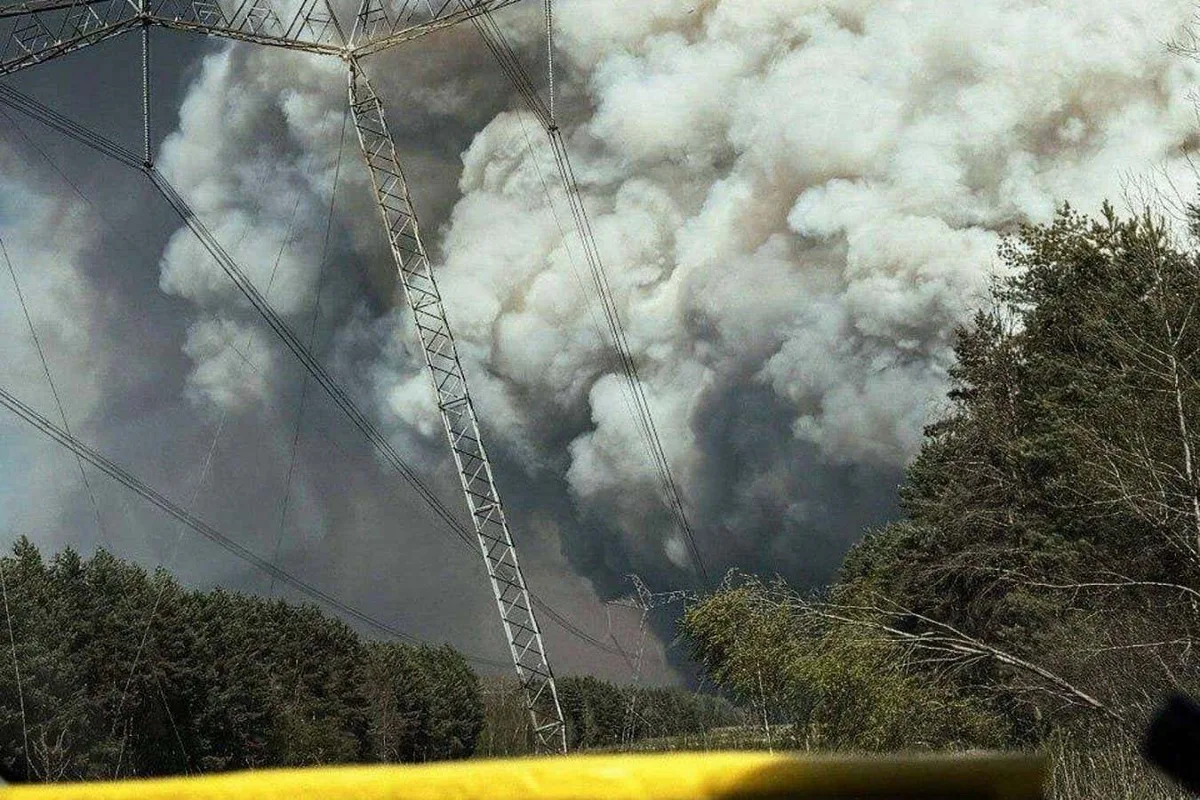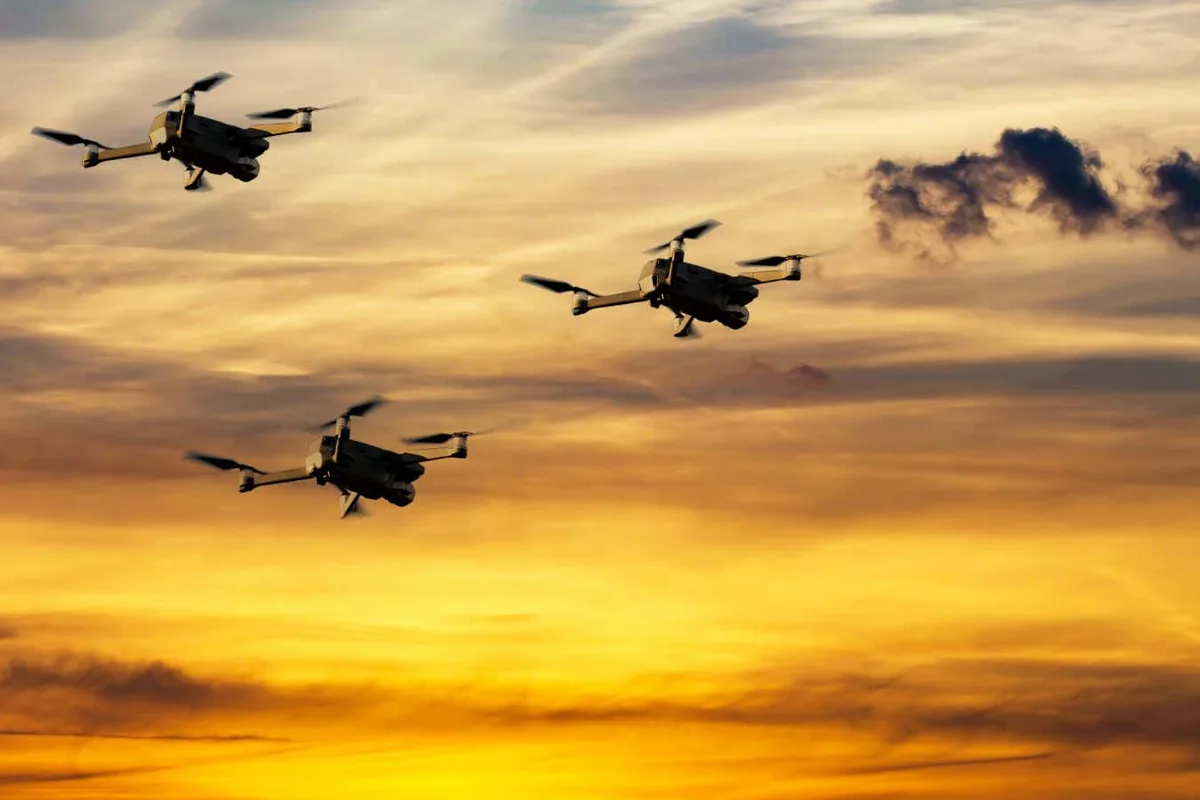
In June 2024, Ukrainian forces tested 10 fully autonomous quadcopter drones equipped with AI "Terminator mode" near Bakhmut and Chasiv Yar, resulting in the deaths of Russian soldiers and destruction of a truck [1, 2]. The drones operated without any human control or connection during their attack phase. As Alexander Kokhanovskyy described, "We just launch it and we know everything will be dead – everything that will be found there in this particular area will be dead. There is no connection to the drone at all, you cannot see the video, nothing… Everything it sees will be killed" [1].
After the attack, human-piloted drones were sent to assess damage and confirmed the presence of dead Russian soldiers and a destroyed vehicle [1, 2]. The test involved an unnamed Ukrainian military unit as part of a counteroffensive effort [1].
Ukraine currently prohibits the use of AI for the final targeting stage in combat drones, restricting such fully autonomous operations in practice. Ukrainian military commanders stress adherence to international humanitarian law, stating their pilots only use semi-autonomous systems with human involvement in critical decisions. An unnamed Ukrainian military commander said, "Our drone pilots only use semi-autonomous systems that always have humans making crucial control decisions. We exercise great care in decision-making in order to prevent civilian casualties" [2].
However, experts warn about the risks of fully autonomous weapon systems. Mariarosaria Taddeo pointed out they are "fully indiscriminate, whether the system sees a combatant, a child, an old person, it won't be able or won't be designed to discriminate, so civilians are going to be put in harm's way" [3]. Such concerns highlight the potential collateral dangers of removing humans from lethal targeting decisions.
No further fully autonomous drone strikes have been reported since the 2024 test. Ukrainian forces continue to emphasize human control in drone operations amid an ongoing conflict.