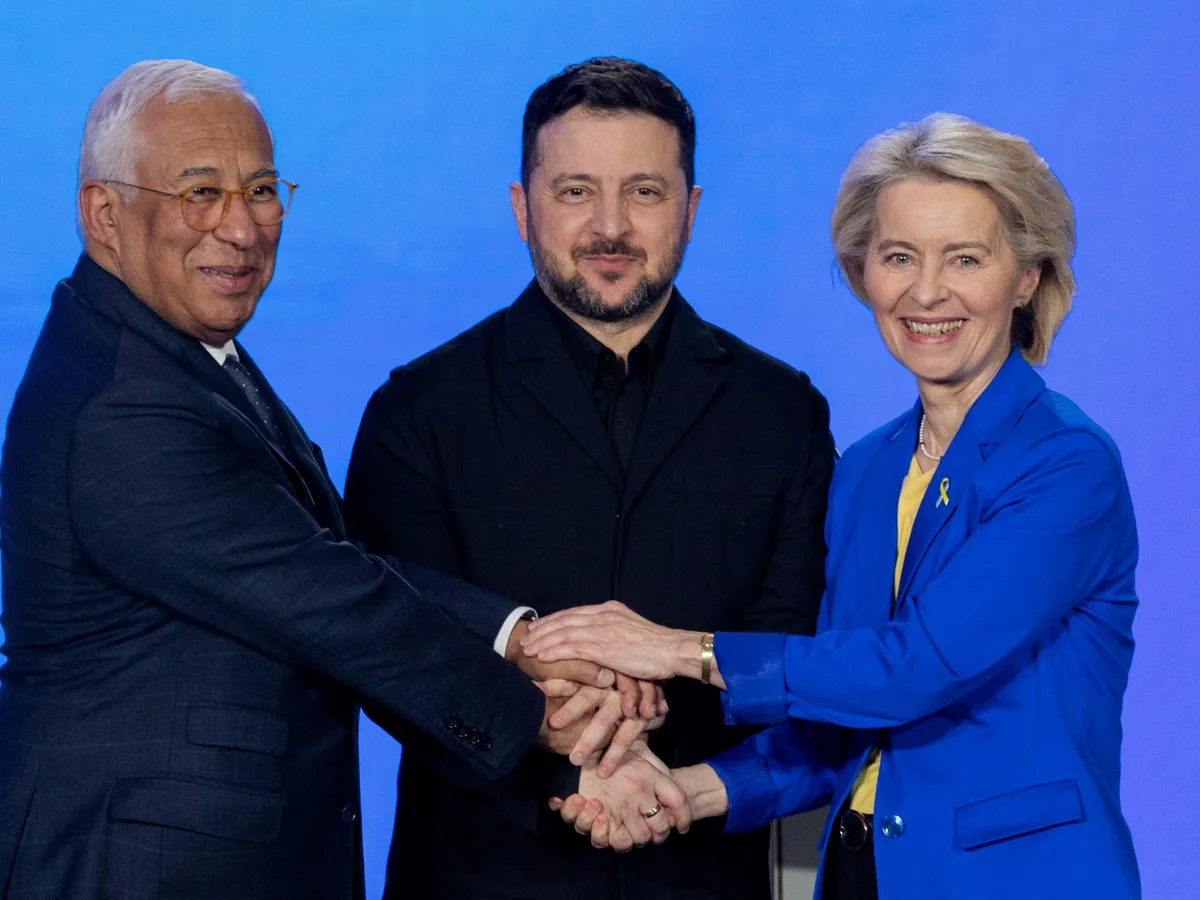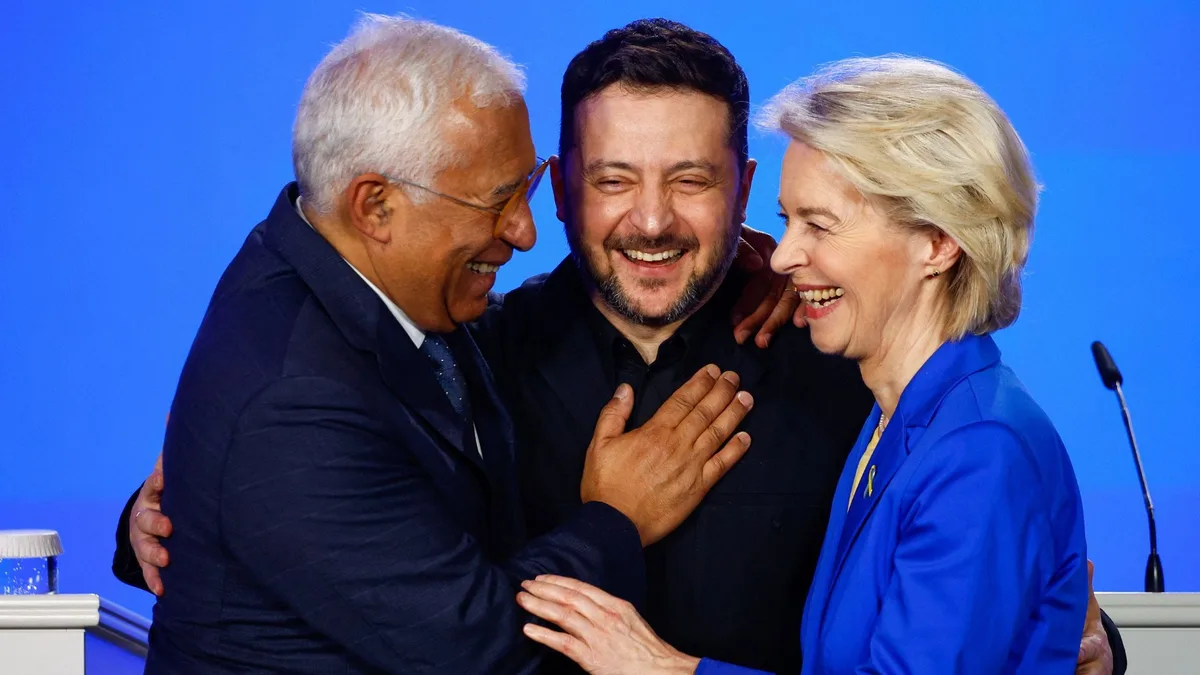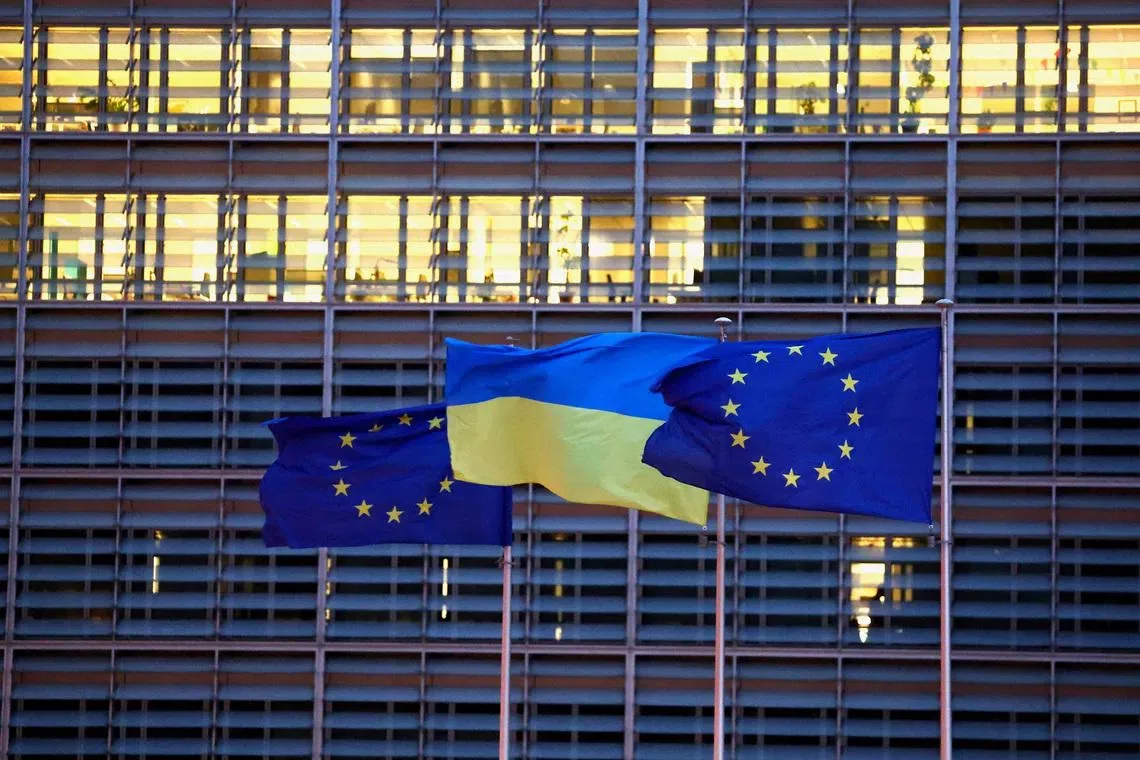
Ukraine and Moldova officially started the first phase of European Union membership accession talks on June 15, 2026, in Luxembourg, marking a significant milestone in their integration efforts [1, 2, 3, 4, 5, 6, 7, 8]. The opening cluster covers rule of law, democracy, judiciary reforms, fundamental rights, and public procurement [1, 2, 4, 5, 7, 8].
The accession negotiation process is expected to be lengthy and complex, encompassing 33 chapters grouped into six thematic clusters [4, 5, 7]. Ukraine must undertake major reforms to align its laws and institutions with the EU acquis, a task that will demand persistent efforts [1, 2, 3, 4, 5, 8].
The talks had been delayed for nearly two years due to a veto by Hungary's former Prime Minister Viktor Orban. In April 2026, Hungary's government changed, and Prime Minister Peter Magyar lifted the veto after reaching an agreement with Ukraine on protecting the rights of the ethnic Hungarian minority [1, 3, 4, 9, 5, 7]. However, Magyar stated Hungary does not support fast-tracking Ukraine’s EU membership and plans a referendum if accession chapters are closed [9, 5].
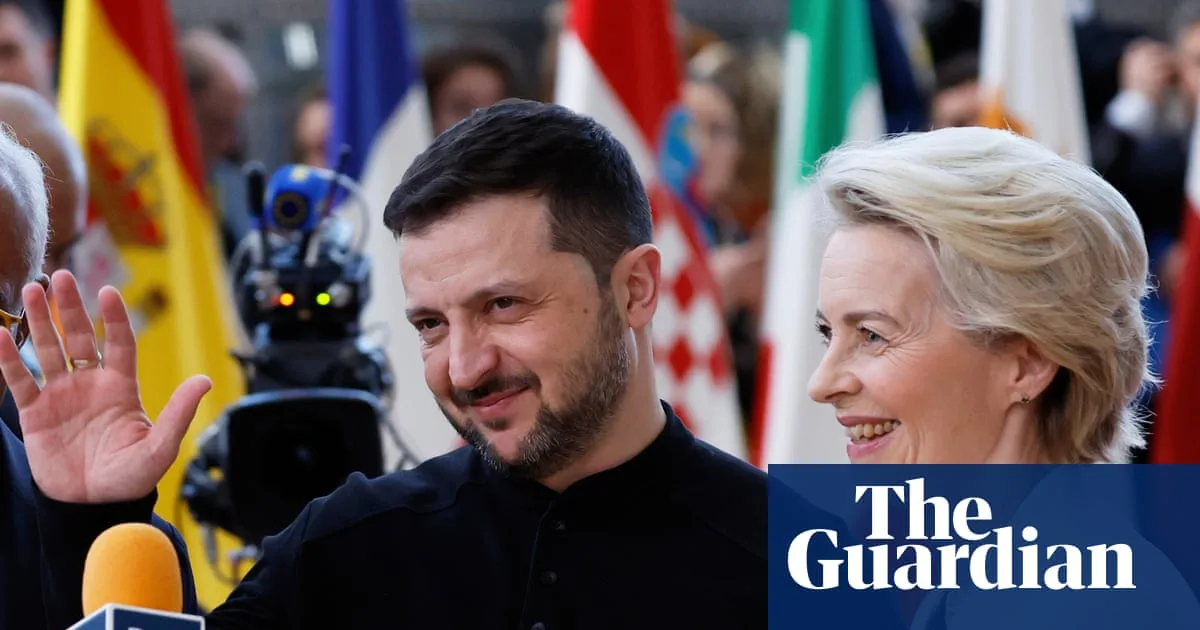
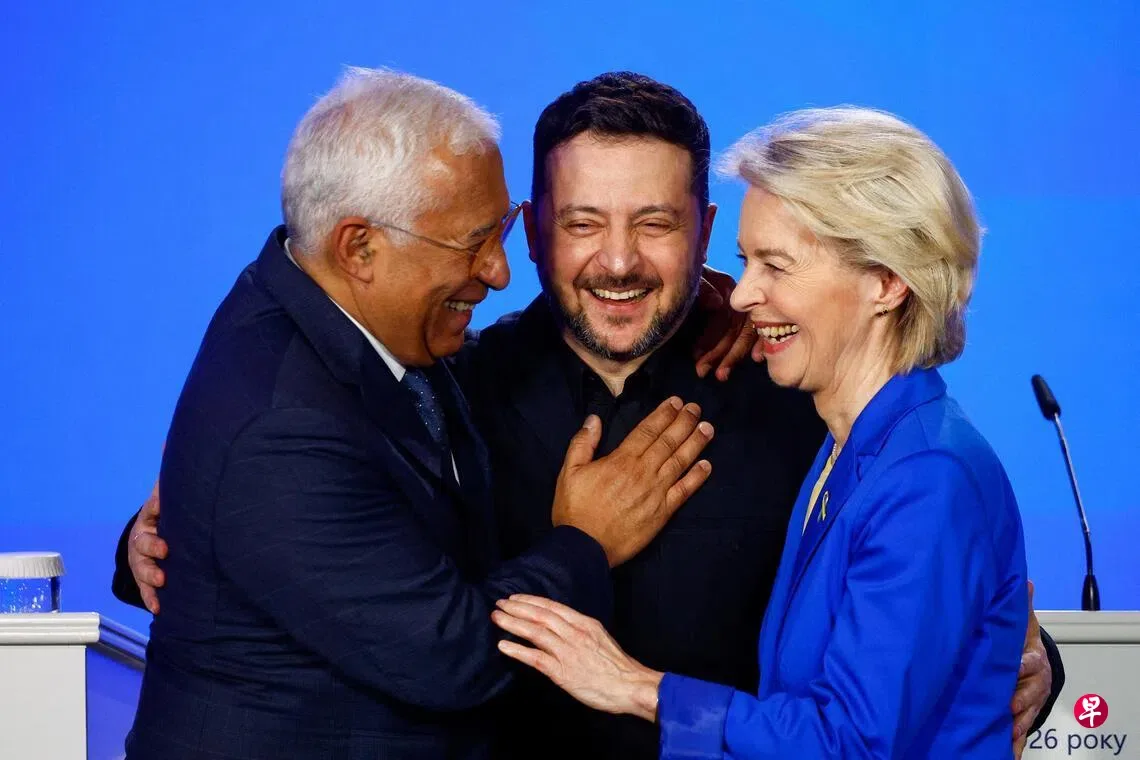
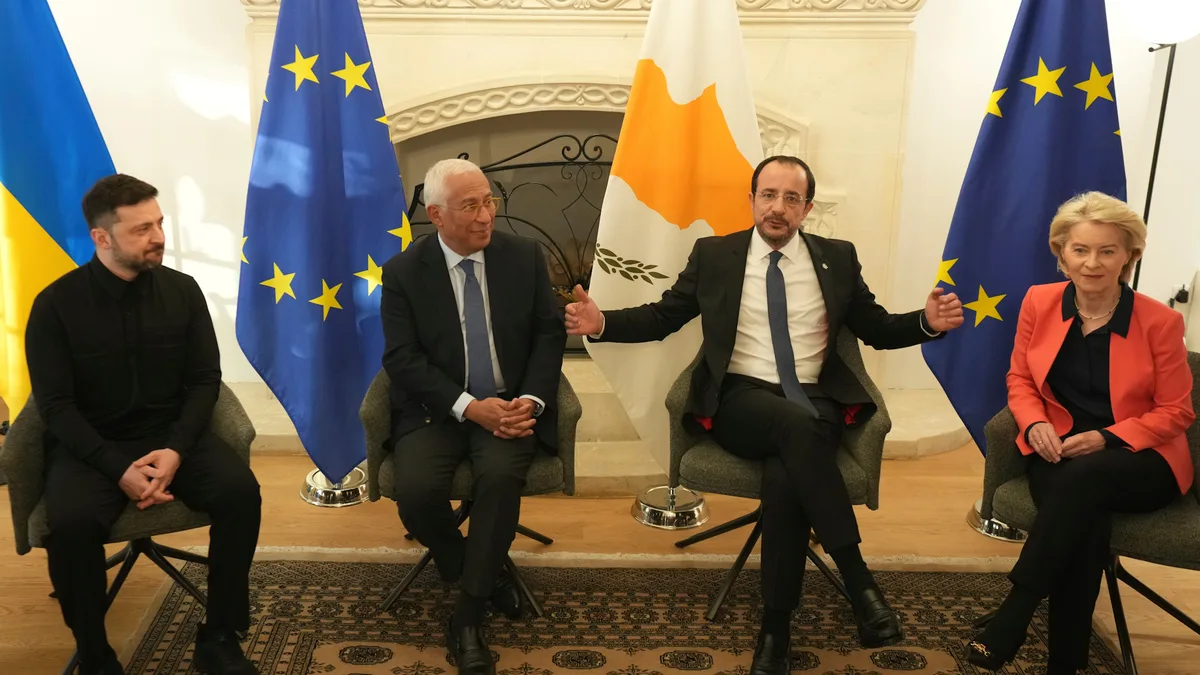
Ukrainian President Volodymyr Zelenskyy called the start of negotiations a "milestone" and "significant political and moral support". He emphasized, "Ukraine is doing what is necessary, and it is important that the EU is also keeping its word" [1]. EU Commission President Ursula von der Leyen praised all member states for agreeing to open the talks, saying, "Enlargement is a strategic choice. Determination, courage and hard work shown by both countries even in face of immense challenges" [8]. Portuguese Prime Minister António Costa described the negotiations as a historic step toward Ukraine’s EU future [4].
The accession talks are regarded as a strong demonstration of EU backing for Ukraine amid ongoing Russian aggression, which began in 2022 and accelerated Kyiv’s EU ambitions [1, 2, 4, 9, 5, 8]. Ukrainian Deputy Minister Taras Kachka described the process as "a Rubicon, a milestone... moment," reflecting Ukrainian society’s long-held EU aspirations [2].
EU member states unanimously decided on June 12, 2026, to open the first phase of accession talks with both Ukraine and Moldova [9, 5, 7]. The process officially launched three days later on June 15.
The negotiations will continue over the coming months and years as Ukraine and Moldova work to meet EU membership criteria across multiple complex areas.