The European Union is expected to officially propose its 21st round of sanctions against Russia today, targeting up to 90 Russian banks, crypto firms, oil traders, and the fishing sector, according to EU sources [1, 2, 3, 4].
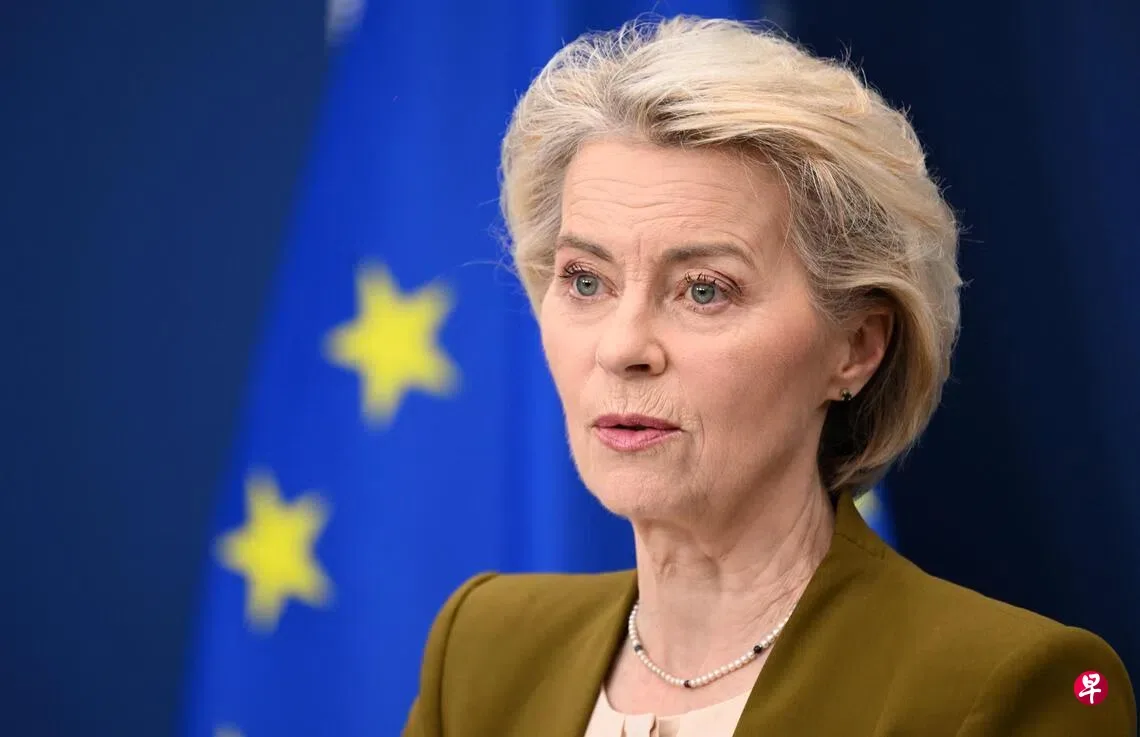
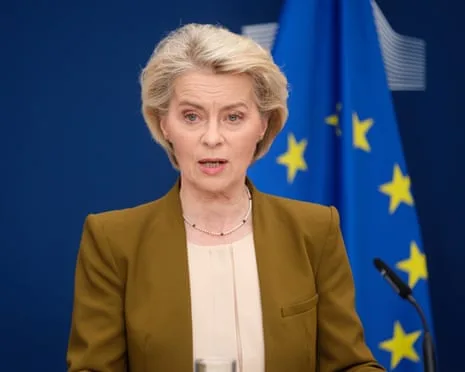
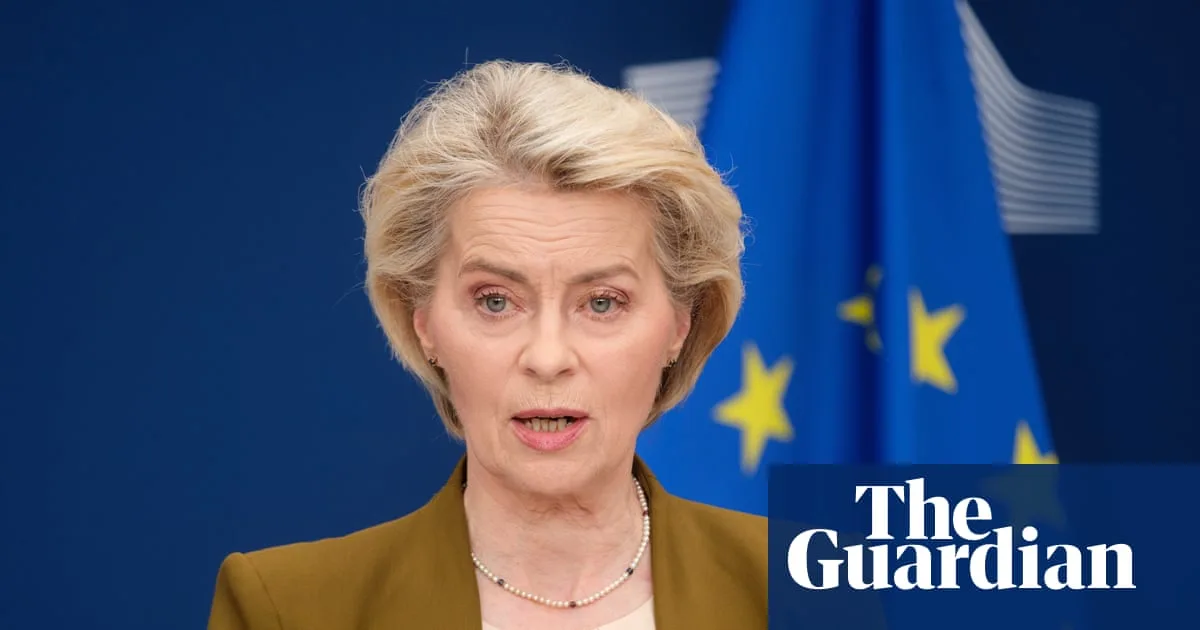
This latest package would raise the total number of sanctioned Russian banks to over 100 and include asset freezes, travel bans, and transaction bans on the targeted entities [1, 3, 4]. For the first time, the EU will propose an entry ban for anyone who has served in the Russian armed forces since the full-scale invasion of Ukraine in February 2022. EU Commission President Ursula von der Leyen said, "We propose for the first time to ban from entry into the European Union anyone who has served in the Russian armed forces since the beginning of the war. So Europe stays off limit for anyone who has participated in the invasion of Ukraine, as simple as that." [1, 2, 3, 4]
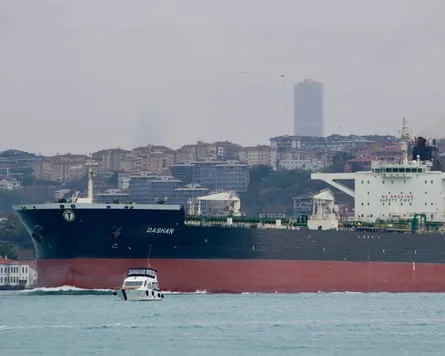
The EU also plans to maintain a price cap on Russian oil at $44 per barrel until January 2027 to limit Kremlin revenue [2, 3, 4]. The blacklist of the Russian "shadow fleet" of ships will expand by 30 vessels, adding to the 632 ships already sanctioned [2, 3, 4].
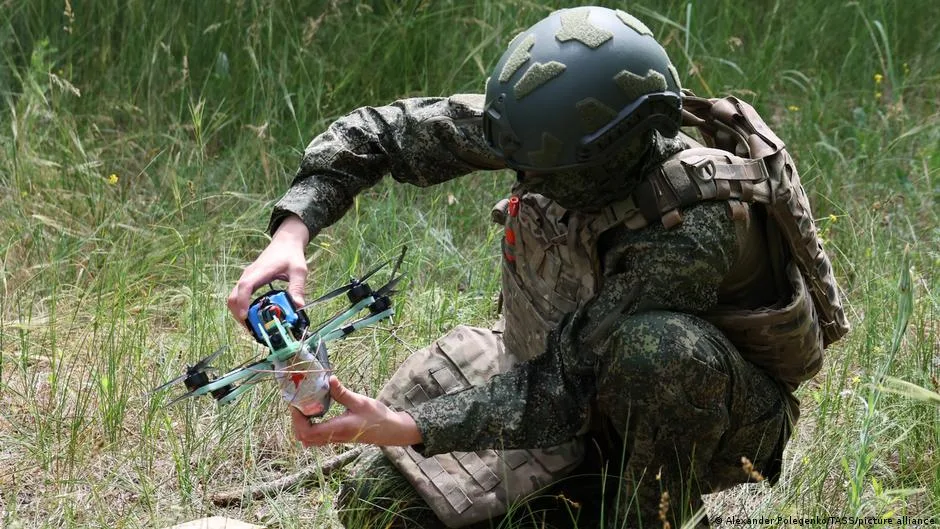
In addition, the sanctions will target metals and alloys used in Russia's aerospace and defense industries, aiming to choke off military supplies [3, 4].
EU foreign policy chief Kaja Kallas said the sanctions are systematically weakening Russia's war effort. "Brick by brick, we are collapsing the foundations of Russia's war economy," she said [3, 4]. Von der Leyen added, "Our sanctions keep biting hard and cutting deep. They are weakening the economic foundations of Russia’s war effort" [2].
Yesterday, Ukrainian President Volodymyr Zelenskyy met with Nordic and Baltic leaders at the NB8 summit in Tallinn, signaling ongoing regional coordination alongside EU measures [3, 4].
EU Commission President von der Leyen announced the sanctions proposal during a press event in Brussels on June 9 [2, 3, 4]. The formal proposal and voting on the sanctions package are scheduled for today, June 10, with EU capitals expected to officially adopt the new restrictive measures soon after [1].