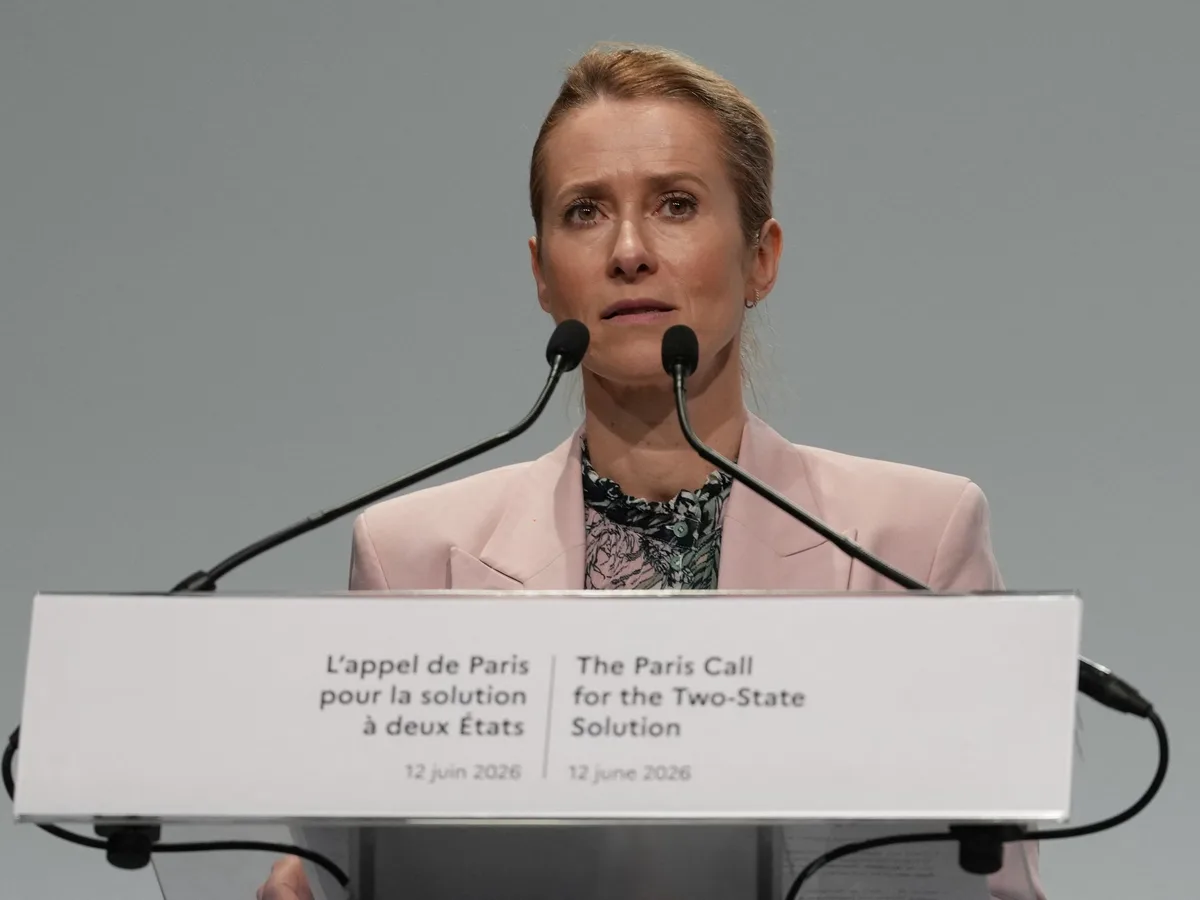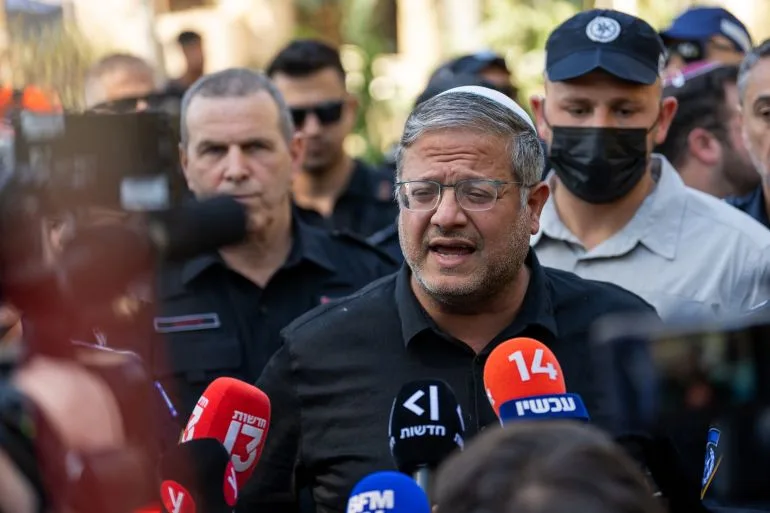
EU foreign ministers did not reach unanimity to approve sanctions against Israel's National Security Minister Itamar Ben-Gvir at the Foreign Affairs Council meeting on June 15, 2026 [1, 2, 3, 4, 5]. Many member states proposed sanctioning Ben-Gvir following a video he posted mocking activists detained while attempting to deliver humanitarian aid to Gaza in May 2026 [1, 2, 4, 5]. "Many member states have also proposed to sanction Minister Ben-Gvir, but no consensus on that was reached," Kaja Kallas said [1]. She added, "My consultations with the member states is that we don't have the necessary unanimity that we need for this decision" [3].
France banned Ben-Gvir from entry in May 2026, ahead of the EU meeting [1, 4, 5]. Italian prosecutors opened investigations related to Ben-Gvir over alleged abuses involving detained activists [1, 2, 4, 5]. Some reports indicate Germany, Austria, and the Czech Republic opposed imposing EU-wide sanctions, though others did not specify which states blocked consensus [1, 2, 3, 4, 5]. The EU requires unanimity among all 27 member states to impose sanctions [2, 5].
At the same Foreign Affairs Council, ministers discussed the broader Middle East situation including Gaza, the West Bank, Lebanon, and the US-Iran nuclear agreement [3]. Kallas said she will request the European Commission prepare options for trade restrictions targeting goods from illegal settlements in the occupied West Bank ahead of the next Council meeting [2]. She said, "I will convey this request and ask the Commission to prepare, ahead of the next Foreign Affairs Council, a list of options for possible trade measures, including measures aimed at preventing imports of goods originating from illegal settlements" [2].
The EU is expected to revisit potential trade restrictions and sanctions at its next Foreign Affairs Council session, aiming to find a common position to address concerns related to Israel's policies and regional stability [2, 5].