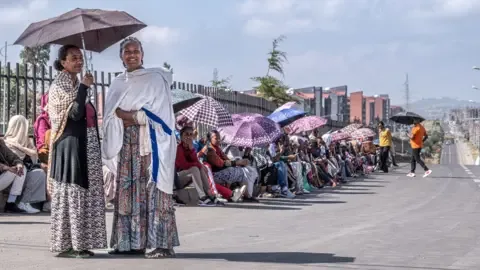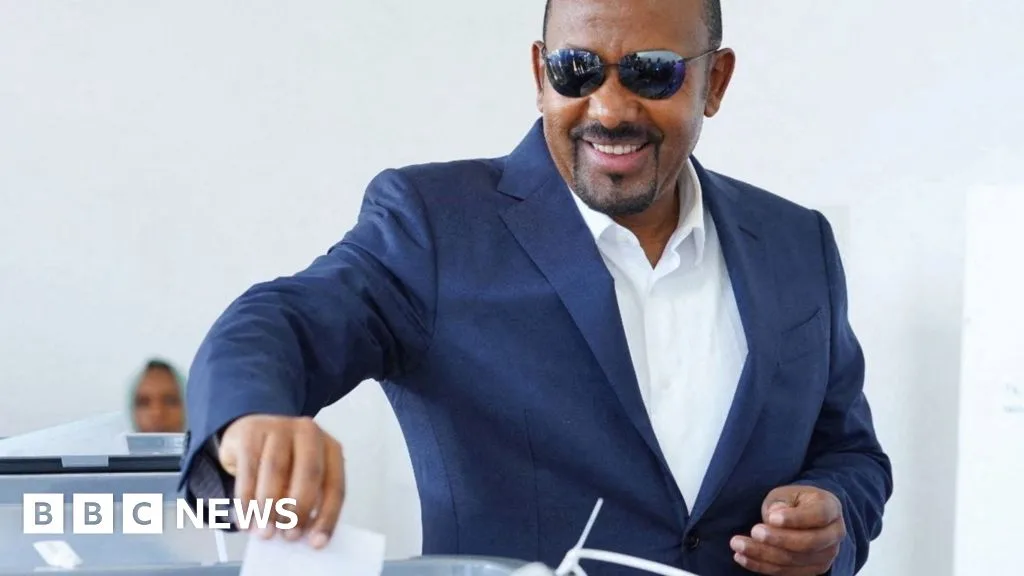
Ethiopia's Prosperity Party won 438 seats out of approximately 486 to 501 declared seats in the general election held on June 1, 2026, securing roughly 90% of the contested seats nationwide [1, 2, 3]. The vote covered 501 of 547 constituencies, with around 40 million of the country’s 54 million registered voters participating, according to Melatwork Hailu [2].
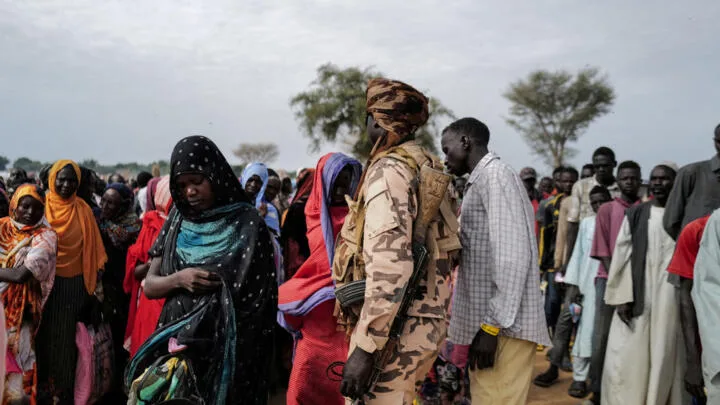
The election saw disruptions in parts of the country, with 143 polling stations failing to open due to security concerns in the Amhara and Oromia regions [1, 2]. Officials confirmed no voting took place in the Tigray region because of ongoing instability and risks of renewed conflict [1, 3]. Ethiopia continues to face insurgencies and widespread unrest in Amhara, Oromia, and Tigray, posing significant challenges to the electoral process [1, 3].
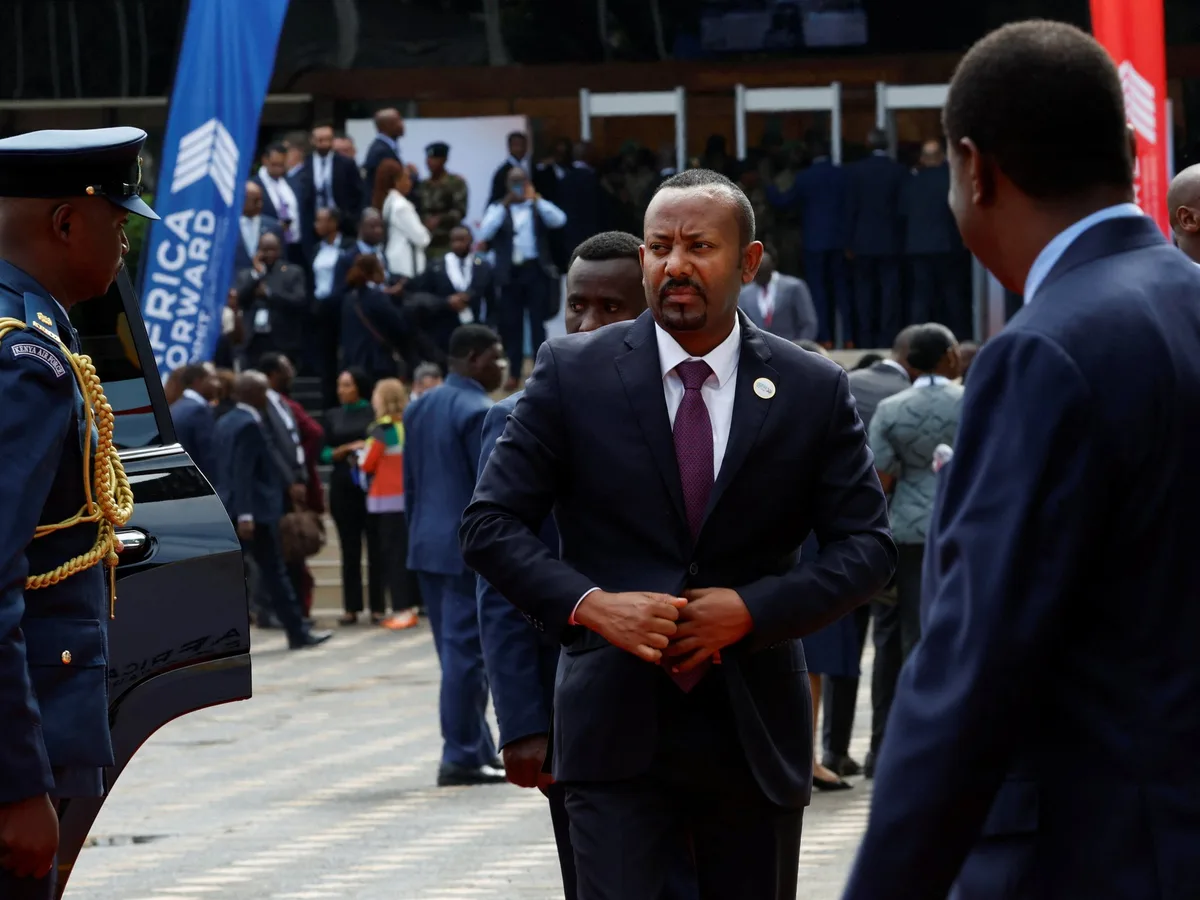
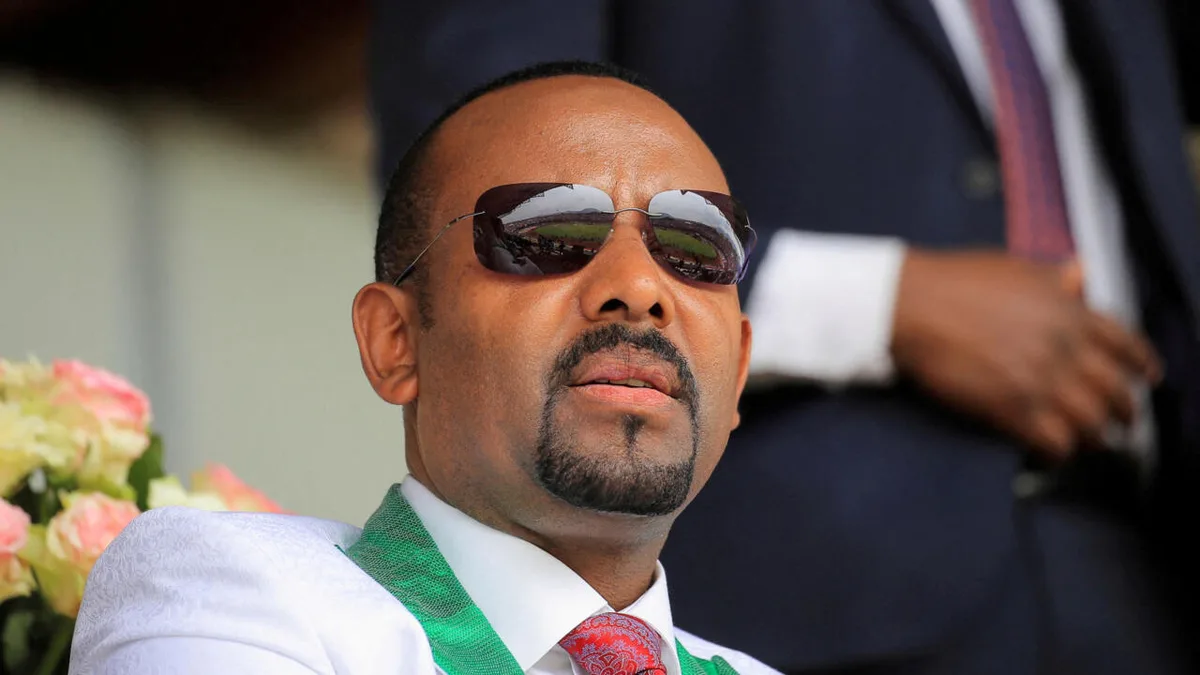
The opposition was weak and divided, and many constituencies went uncontested, contributing to the Prosperity Party's dominant result [2, 3]. The party is led by Prime Minister Abiy Ahmed, who won the Nobel Peace Prize in 2019 for his role in ending hostilities with Eritrea [1, 3].
Abiy Ahmed is expected to be sworn in for another term as prime minister in early October 2026 [1]. The vote marked a key political milestone despite ongoing security disruptions and regional instability.
The formal announcement of the new parliament’s full composition is awaited as authorities work to resolve disputed seats and address areas where voting was impossible due to conflict.