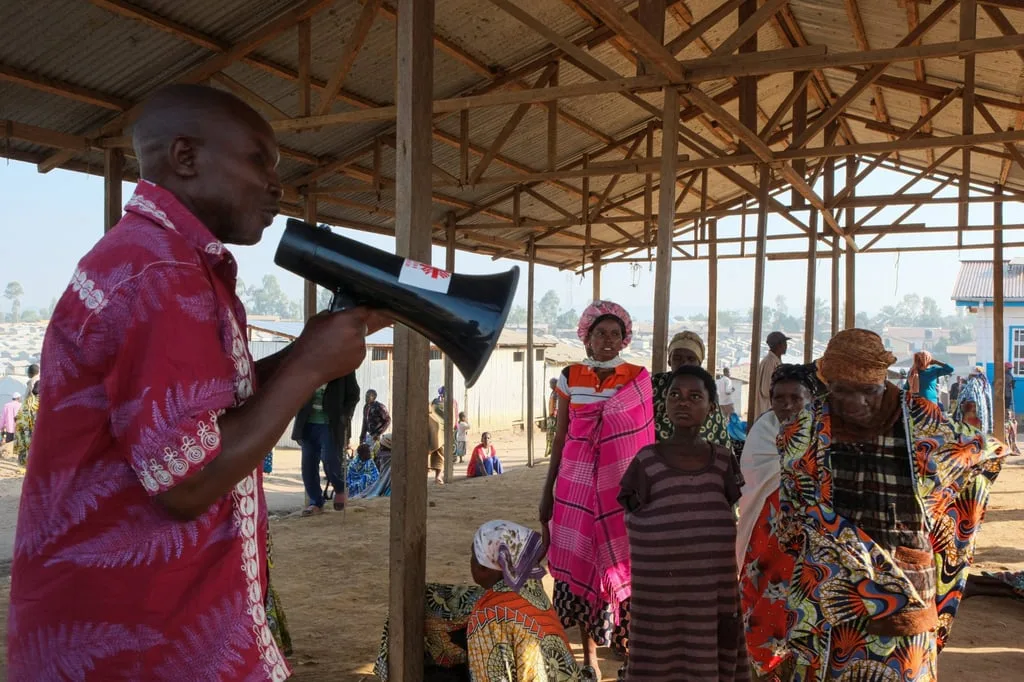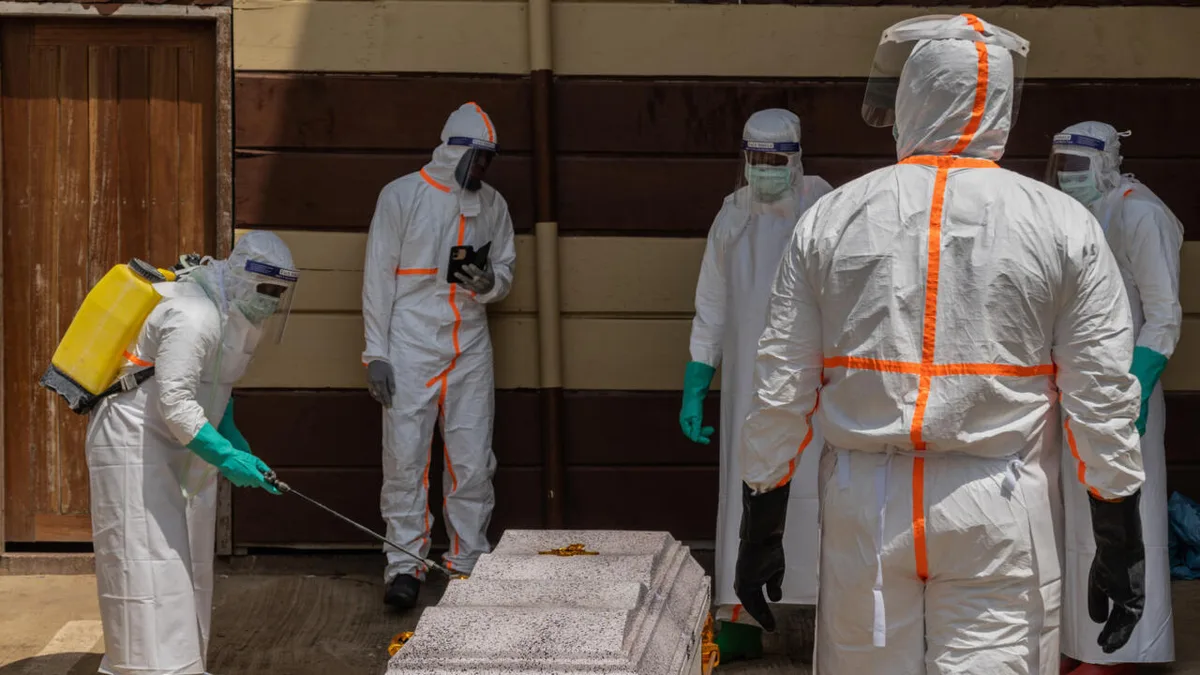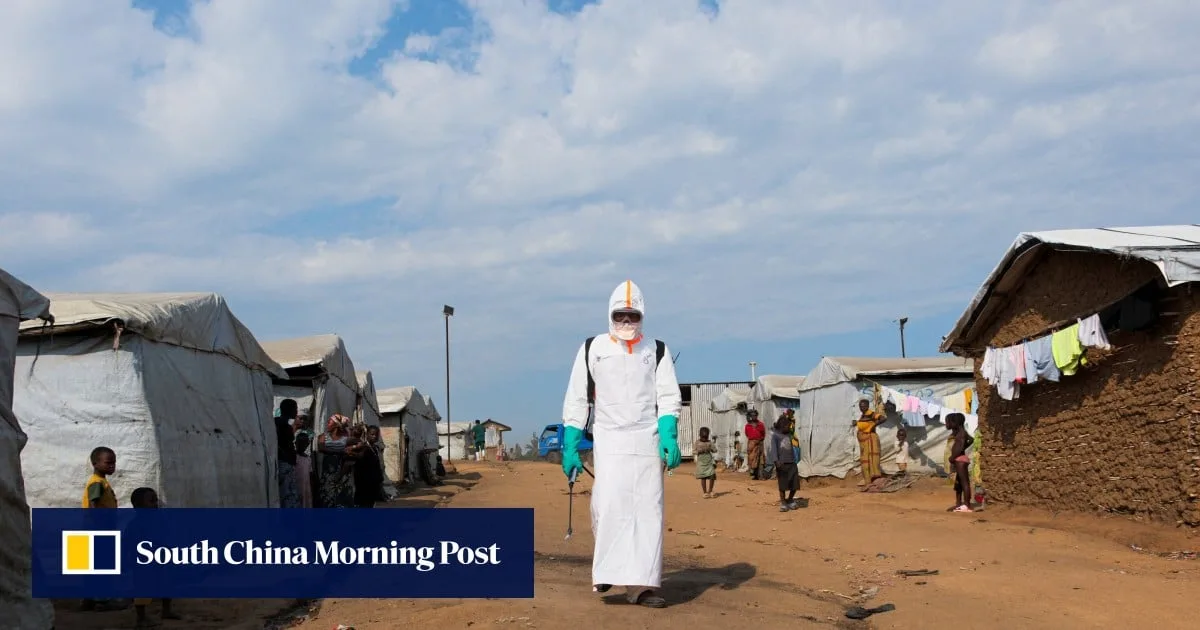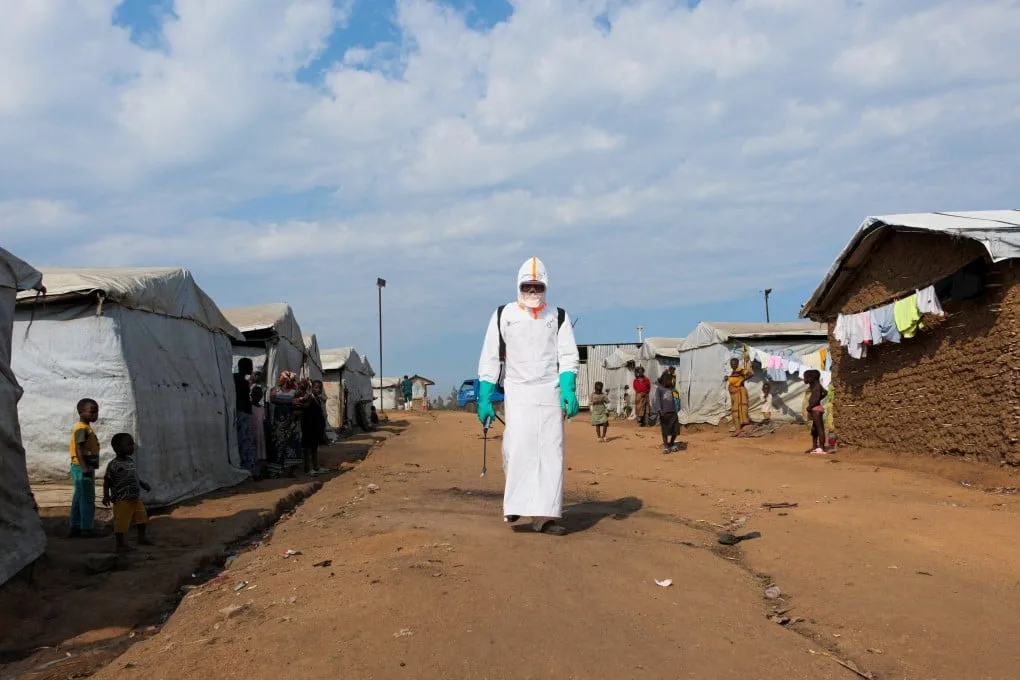
The Democratic Republic of Congo officially declared an Ebola outbreak on May 15, 2026, but the virus had been spreading undetected beforehand [1, 2, 3, 4, 5].
As of June 19-20, health authorities report about 896 confirmed Ebola cases and 232 deaths across 33 health zones, primarily in eastern provinces [1, 2, 3, 4, 5]. Over 90% of cases are concentrated in the conflict-affected Ituri province, with additional spread noted in North Kivu and South Kivu [2, 3, 4, 5].
The outbreak involves the rare Bundibugyo strain of Ebola, for which no vaccine or specific treatment currently exists [1, 2, 3]. Public health teams have responded by expanding treatment beds from zero to more than 500 and scaling up contact tracing, but the virus continues to spread rapidly [2, 3].
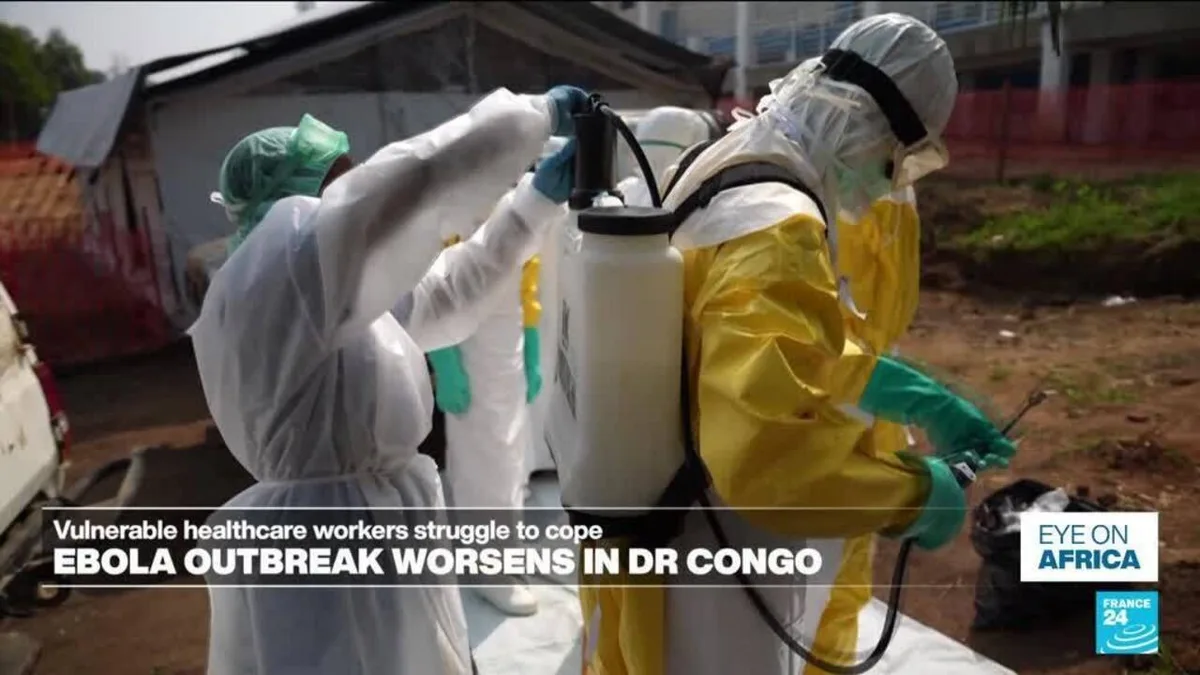
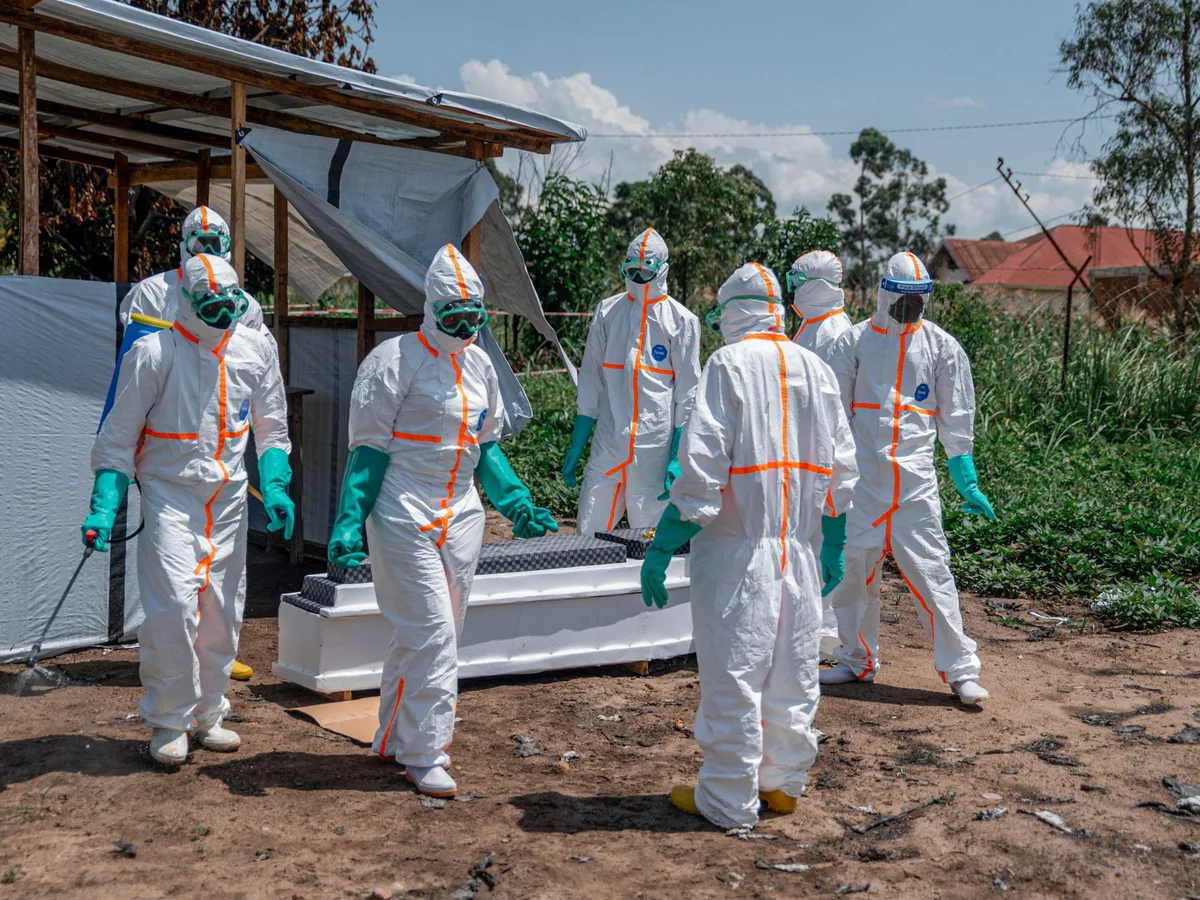
Healthcare workers have faced a heavy toll, with at least 75 infected and 17 deaths reported since the outbreak began. Marie-Roseline Belizaire, WHO Emergency Director, said, "It is a really high price that the healthcare system is paying, because we don’t have enough of healthcare workers in DRC" [1, 5]. The overall health system is strained from years of conflict, displacement, and underfunding, complicating control efforts [1, 5].
At least 30 deaths exhibiting Ebola-like symptoms occurred in June at Camp Kigonze displaced persons camp in Bunia (Ituri), home to over 15,000 people, raising fears of undetected transmission among vulnerable displaced populations. A camp spokesperson said, "People didn’t just die like this before" [6]. Resistance to testing and poor sanitation in camps remain major hurdles to containment [6, 4, 5]. Some patients delayed seeking care, opting for traditional healers or staying home, further hampering early detection [3, 5].
Neighboring Uganda has recorded 19 Ebola cases and 2 deaths but has not reported any new infections for 12 days as of June 19, signaling slower transmission across the border [1, 4]. WHO and international partners, including China and Uganda, have deployed medical teams and supplies to assist DR Congo's outbreak response [1, 4].
DR Congo Health Minister Roger Kamba said, "Our priority is to detect cases quickly, treat the sick free of charge and raise awareness so that the population collaborates with the response teams. The disease exists, but it can be defeated if everyone plays their part" [5]. WHO Africa emergencies chief Marie-Roseline Belizaire added, "The outbreak remains serious and is evolving very fast. However, I have seen a response that is growing stronger every day" [2].
The situation continues to evolve, with ongoing efforts focused on improving case detection, expanding treatment capacity, and addressing community resistance to testing to slow transmission in eastern DR Congo.