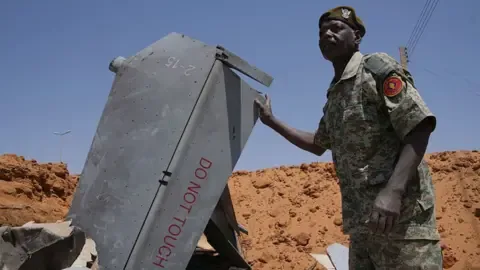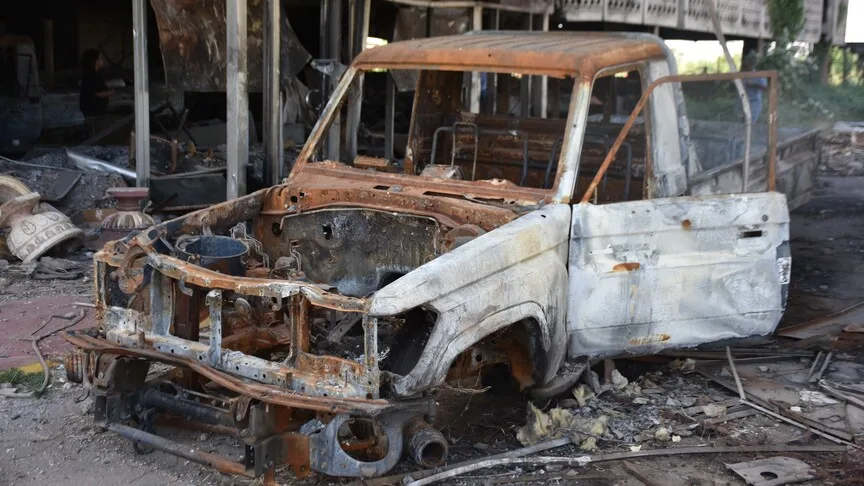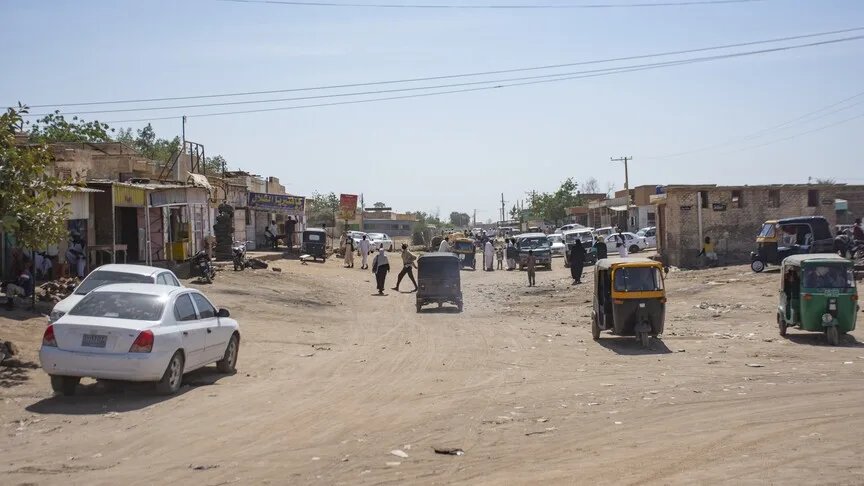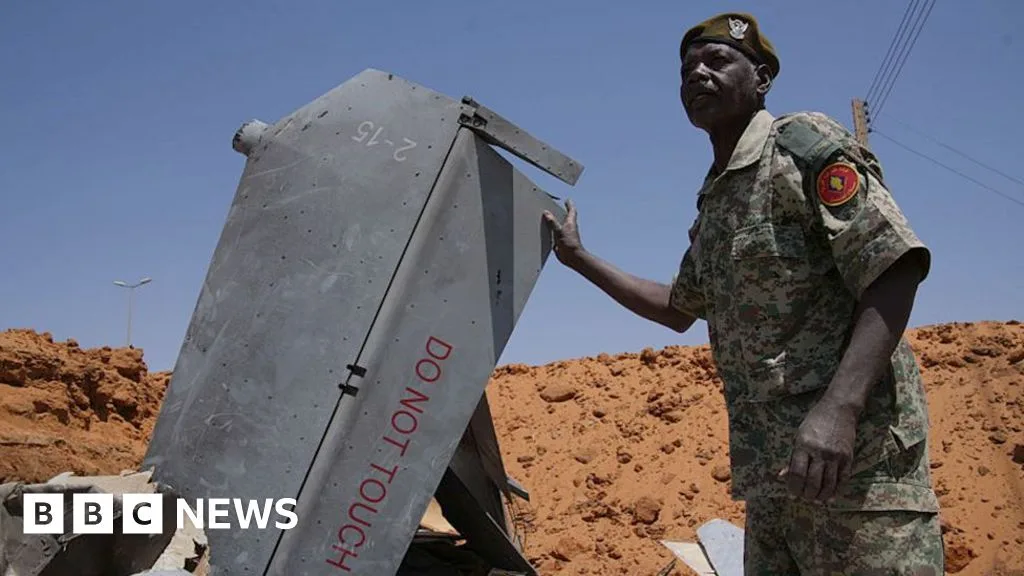
Drone strikes by the Rapid Support Forces (RSF) hit civilian sites in El-Obeid, Sudan, killing at least 23 people and injuring 19 between June 9 and 11, 2026, according to multiple sources. [1, 2, 3, 4]
A funeral procession at Dalil cemetery was struck on June 10, killing four civilians and injuring seven, amid separate drone attacks on residential neighborhoods, an army base, a fuel station, and a supply truck. [1, 3, 4] The strikes caused roofs to collapse on houses, leaving survivors fearing no one could have lived, a resident told the BBC. [1]
Reports indicate the initial June 9 strike killed five civilians and injured 12, while additional attacks around June 10-11 killed at least 13 more civilians near damaged homes and military sites in El-Obeid. [1, 4] The Sudan Doctors Network condemned the repeated attacks as "a grave violation of international humanitarian law." [3]
The Emergency Lawyers group also denounced the drone strikes, stating the targeting of civilians and civilian infrastructure amounted to serious breaches of international law. [4] Rights groups blame the RSF for the attacks on these mainly civilian areas. [1, 2, 3, 4]
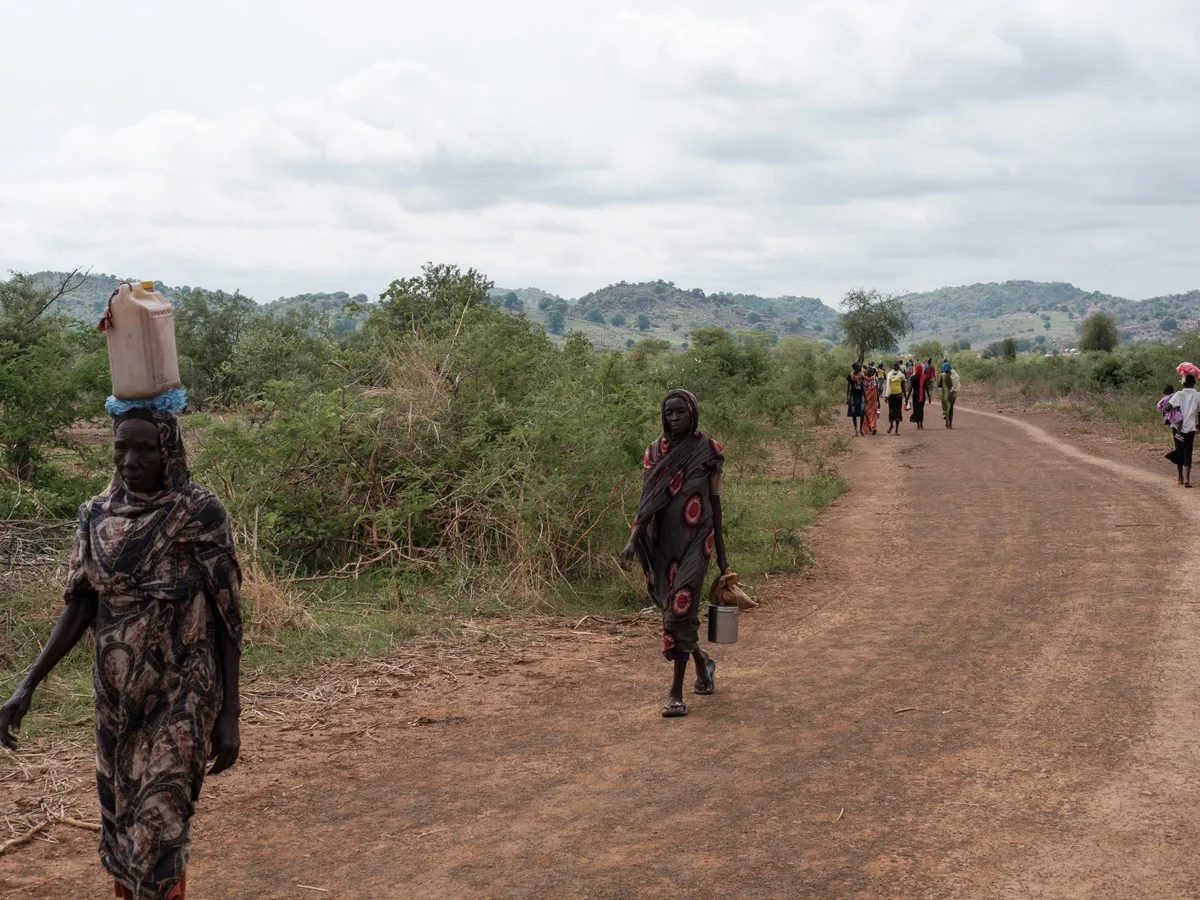
Fighting between the Sudanese army and the RSF began in April 2023 and has caused a large humanitarian crisis, with approximately 13 million people displaced and tens of thousands killed. [1, 2, 3, 4] El-Obeid is a strategic city in North Kordofan, controlling key oil supply routes, which contributes to the ongoing conflict there. [1, 2]
The United Nations reported 880 civilians were killed in drone strikes across Sudan from January to April 2026. [2, 4]
The latest attacks in El-Obeid mark one of the deadliest concentrated drone strike episodes in recent weeks. Emergency services and human rights groups continue to document casualties and call for accountability. Further drone strikes and clashes between the RSF and Sudanese army remain ongoing.