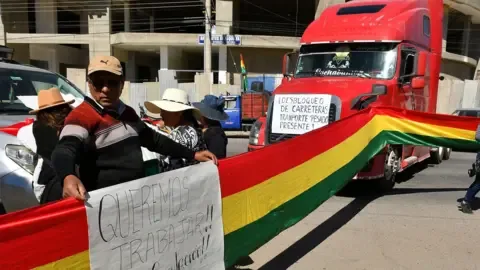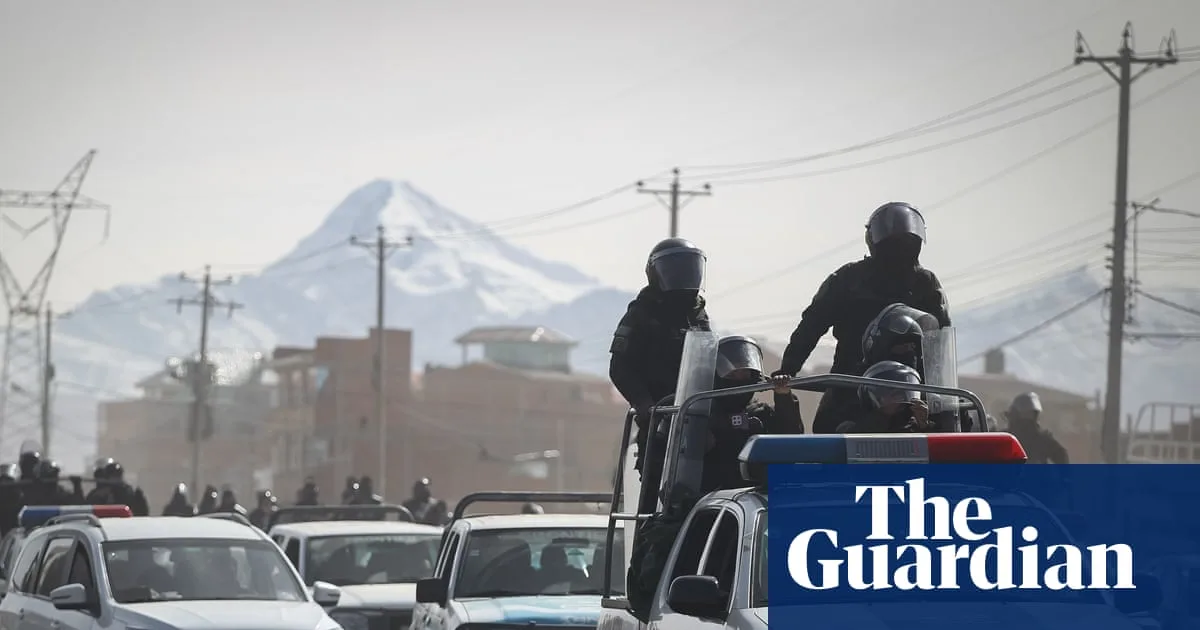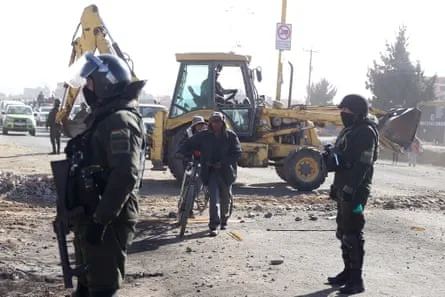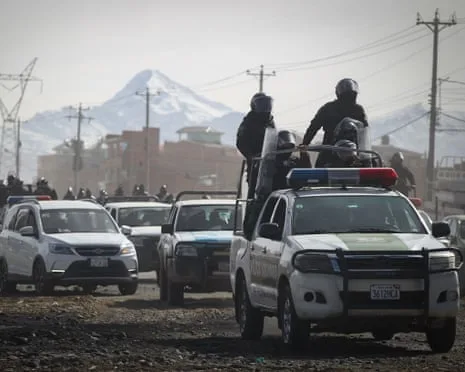
Bolivian President Rodrigo Paz declared a state of emergency on June 20, granting the military broader powers to support police in removing road blockades and restoring order across the country [1, 2, 3, 4, 5, 6]. The emergency decree lasts 90 days and aims to reopen roads disrupted by protests that began nearly 50 days ago [1, 2, 3, 5]. The Legislative Assembly approved the decree on June 21, within the required 72-hour period for congressional review [1, 3, 4].
The protests started in late April or early May after the government cut long-standing fuel subsidies to reduce the fiscal deficit amid a worsening dollar shortage and International Monetary Fund talks [1, 3, 7, 6]. Demonstrators include unions, Indigenous groups, farmers, and coca growers, demanding the reinstatement of fuel subsidies, wage increases, and President Paz’s resignation [1, 2, 3, 5]. Some also call for increased education funding [8].
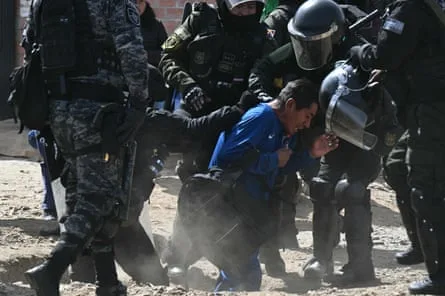
Blockades severely disrupted supply chains, causing shortages of fuel, food, medicines, and oxygen in many parts of the country including La Paz [1, 2, 5, 9]. At least 17 people have died during the protests, many linked to lack of medical care because of disrupted supplies. Clashes between security forces and protesters resulted in at least 365 arrests and 37 injuries [5, 9].
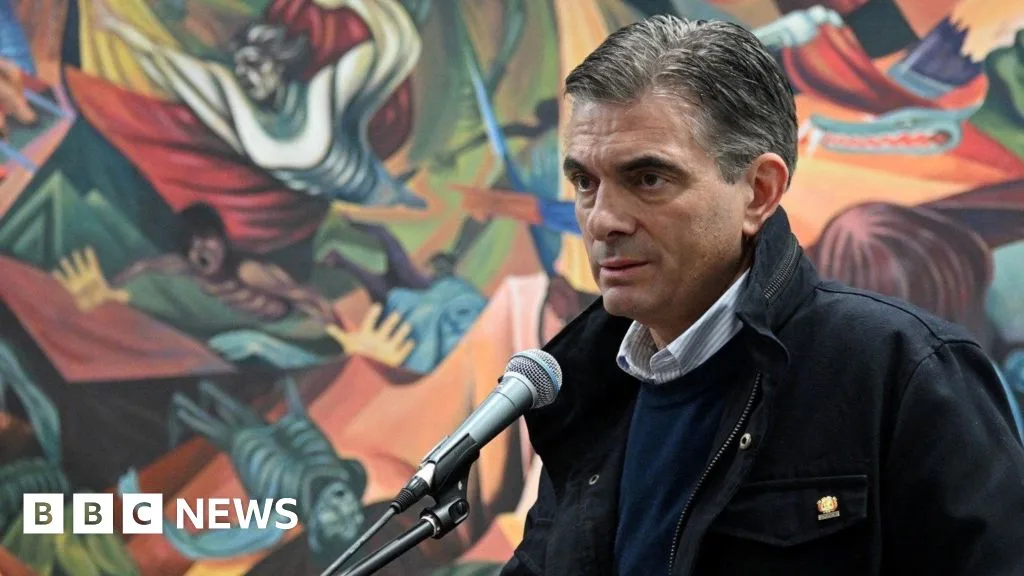
President Paz accused former left-wing President Evo Morales of orchestrating the protests, an accusation Morales denies [1, 3, 6]. Paz emphasized that the emergency is meant to restore order, not restrict freedoms, saying, "Bolivians cannot continue to be hostages of blockades that prevent working, studying, receiving medical attention..." and "This is not a state of emergency to restrict people’s lives… It is a state of emergency to give freedom back to the people" [1, 2, 5, 6].
Prior to the emergency, Paz took other measures including withdrawing unpopular land reforms, cutting presidential and cabinet salaries by half, and promising further negotiations [1, 3]. On June 19, he reached an agreement with the largest union, the Bolivian Workers’ Confederation (COB), to ease tensions and lift some protests, although some Indigenous and rural groups pledged to continue blockades [1, 2, 3, 7, 5].
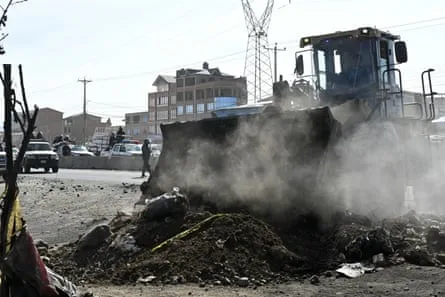
Authorities reported no active road blockades as of June 21 but noted cleanup and repair efforts continue [4, 9]. The state of emergency legally prohibits blockades that disrupt transportation and supplies, allowing the military to back police in enforcing this for the next 90 days [2, 3, 5, 9]. Congress must continue to oversee the decree during this period [1, 3].