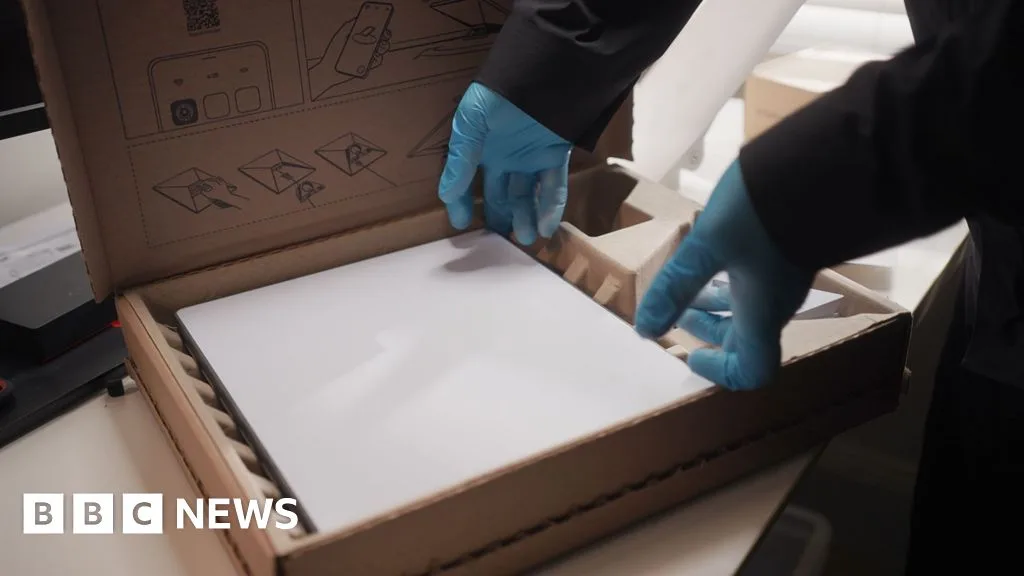
BBC says a clandestine network is smuggling Starlink satellite internet gear into Iran to help people get online during a blackout that began after U.S. and Israeli airstrikes on 28 February. [1]
The report says Iran has now been in digital darkness for more than two months and is facing one of the longest national internet shutdowns ever recorded worldwide. Starlink terminals and routers connect users to satellites owned by Elon Musk's SpaceX. [1]
One smuggler, identified by the BBC as Sahand, said several people can connect to each Starlink terminal at the same time. He said he has sent a dozen Starlink devices to Iran since January and described the effort as worth it if it helps even one more person get access. “If even one extra person is able to access the internet, I think it's successful and it's worth it,” Sahand said. [1]
Sahand said the risk is severe because of the Iranian authorities' response. “If I was identified by the Iranian regime, they might make those I'm in touch with in Iran pay the price,” he said. He also said smugglers try to “smuggle them through the borders” and are “actively looking for other ways to smuggle in more.” [1]
The BBC report said a witness estimated in January that there were at least 50,000 Starlink terminals in Iran. It also said Iran passed a law last year making the use, buying or selling of Starlink devices punishable by up to two years in prison. [1]
The report comes after a previous digital shutdown in January 2025, when internet access was partially restored for about a month following a deadly crackdown on nationwide protests. The BBC said that crackdown left more than 6,500 people killed and 53,000 arrested. [1]
The next concrete milestone in the report is the legal risk now facing users and smugglers under Iran's law, which carries prison terms of up to two years for using, buying or selling Starlink devices. [1]