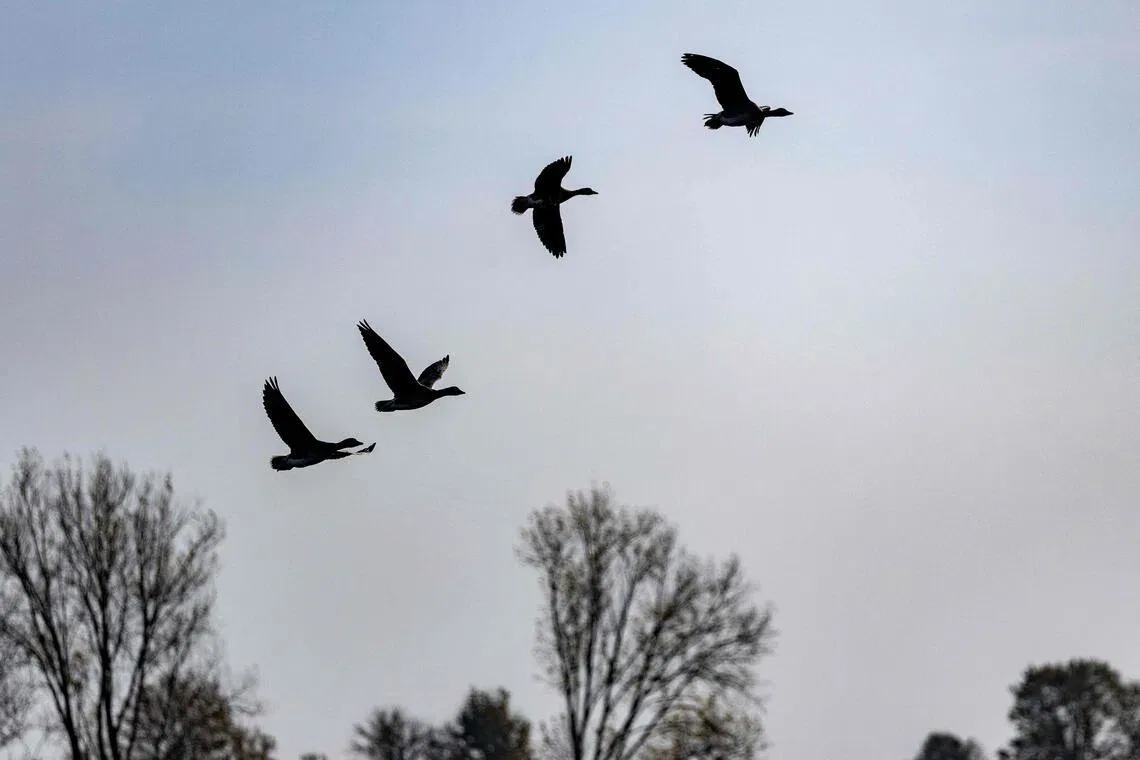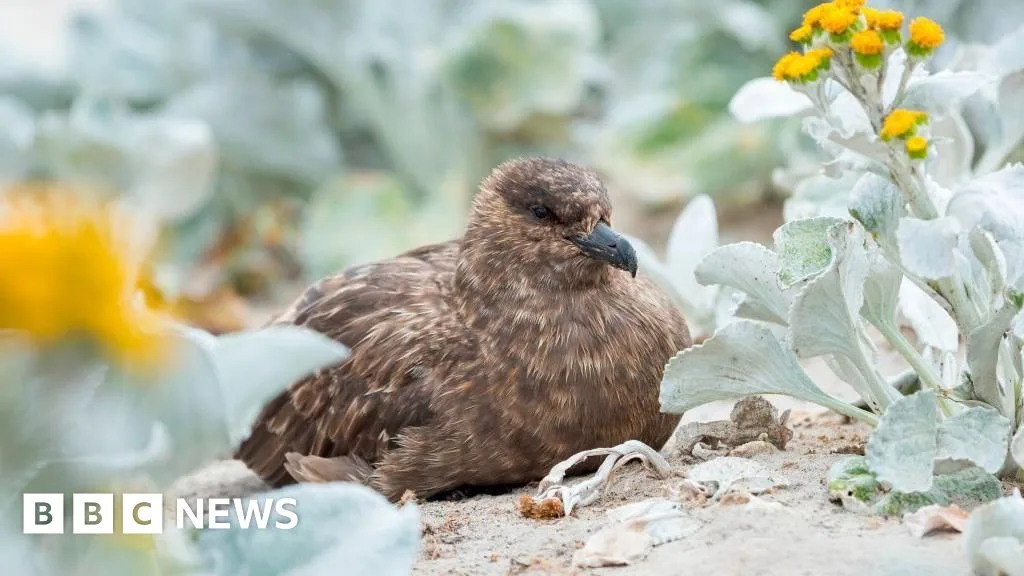
Australia confirmed its first mainland case of the highly contagious H5N1 bird flu strain in a migratory brown skua found in Cape Le Grand National Park, about 700 kilometers southeast of Perth in Western Australia [1, 2, 3, 4]. Authorities announced the positive test results on June 20, following the initial discovery of the sick bird on June 14 [4, 3].
Another bird, a southern petrel (also called a giant petrel), found in the same area is being tested for the virus [1, 2]. The detection marks the first time H5N1 has been confirmed on Australia’s mainland, after previously being detected on remote territories such as Heard and McDonald Islands since October 2025 [1, 4].
The presence of H5N1 in Australia means the virus has now been found on every continent [1, 3, 4]. The virus likely arrived via migratory birds traveling from sub-Antarctic islands like the French-owned Crozet Islands [1].
H5N1 has caused large die-offs of seals and penguins on Heard Island near Australia since August 2025. An estimated 13,000 seals have died out of a population of about 17,000 there [1]. In contrast, there is currently no evidence of mass mortalities or infections in poultry on the Australian mainland [1, 3].
Prime Minister Anthony Albanese called the detection concerning but emphasized that preparations were already in place. “This is something that has happened through migratory birds, and has happened by definition around the world, and this is why we are preparing for this,” he said [3].
Julie Collins, Agriculture Minister, said, “We all knew we couldn't be bird flu-free forever” [1]. Western Australia Agriculture Minister Jackie Jarvis added, “We are taking the suspected case of H5 bird flu seriously. If this is confirmed H5 bird incursion, there will be a rapid and coordinated national response” [2].
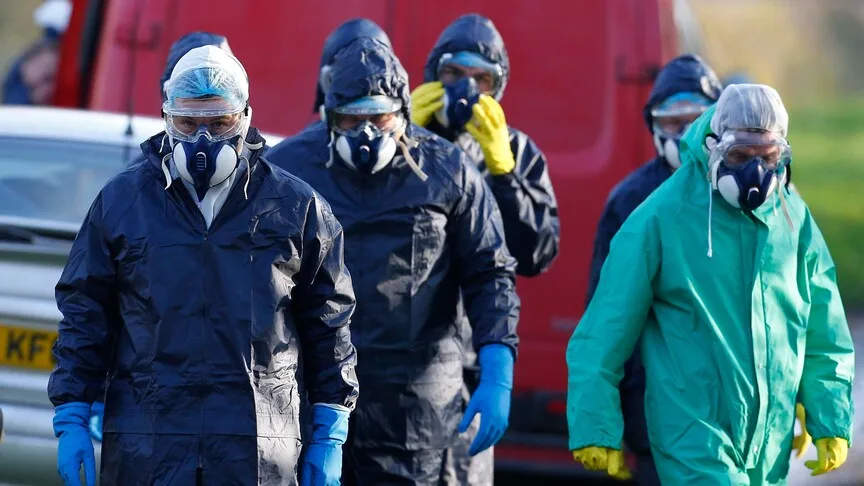
Authorities have increased biosecurity, surveillance, vaccination of vulnerable species, and emergency plans ahead of this development [1, 2, 3, 4]. H5N1 primarily infects birds but can occasionally infect mammals including foxes, seals, and rarely humans [1, 4].
Further testing of birds found sick in the area will continue to determine the virus's spread. Monitoring and containment efforts remain underway to limit H5N1’s impact on wildlife and agriculture.