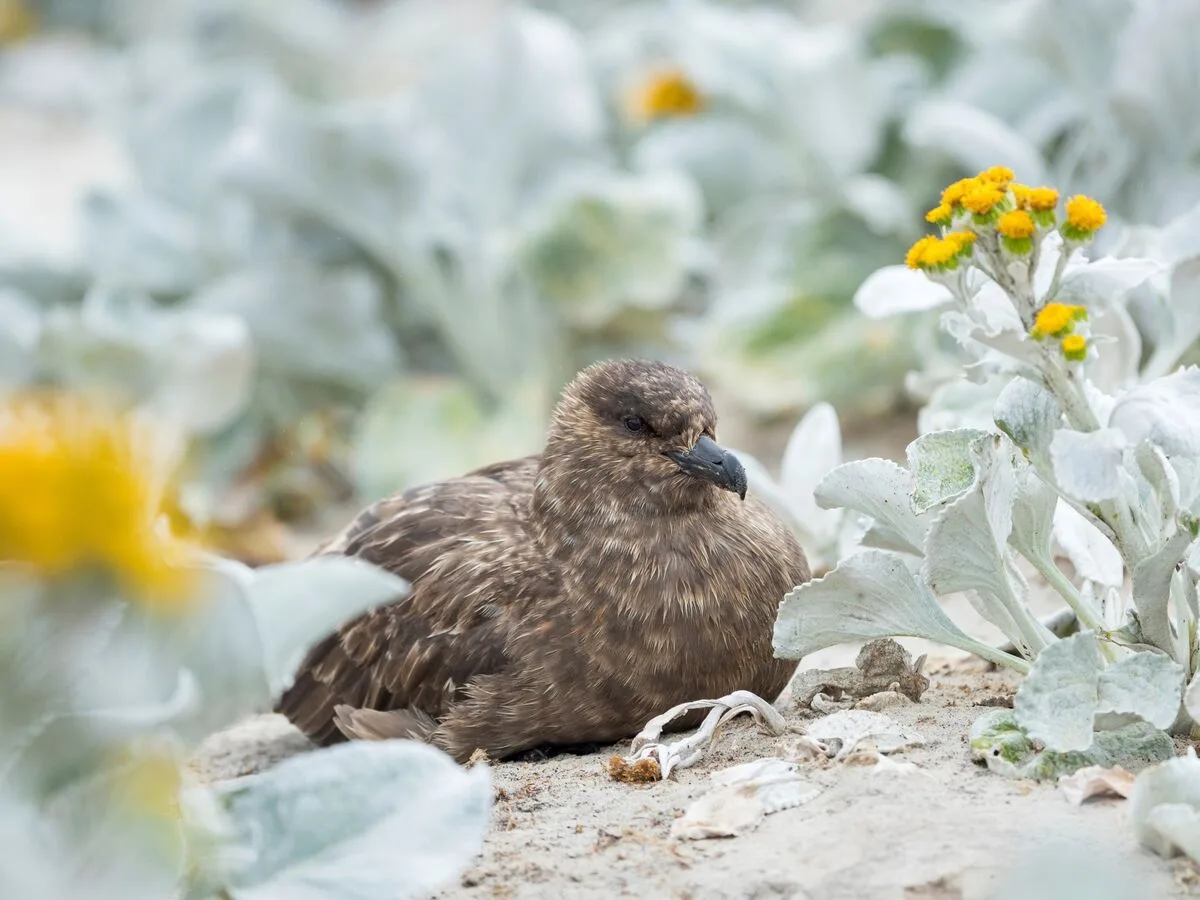
Australia confirmed its first mainland cases of the highly pathogenic H5N1 bird flu in migratory seabirds in Western Australia, identifying infection in a brown skua and a northern giant petrel near Esperance [1, 2, 3].
The brown skua was found unwell at Cape Le Grand National Park, approximately 570 km from Perth, and later died. The northern giant petrel in the same area also tested positive or was suspected positive for the virus [4, 2, 3, 5, 6].
Authorities have emphasized that there is currently no evidence of H5N1 infection in commercial poultry nor any mass bird die-offs in Australia [1, 4, 2, 3, 7]. Agriculture Minister Julie Collins stated, "There is no evidence of any mass mortality at this time. Nor is there any evidence of infection in poultry" [4].
Australia had been the only continent without confirmed mainland H5N1 cases until recent detections. The virus had previously been found on its sub-Antarctic territory, Heard Island, where over 13,000 elephant seal pups died due to the outbreak in late 2025 and June 2026 [4, 3, 8, 5, 9].
Surveillance and biosecurity measures have been stepped up following the detection, including poultry farm lockdowns in Western Australia. Officials are conducting increased testing and monitoring for sick or dead birds in WA and South Australia [7, 5, 6, 9, 10]. South Australian Premier Peter Malinauskas urged, "It’s very, very important now that we have received a positive result from South Australia, that people are very aware that they can report any signs of bird life that is unwell or dead" [11].
On June 14, a southern giant petrel found unwell at Knights Beach, South Australia, tested positive for H5N1, bringing confirmed cases across two states to three [11]. Community members have been urged to report contacts with sick birds and avoid handling them. In some cases, antiviral treatment with Tamiflu may be prescribed [4, 11].
Prime Minister Anthony Albanese said the government spent A$113 million preparing for H5N1's arrival and is focused on limiting its spread. He said, "What we’re about is making sure, firstly, that we do whatever we can to restrict the spread. We, of course, always examine these issues carefully. We have prepared for it" [2, 3, 7].
After the mainland cases were confirmed, Papua New Guinea suspended imports of Australian poultry products, which were valued at A$44 million in 2023 [10]. Agriculture Minister Collins acknowledged uncertainty about how long control measures can be maintained, saying, "Can we do that forever? We don't know the answer to that, that is a hypothetical" [5].
Australia continues intensive surveillance and biosecurity efforts across affected regions. Testing and monitoring are ongoing as officials seek to prevent further spread among wild and commercial birds [9, 10, 11].