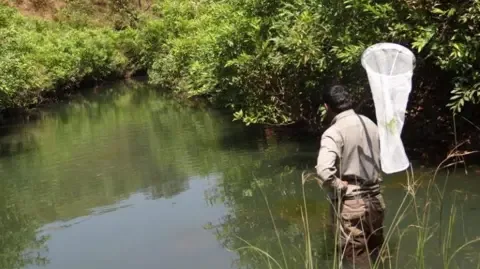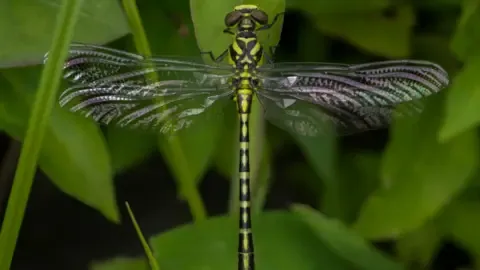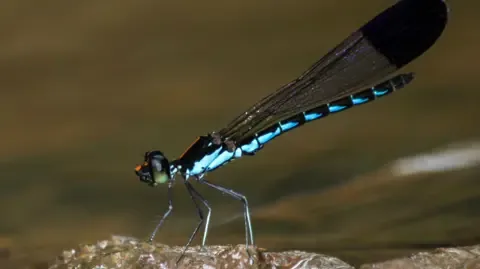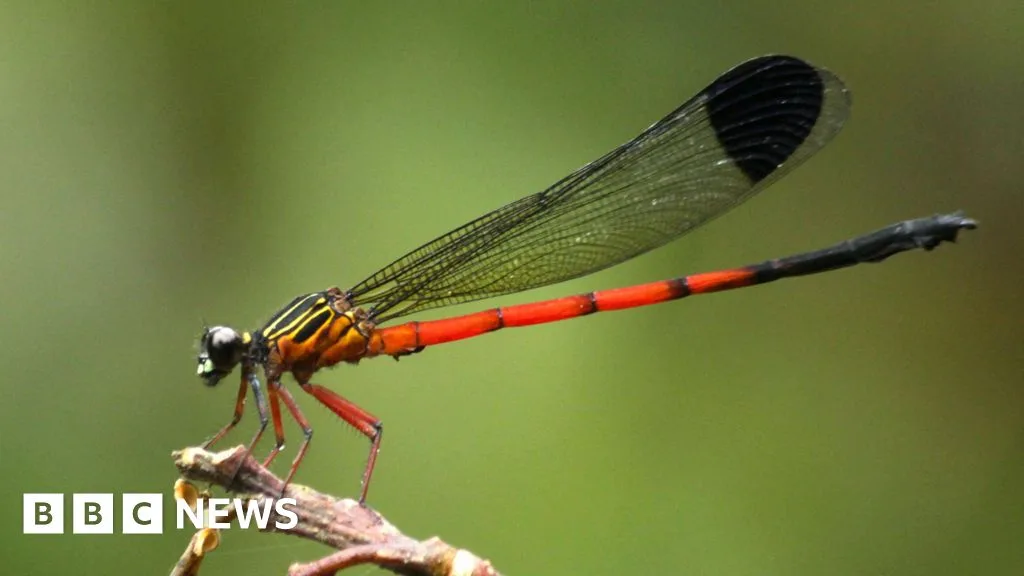
A first-of-its-kind study in India's Western Ghats found 143 dragonfly and damselfly species, but researchers did not find at least 79 species previously reported in the region, a gap the report describes as an almost 35% decline. [1]
The two-year survey ran from 2021 to 2023 across five Indian states and was funded by the Indian government's Department of Science and Technology. [1]
Researchers said at least 40 of the recorded species are endemic to the Western Ghats, a UNESCO World Heritage Site and one of the world's most important biodiversity hotspots. The report also says the region is home to at least 325 globally threatened species and accounts for more than 30% of India's plant and animal species. [1]
Pankaj Koparde said dragonflies and damselflies are strong indicators of ecosystem health. "Consequently, when their numbers drop, it could signal the potential degradation of an ecosystem," he said. [1]
The report says urbanisation, agricultural expansion, livestock grazing, infrastructure development, invasive species and mining continue to threaten the Western Ghats, a mountain chain that stretches for 1,600 km. [1]