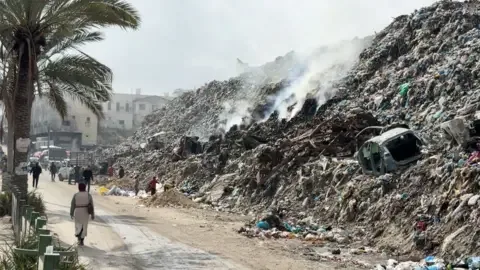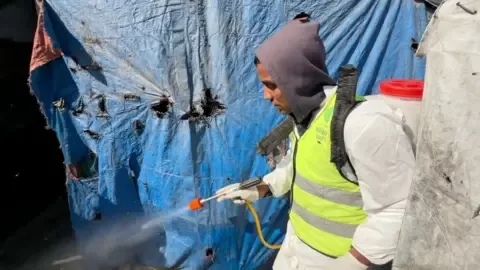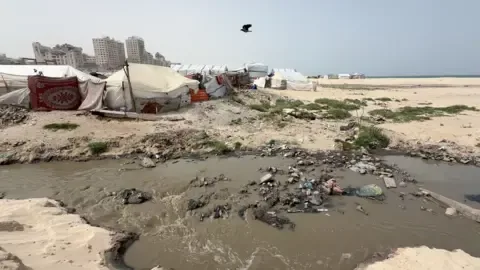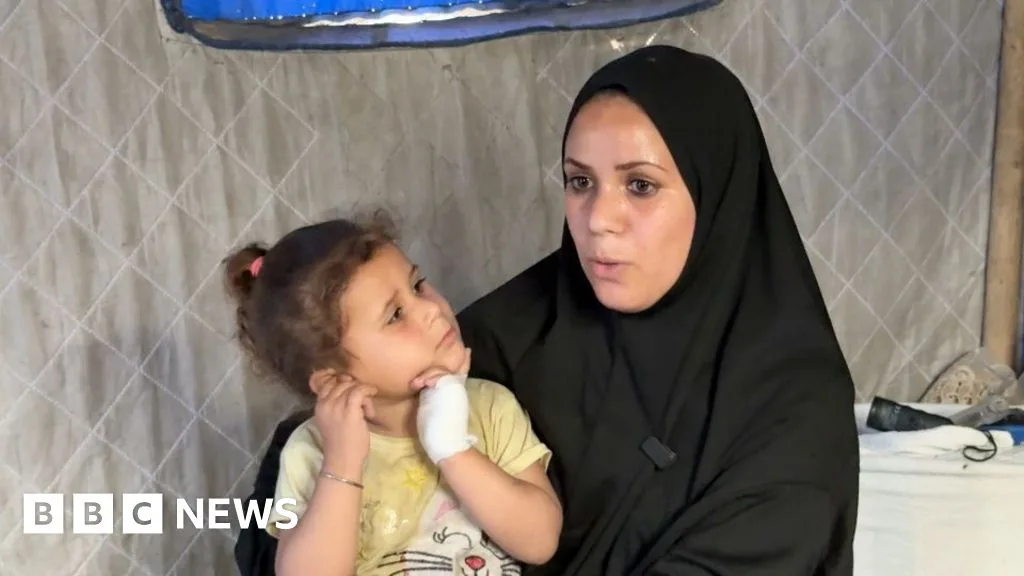
Rats, urban weasels and other pests are spreading through camps for displaced families in Gaza, where aid workers say about 1.45 million people are facing rising health risks as raw sewage and rubbish pile up. [1]
Rodents or other pests were visible at 80% of sites housing displaced families, according to the facts provided. They can spread disease through bites, scratches, urine, droppings and fleas, causing respiratory and skin infections, blood infections and food poisoning. [1]
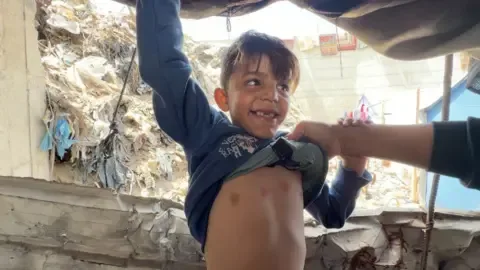
The toll is already showing in individual cases. Samah al-Daabla said a weasel bit her 4-year-old daughter, Mayaseen, at 2am in the family's tent. "We woke up to the sound of her screaming at 2am. When my husband turned on the torch, the weasel ran away. I looked at my daughter's hand, and it was all blood. Everything was bloody," al-Daabla said. The child needed a tetanus injection and later became ill. [1]
A grandmother with diabetic nerve damage has also lost parts of her toes after rodent bites, according to the facts. [1]
The camps have become breeding grounds because of raw sewage and large piles of rubbish in overcrowded areas. No reconstruction or delivery of the 200,000 caravans needed for temporary housing has taken place since the ceasefire, leaving many families in tents and makeshift shelters. [1]
Cogat, the Israeli defence body that controls Gaza crossings, said it is working with international organizations to address sanitation needs. WHO representative Dr Reinhilde Van De Weert called the infestations "the predictable consequence of a collapsed living environment." [1]
The crisis follows the war that began in October 2023 after Hamas' assault on Israel and mass hostage taking. A US-brokered Gaza ceasefire deal, reached more than six months before 2026-05-05, has not improved the humanitarian situation or allowed reconstruction. [1]
Palestinian officials say they still need 200,000 caravans for temporary homes, but none have been delivered or built since the ceasefire. [1]