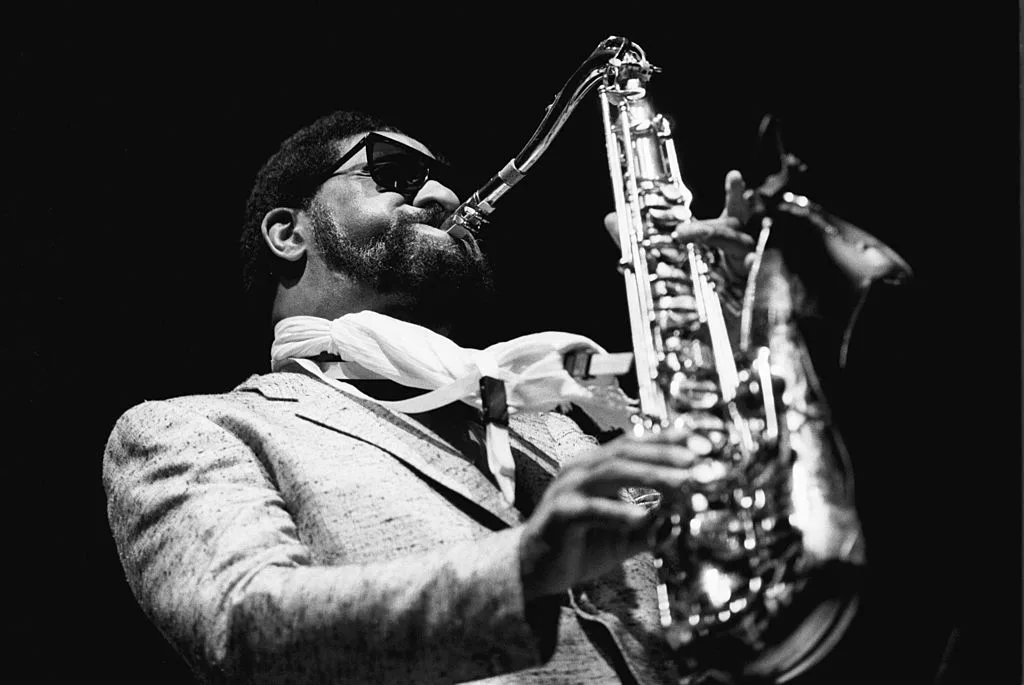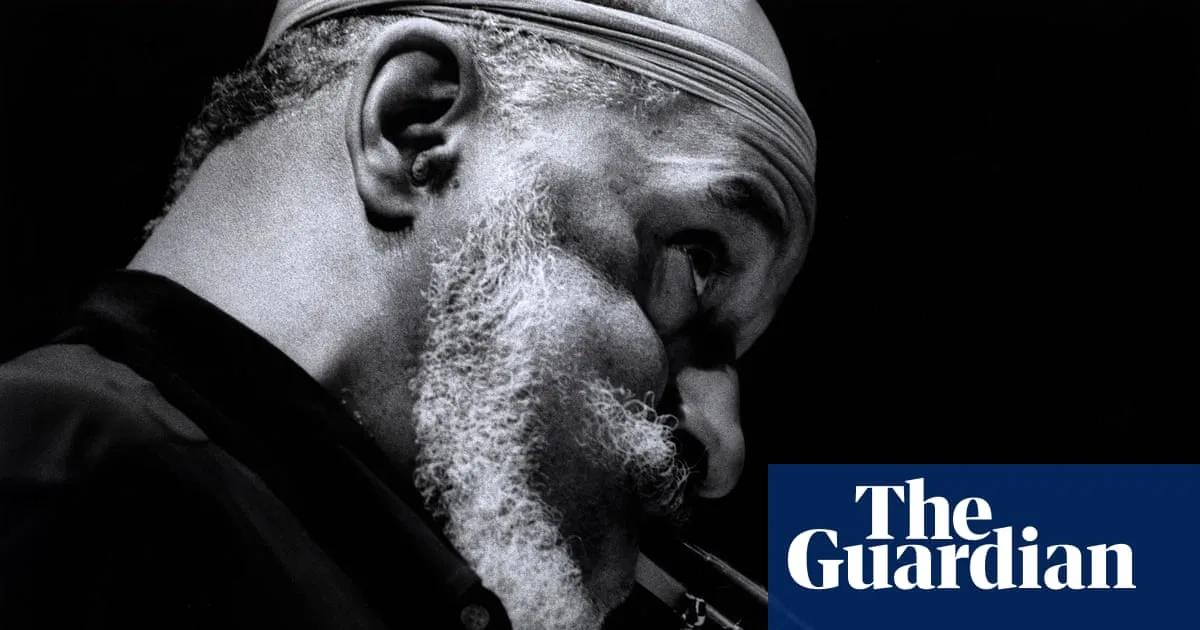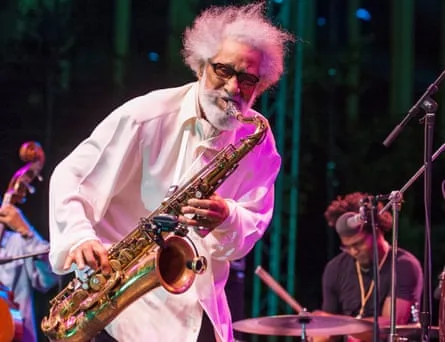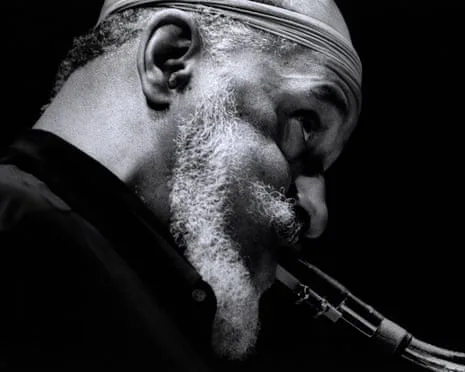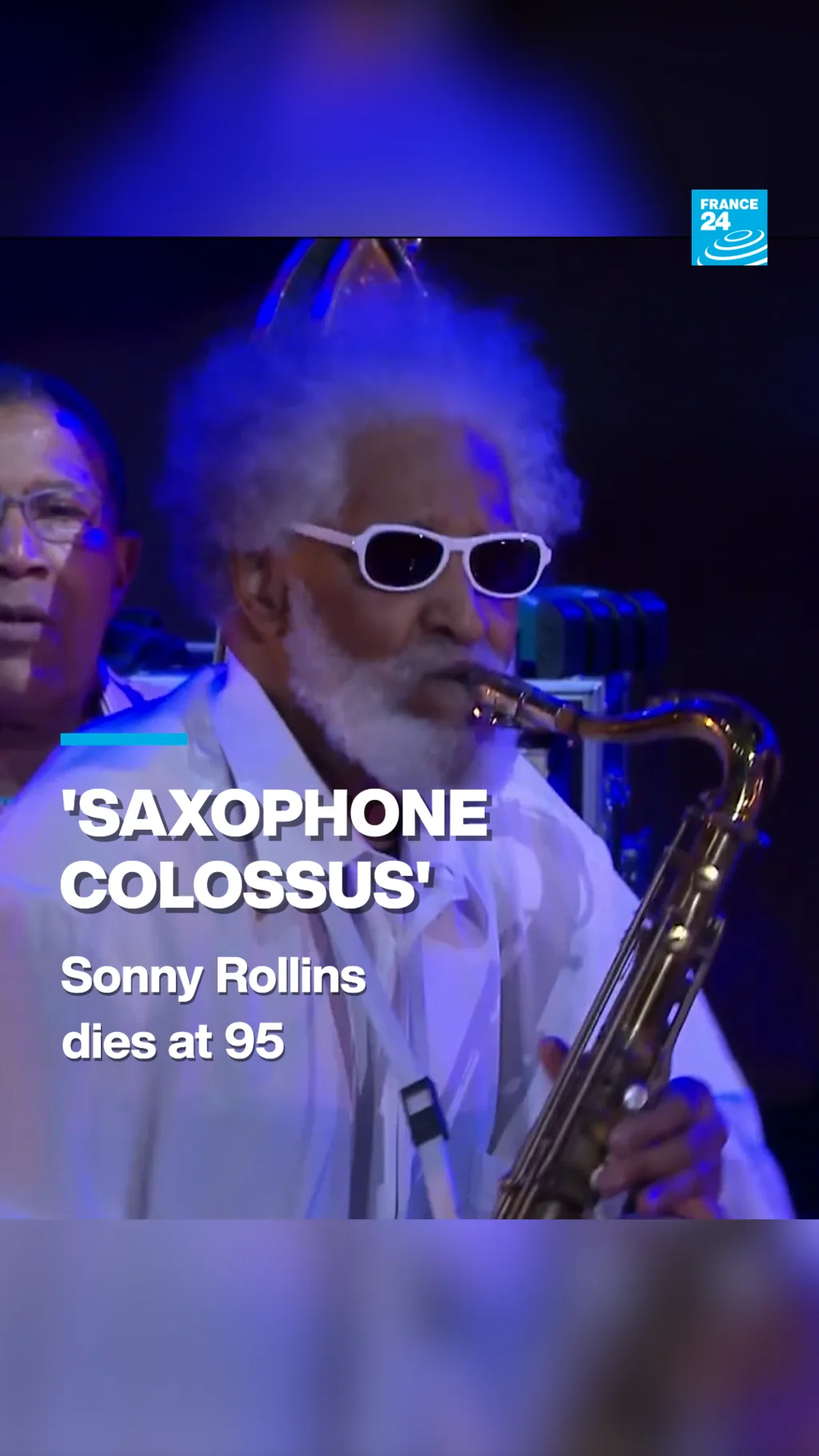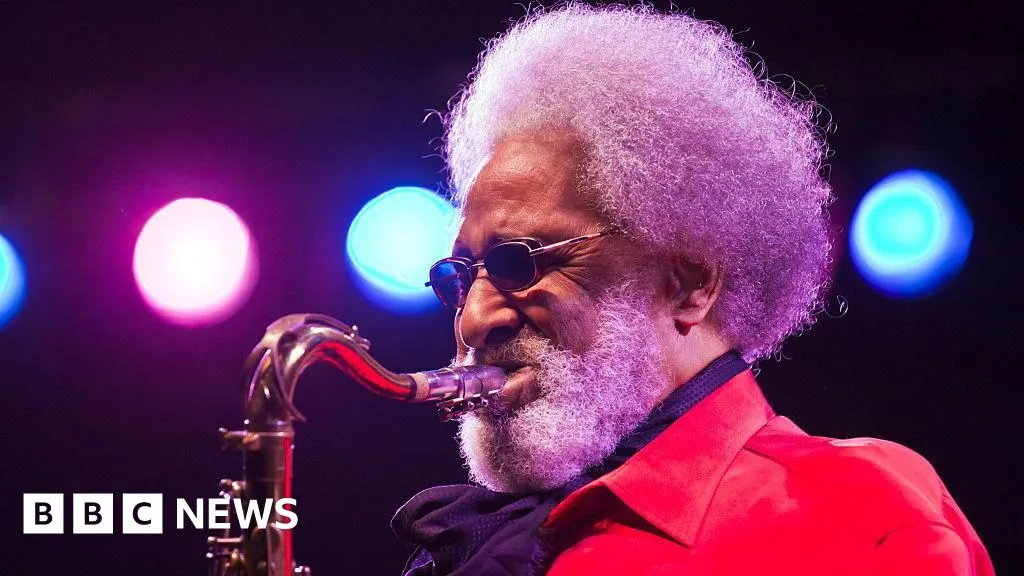
Sonny Rollins, a towering figure in jazz music, died on Monday afternoon at his home in Woodstock, New York. He was 95 years old [1, 2, 3, 4, 5]. No cause of death has been announced publicly [1, 2, 3].
Born Walter Theodore Rollins in Harlem in 1930, he began playing saxophone at age 7 after receiving his first alto saxophone from his mother. "I got the saxophone and I went into the bedroom and I started playing – that was it," Rollins recalled. "I was in seventh heaven... I could have been there forever." [3]
Rollins launched his career in the late 1940s and released more than 60 albums as a band leader during his lifetime [1, 2, 3]. He earned the nickname "Saxophone Colossus" after his groundbreaking 1956 album of the same name [1, 4, 6]. Seeking to reinvent his style, he spent over two years practicing up to 14 to 15 hours a day on New York's Williamsburg Bridge in the late 1950s, overcoming self-doubt. "What made me withdraw and go to the bridge was how I felt about my own playing. I knew I was dissatisfied," Rollins said [1, 4, 6].
His 1962 album "The Bridge" showcased the innovations developed during this period and is regarded as a landmark in jazz improvisation [1, 4, 6]. Rollins was known for long, hard-blowing solos and inventive improvisations that left a lasting impact on the genre [1, 4, 5].
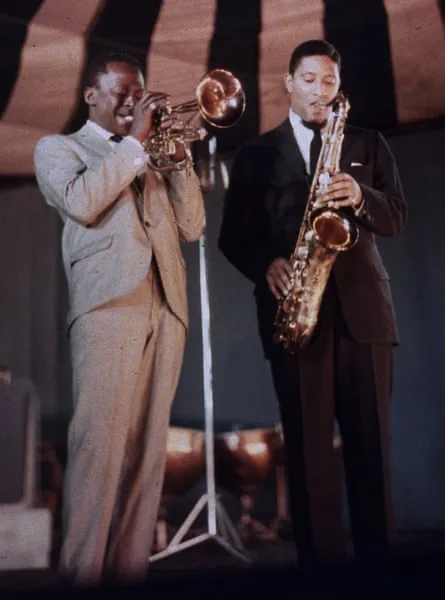
Throughout his career, he collaborated with jazz legends like Miles Davis, Thelonious Monk, John Coltrane, Art Blakey, and Bud Powell [1, 2, 3, 6]. He won two Grammy Awards and received the National Medal of Arts in 2010 [1, 2, 6].
Rollins retired from performing in 2014 after a respiratory illness limited his ability to play [1, 6]. He also overcame struggles with heroin addiction and a prison stint in his youth [3, 6]. He credited yoga and a commitment to creative growth with maintaining his longevity [5, 6].
Former President Barack Obama said Rollins inspired him to "take risks that I might not otherwise have taken" [2]. Rollins himself believed that creativity continued beyond this life. "I think when the creative person ends, he continues in the next existence. I'm a person who believes this life isn't the be-all and end-all of everything," he said [1].
Rollins' death marks the passing of one of jazz's greatest improvisers, who shaped the art form for more than seven decades. No public funeral or memorial has yet been announced.