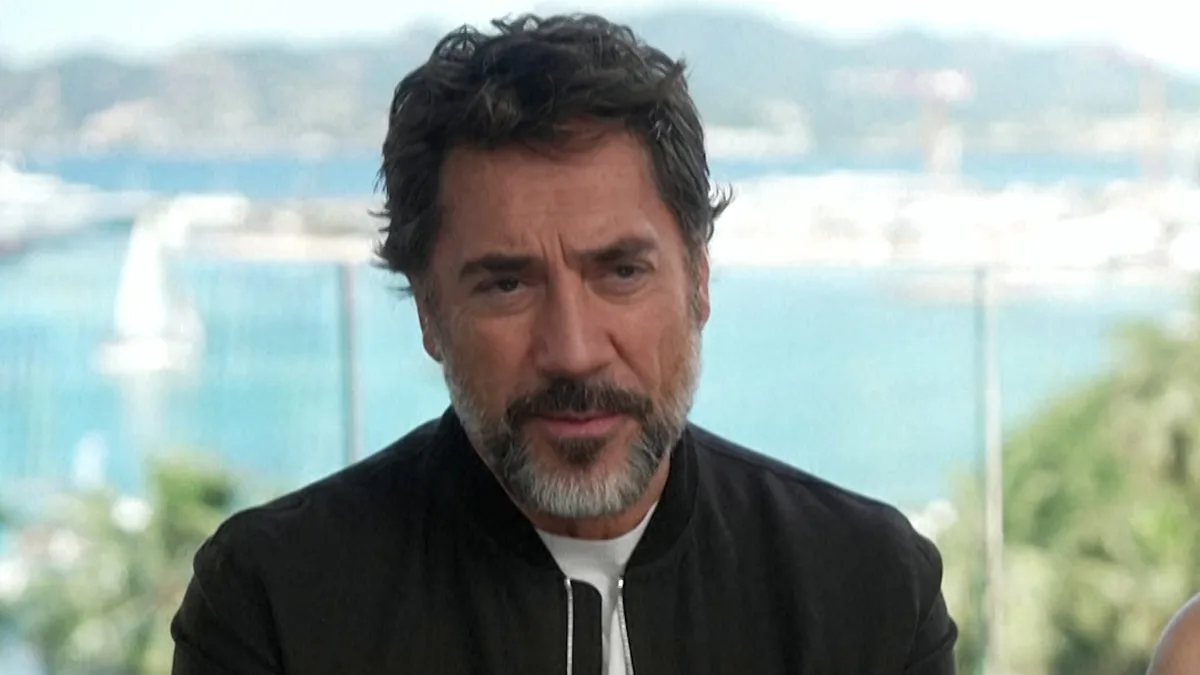
Spanish actor Javier Bardem said publicly condemning the genocide in Gaza has led to more work offers rather than damaging his career, reflecting a shift in the global narrative around the conflict [1, 2, 3]. Bardem, 57, told reporters at the Cannes Film Festival on May 18 that younger generations are driving this change, explaining, "I’ve had a whole host of offers. And that made me think that the narrative is changing -- everyone is beginning to realize, thanks to the younger generation … that this is unacceptable, this cannot be justified, there is no reason for this genocide" [2].
The actor addressed rumors of Hollywood blacklisting targeting him and other pro-Palestinian figures like Susan Sarandon and Mark Ruffalo. He acknowledged hearing these claims but said he has no concrete evidence, adding, "I believe those who are drawing up these so-called blacklists will be exposed, and they are the ones who will suffer consequences from the public" [2]. Bardem urged more members of the film industry to break their silence, calling silence or support for the Gaza genocide cowardly: "Those who have that ability and do not do so seem cowardly to me. With your silence, or your support, you are pro-genocide" [2].
Bardem has been an outspoken critic of political and institutional hypocrisy surrounding the Gaza conflict. He singled out leaders including U.S. President Donald Trump, Russian President Vladimir Putin, and Israeli Prime Minister Benjamin Netanyahu for promoting "male toxic behavior" that fuels violence. "It’s male toxic behavior that is creating thousands of dead people, so yes, we have to talk about it," Bardem said [2].
At the Oscars in February 2026, Bardem publicly stated, "No to war and a free Palestine," a bold statement that preceded his current Cannes discussions [3]. His film The Beloved, which premiered at Cannes in mid-May, examines themes of male domination and Spain’s colonial history [3]. Bardem is also competing to become one of few actors to win the Cannes Best Actor Award twice [2].
Bardem emphasized the importance of expressing views openly. "I think it’s important to be able to express your point of view, knowing that there will be people who agree and people who don’t," he said at Cannes [3].