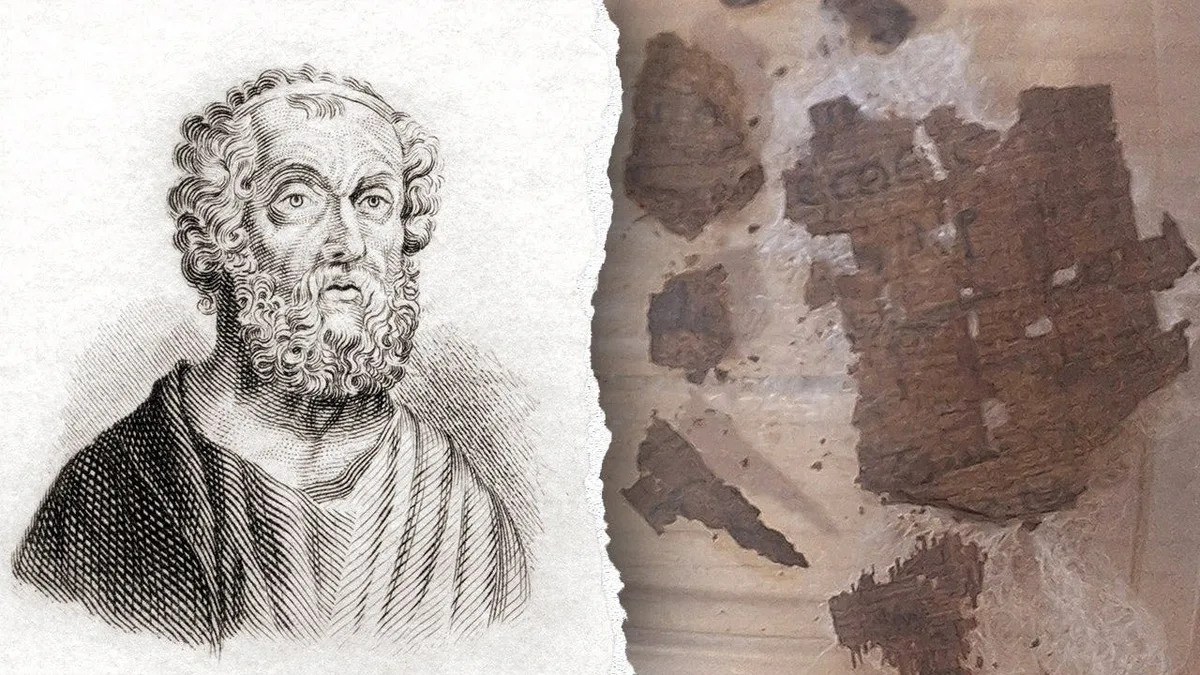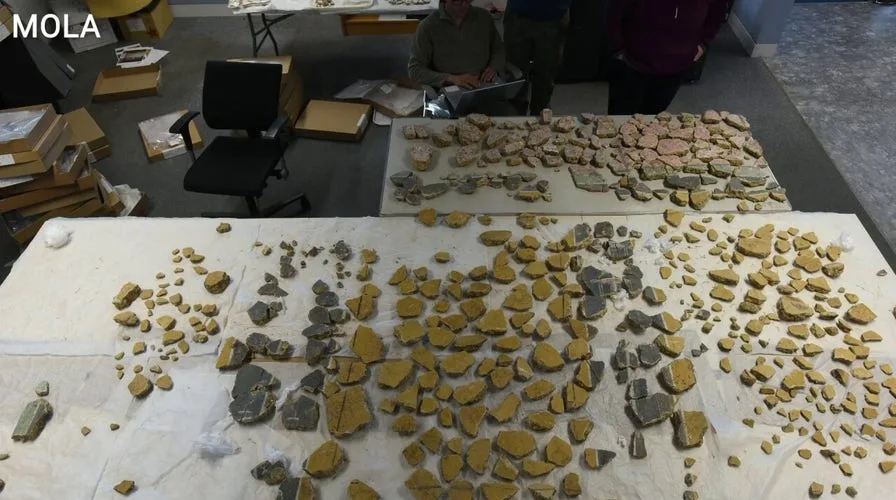
Archaeologists from the University of Barcelona unearthed a Roman-era Egyptian mummy containing a papyrus fragment of Homer’s Iliad sealed in a clay packet placed on the mummy’s abdomen as part of the embalming ritual [1, 2]. The find marks the first known example of a Greek literary text deliberately incorporated in the mummification process, experts said [1, 2].
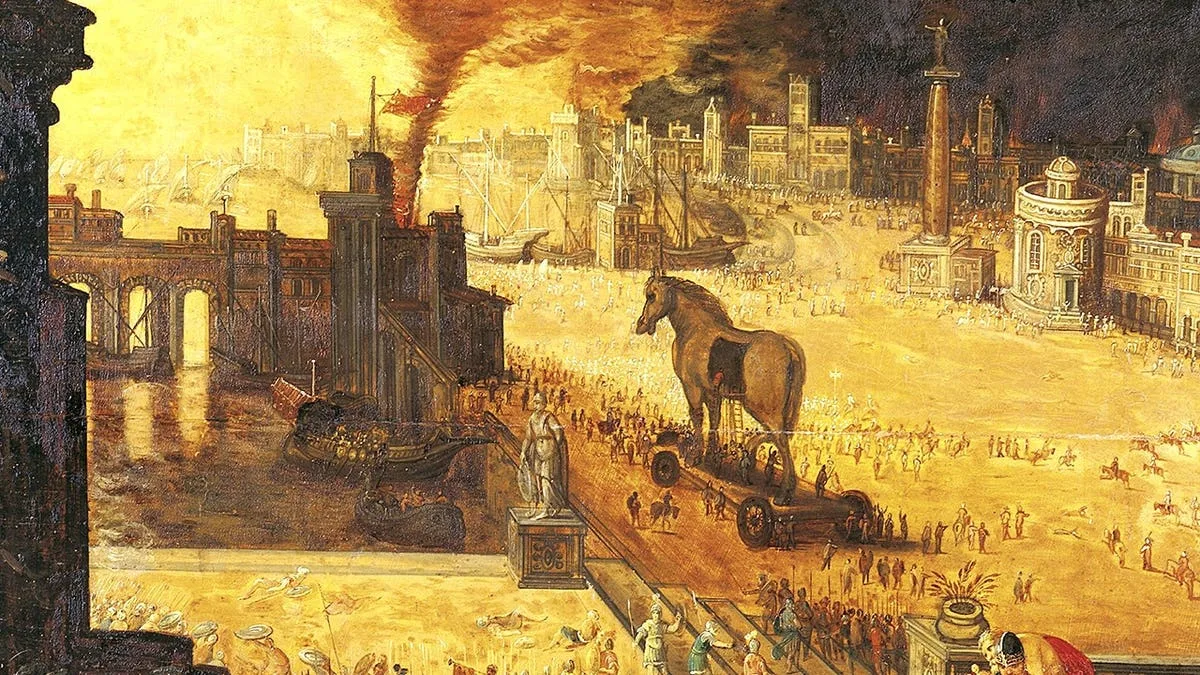
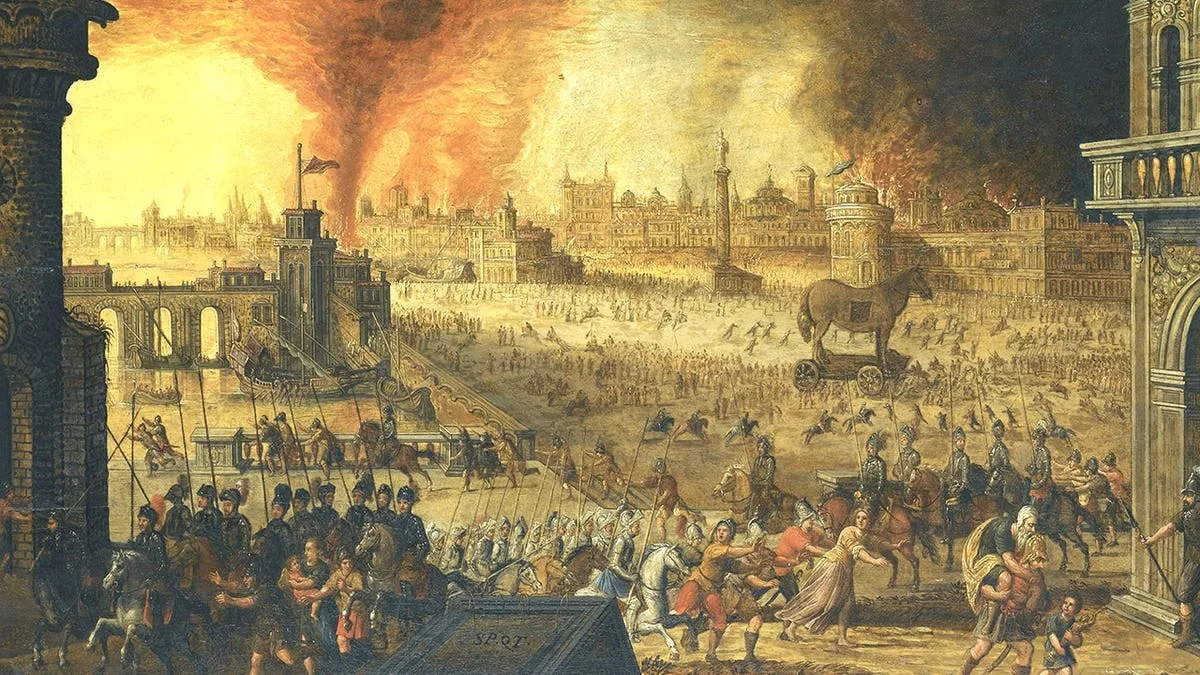
The mummy belongs to a nonroyal male dating approximately 1,600 to 2,000 years ago during Egypt’s Roman period [1, 2]. The papyrus fragment includes lines from Book 2 of the Iliad, the "Catalogue of Ships," describing Greek forces preparing for the Trojan War [1, 2].
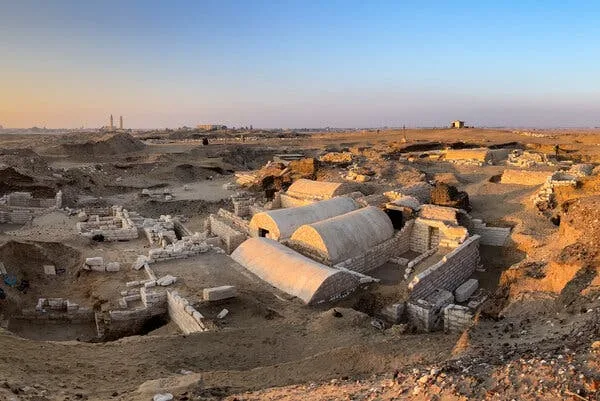
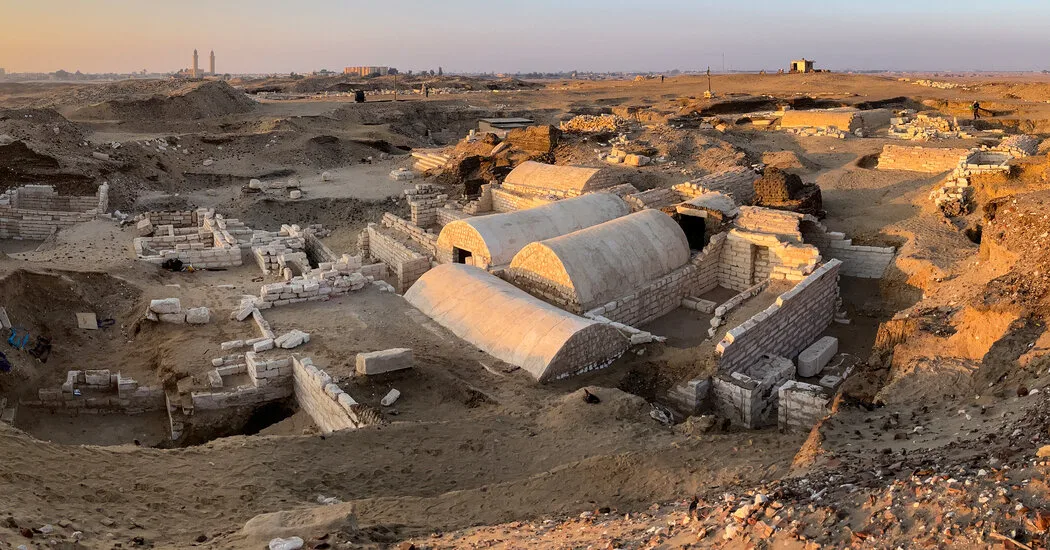
The discovery was made at a burial site known as Oxyrhynchus or Al Bahnasa necropolis by the University of Barcelona’s Oxyrhynchus Archaeological Mission, which has excavated the area since 1992 [1, 2]. The mission team, including Ignasi-Xavier Adiego, Leah Mascia, and Margalida Munar, helped study and preserve the papyrus [1, 2].
University of Barcelona scholar Ignasi-Xavier Adiego said, "Since the late 19th century, a huge number of papyri have been discovered at Oxyrhynchus, including Greek literary texts of great importance. But the real novelty is finding a literary papyrus in a funerary context." He described it as the first time a Greek literary text has appeared intentionally in the mummification process [2].
Egyptologist Foy Scalf called the discovery "incredibly significant, primarily for the discovery of such a papyrus with Greek literary text in its original context." Previously, papyri found in funerary contexts at Oxyrhynchus mainly contained magical or ritual texts rather than literary works [1, 2].
The papyrus was sealed inside a clay packet and placed on the mummy’s abdomen during embalming, likely as a symbolic or ritual element linked to the deceased’s journey in the afterlife [2]. Although there is some discrepancy in dating the mummy—estimated between 1,600 and 2,000 years old—and the precise name of the burial site, the significance of the rare literary inclusion stands [1, 2].
The University of Barcelona announced the find in a news release on April 20, 2026 [2]. The archaeological team plans further study and conservation of the papyrus and mummy remains.