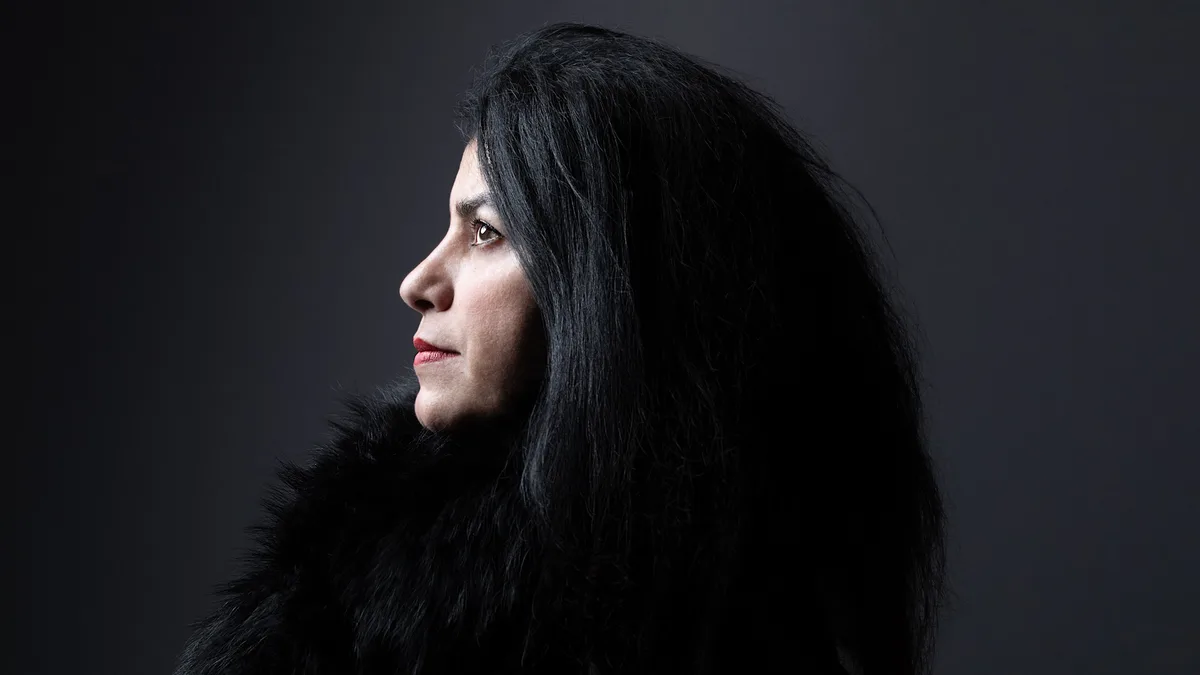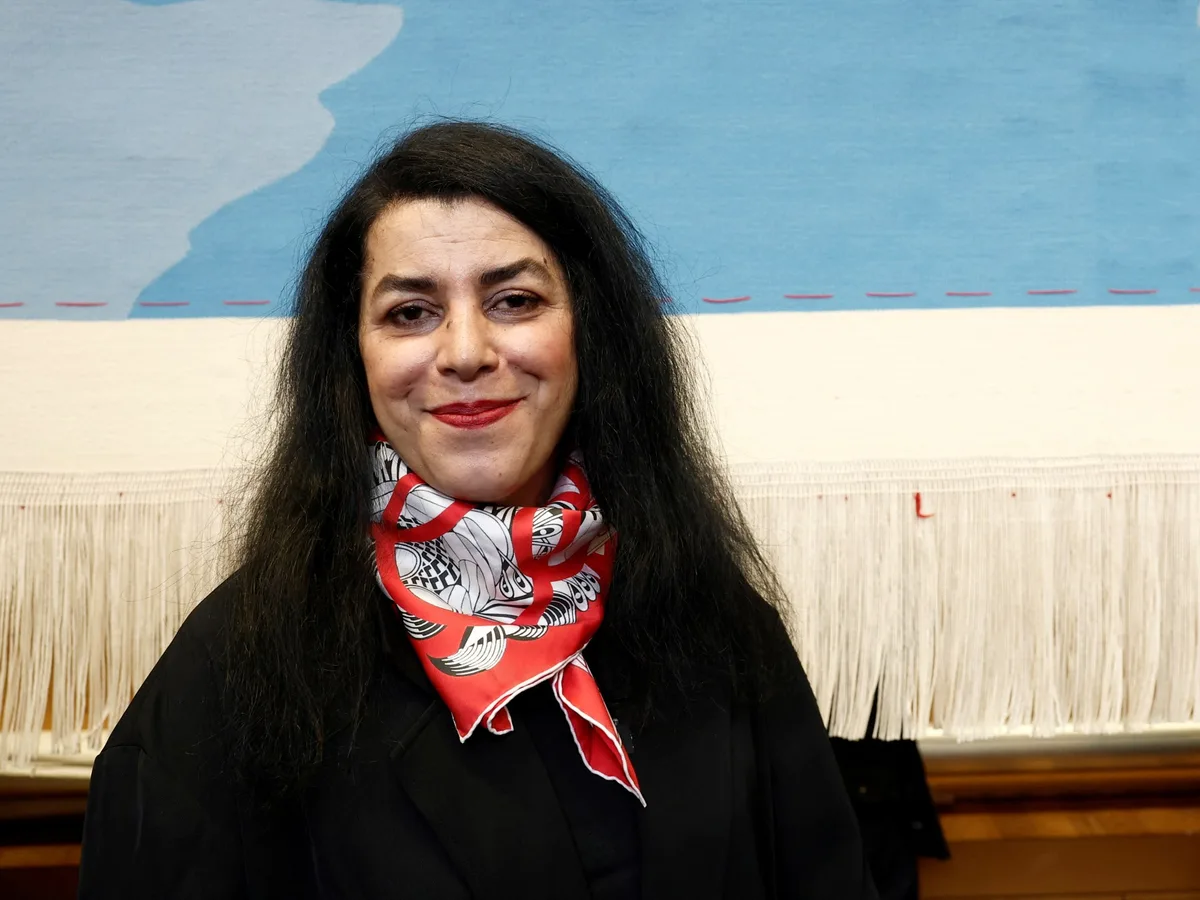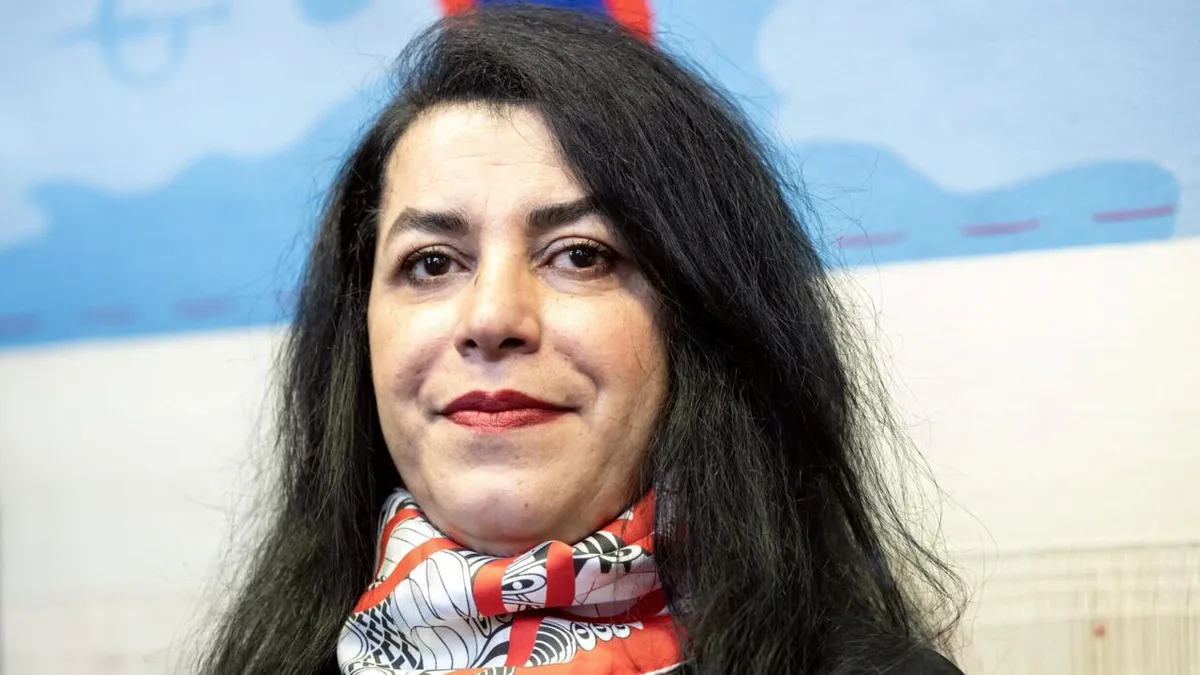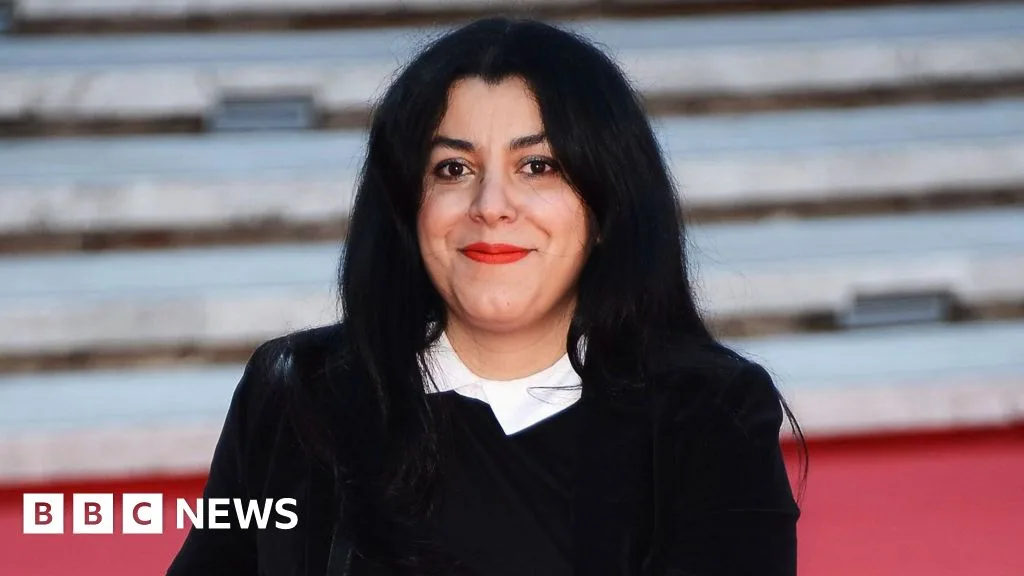
Marjane Satrapi, the Franco-Iranian author and filmmaker renowned for her graphic novel and film Persepolis, died on June 4, 2026, at age 56 [1, 2, 3, 4, 5, 6]. She passed a little over a year after the death of her husband, Mattias Ripa, whom she described as "the love of her life" [1, 2, 7, 3, 4, 8, 5, 6]. Ripa, a Swedish producer, actor and screenwriter, died April 8, 2025 [6].
Born in 1969 in Rasht, northern Iran, Satrapi was sent to Austria in 1983 by her parents to escape growing extremism in Iran [7, 5]. She moved to France in 1994 to continue her education and begin a life in exile, acquiring French nationality in 2006 [1, 7, 3, 4, 8, 6].
Satrapi achieved global fame with Persepolis, an autobiographical graphic novel first published in 2000 that chronicles her childhood in Tehran during and after the 1979 Iranian Revolution and her life in exile in Europe [1, 7, 3, 4, 8, 5, 6]. The 2007 animated film adaptation, co-directed by Satrapi and Vincent Paronnaud, won the Cannes Jury Prize and earned an Oscar nomination for Best Animated Feature [1, 7, 8, 6]. Satrapi dedicated the Cannes prize to "all Iranians" and called Persepolis a universal story born of an Iranian childhood [6].
She was a vocal critic of Iran’s theocratic regime and an advocate for freedom and dignity for Iranian women. Satrapi said, "I come from a country where a woman is worth half a man. I never thought I had one leg less just because I was a woman" and urged hope that "this regime disappears" [5, 6].
In 2025, Satrapi publicly refused the French Legion d’honneur award, criticizing France’s "hypocrisy" in its policy toward Iran [3, 4, 8, 6].
After her husband’s death, she founded the Mattias and Marjane Ripa-Satrapi Cinema Foundation to support foreign filmmaking students in Paris [6]. Her career also included directing the 2019 biopic Radioactive about Marie Curie [8, 6].
French President Emmanuel Macron called her "a great artist who transformed an Iranian childhood into a universal fable" and said her passing "marks the loss of a leading figure in French culture and an artist devoted to freedom, whose work carried a universal message and earned her immense international renown" [1, 5].