France has selected an international architectural team including STUDIOS Architecture Paris and Selldorf Architects to lead the Louvre’s redevelopment, announced May 18, 2026 [1, 2, 3]. The project, named "Louvre-New Renaissance," aims to transform the museum with a new entrance on its eastern facade to ease congestion and a dedicated, separately ticketed space for Leonardo da Vinci's Mona Lisa [1, 2, 3, 4].
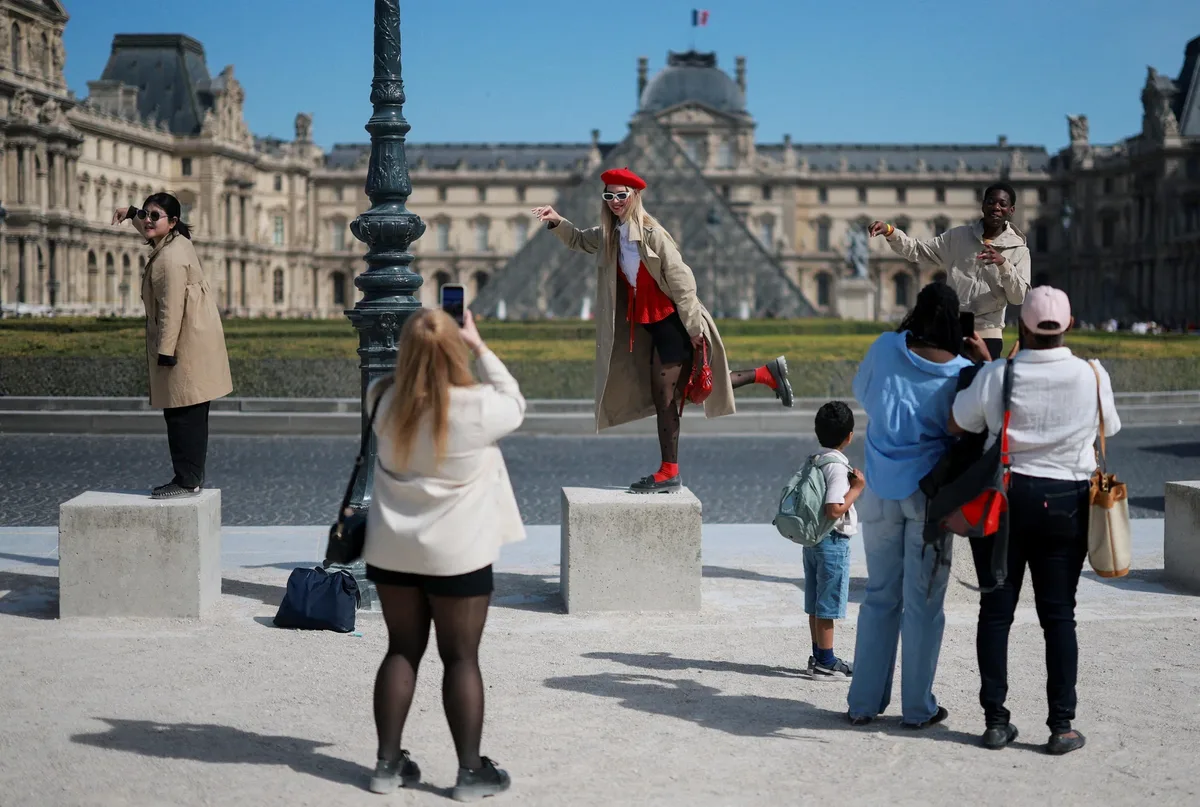
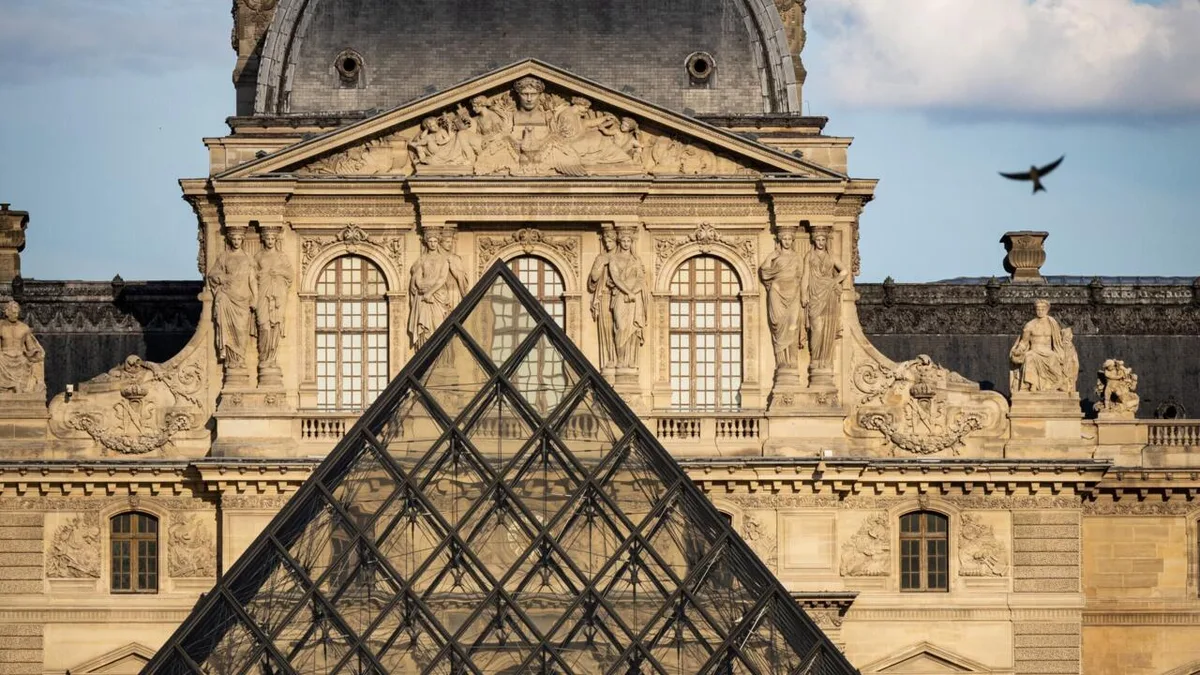
The new entrance will relieve pressure on the current glass-and-metal pyramid entrance, which was originally designed to handle four million visitors per year but now serves a far larger crowd. The Louvre attracts about 20,000 visitors daily for the Mona Lisa alone, totaling around nine million annual visitors overall [1, 2, 4].
The winning design was selected from a jury of five shortlisted candidates, with a focus on architectural quality, heritage integration, urban and landscape impact, and security considerations [1, 2, 4]. French Culture Minister Catherine Pegard said the chosen proposal was “respectful and contemporary” and would create “an elegant connection between the city, the palace and the museum” [3]. The Louvre Museum described the plan as establishing “an elegant link between the city, the palace, and the museum” [1].
STUDIOS Architecture Paris has experience with the Louis Vuitton Foundation in Paris while Selldorf Architects are known for work on cultural institutions like the Frick Collection in New York and the National Gallery in London [1, 2, 3, 4].
The redevelopment aims to increase the museum's visitor capacity by an estimated 3 million people per year to better accommodate demand [3]. The project’s cost estimates vary widely: aides to President Emmanuel Macron project 700 to 800 million euros, while the French Court of Auditors estimates as high as 1.15 billion euros [1, 2, 4].
The Louvre has faced issues in recent years including a $100 million jewelry heist, strikes, ticket fraud costing about 10 million euros, water leaks, and structural and security challenges [1, 2, 4]. The planned redevelopment is seen as integral to addressing these problems and modernizing visitor experience.
President Emmanuel Macron announced the "Louvre-New Renaissance" initiative last year as a key cultural legacy project [3]. On May 19, 2026, the French culture ministry detailed that the winning proposal was chosen specifically for its architectural quality and alignment with heritage and security requirements [4].