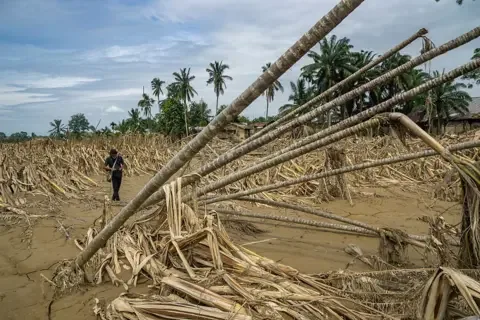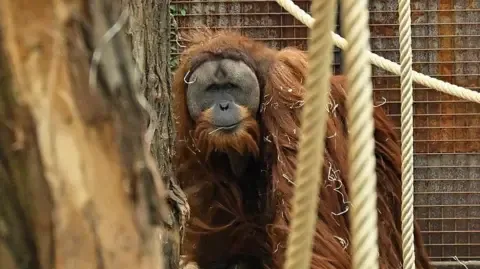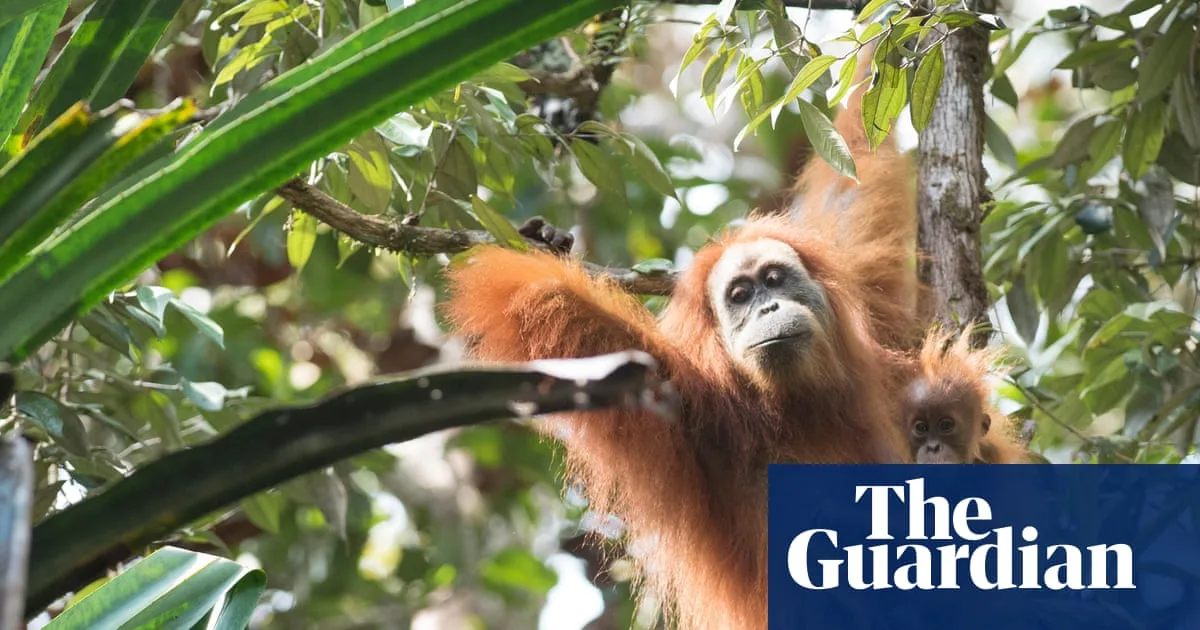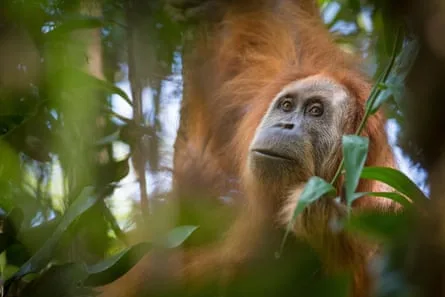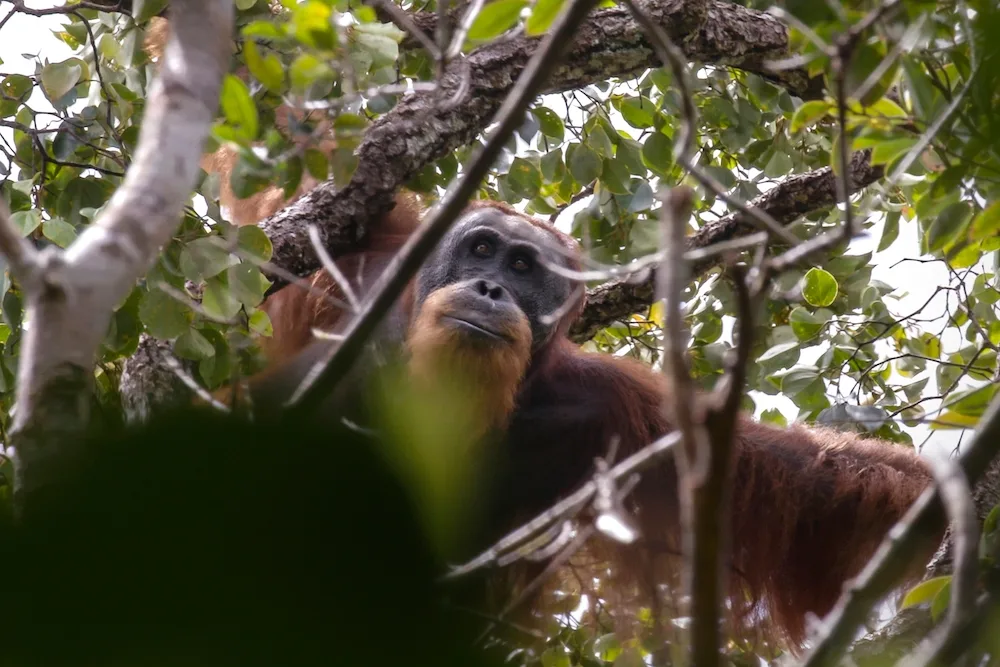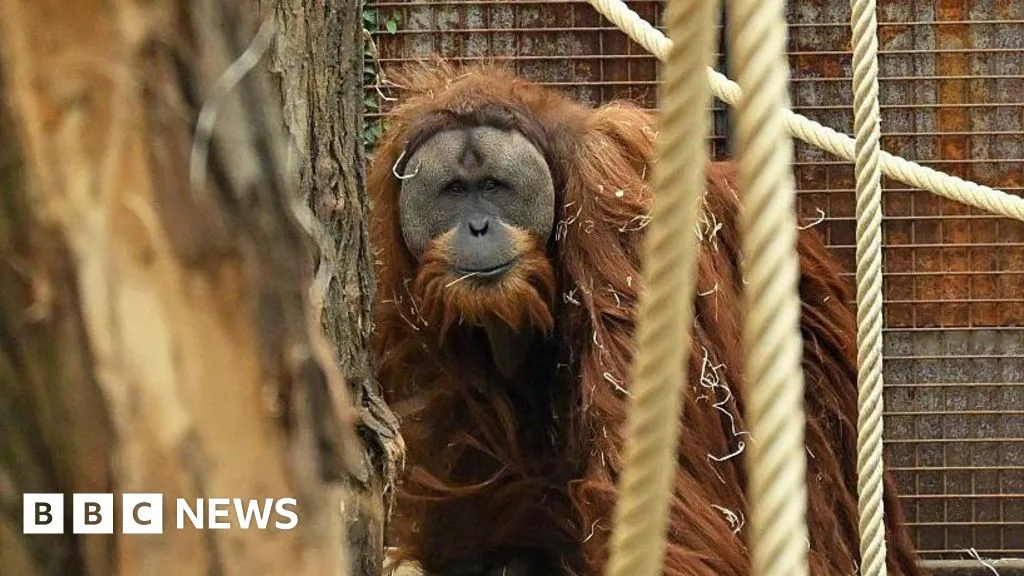
Four days of heavy rain triggered by Cyclone Senyar in November 2025 caused landslides and killed roughly 58 Tapanuli orangutans, equating to about 7% of the species’ fewer than 800 individuals worldwide [1, 2, 3].
The cyclone brought more than 1,000 millimeters (39 inches) of rain to North Sumatra over four days, leading to extensive landslides that also killed over 1,000 people across the region [1, 2]. Satellite imagery analysis revealed that about 8,300 hectares, or 11.7%, of critical Tapanuli orangutan forest habitat in the West Block of the Batang Toru ecosystem were destroyed by the landslides [2].
Erik Meijaard, managing director of Borneo Futures, explained the peril facing orangutans during such events: "If you get caught as an orangutan... if anything comes down at great speeds, survival chances are going to be very minimal, so it became a real concern" [3].
Experts said that human-driven climate change increased the intensity and frequency of such extreme rainfall events in the region, worsening the damage [1, 2, 3]. The Tapanuli orangutan population was already under threat from habitat loss due to mining, palm oil plantations, hydropower projects, and human-wildlife conflicts [2, 3].
Conservation biologist Jatna Supriatna called the losses "a devastating demographic shock to the world’s rarest great ape" [2]. Primatologist Serge Wich added, "In landscapes where populations are small and fragmented, this type of weather or climate event can have population-level consequences." [2]
The Indonesian government has temporarily suspended major industrial activities in Batang Toru to allow for scientific assessment and conservation planning [2]. The full death toll among orangutans may be higher, as some forest areas beyond the West Block have yet to be surveyed [3].
Following an initial estimate of about 35 orangutans lost reported in December 2025, a new study published in June 2026 updated the death toll to 58 and detailed the habitat destruction [1, 2, 3]. Researchers like Panut Hadisiswoyo emphasized the need to reduce hunting and poaching to stabilize the remaining population [3].