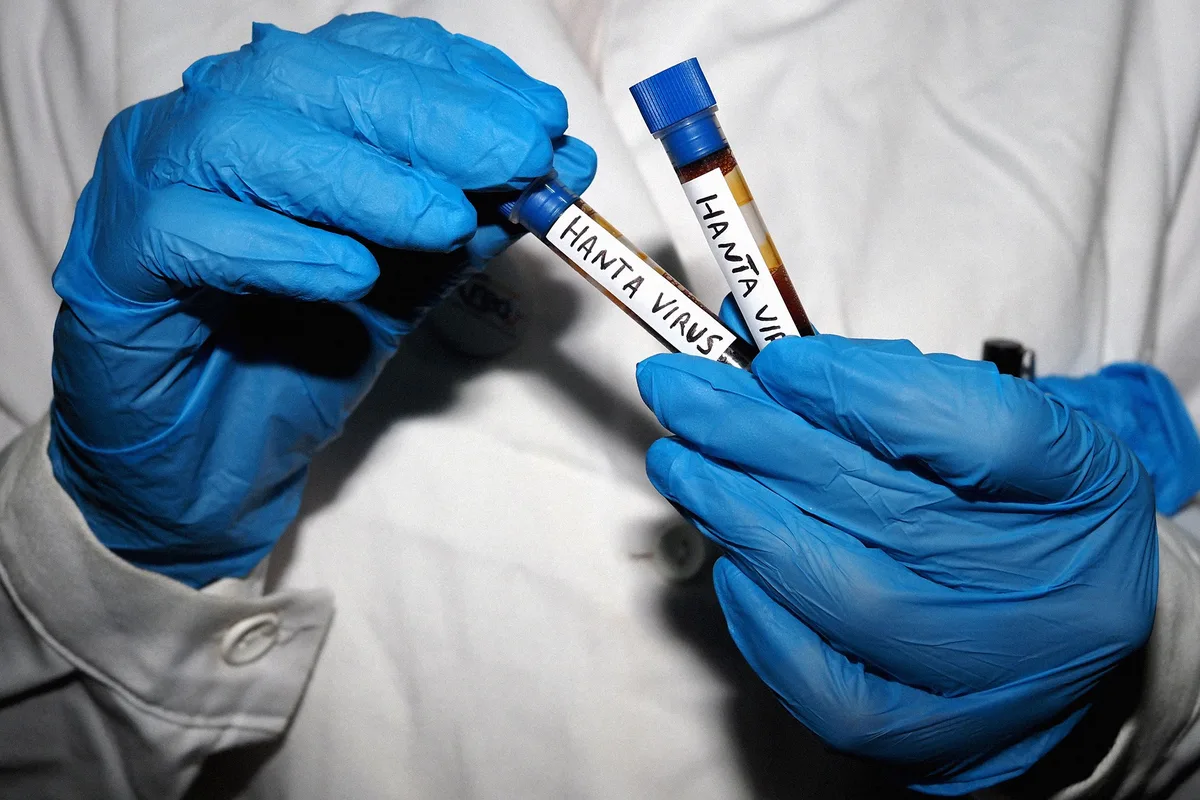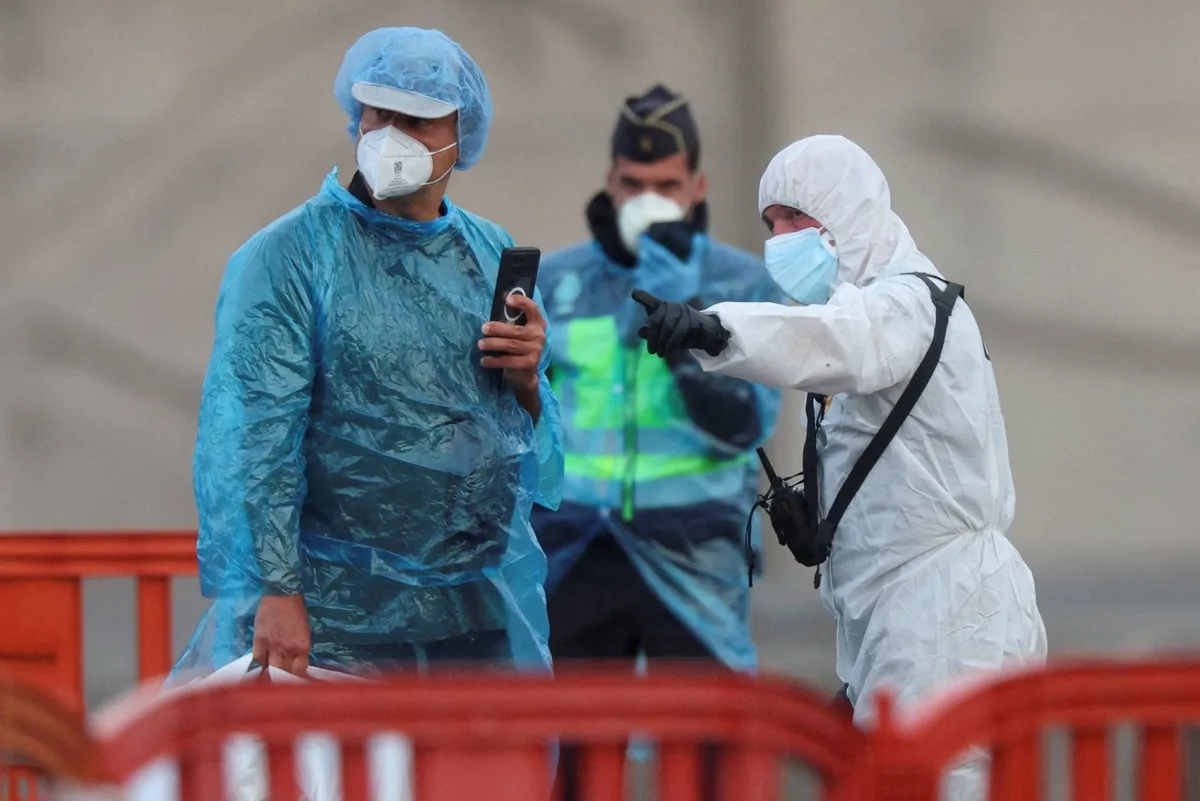
Health experts said the hantavirus outbreak on the MV Hondius is different from COVID-19 and is unlikely to trigger a pandemic like it, even as passengers were evacuated and people who left the ship and their contacts were monitored. [1, 2, 3]
Tedros Adhanom Ghebreyesus said the current public health risk from hantavirus remains low. Speaking on Saturday, he said, "I need you to hear me clearly: this is not another COVID. The current public health risk from hantavirus remains low. My colleagues and I have said this unequivocally, and I will say it again to you now." [2]
On Tuesday in Madrid, Tedros said all reported hantavirus cases were among passengers or crew on the ship and that "at the moment, there is no sign that we are seeing the start of a larger outbreak." He added that the situation could change because of the virus's long incubation period and said more cases could appear in the coming weeks. [3]
Officials said 11 cases have been reported on board, with 3 deaths, and 18 Americans placed in biocontainment units. More than 100 passengers have been evacuated from the cruise ship, and health officials are monitoring more than two dozen people who left the vessel. [3]
The strain identified on board was the Andes virus, which experts said is the only hantavirus known to spread person to person. Hantaviruses are usually spread through exposure to infected rodent urine, saliva or droppings, making the cruise ship outbreak unlike the airborne spread that drove the COVID-19 pandemic. [2, 3]
The outbreak has also sparked concern, anger and protests in communities where some passengers went after leaving the ship. Health officials are expected to keep monitoring passengers and contacts over the coming weeks because of the virus's long incubation period. [2, 3]