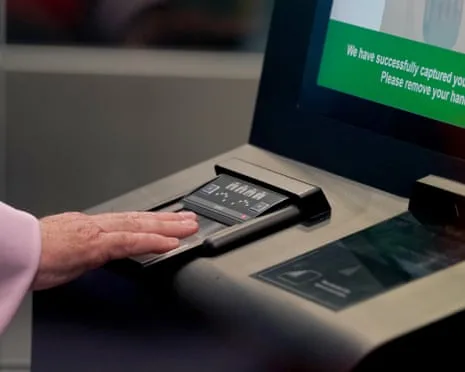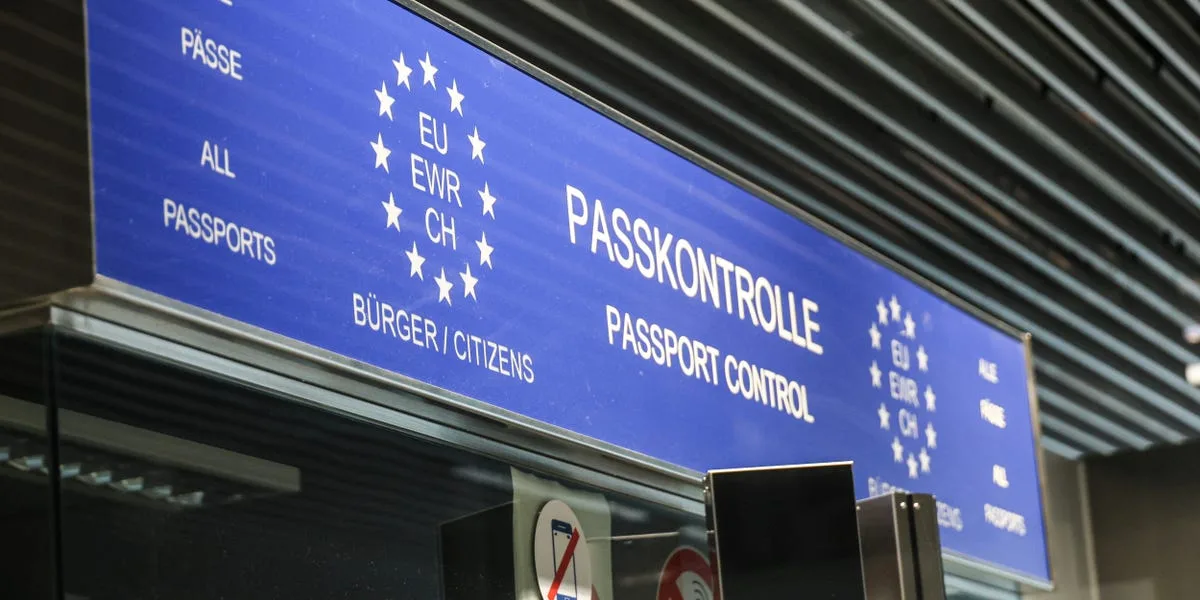
The EU Entry-Exit System (EES), fully operational since April 2026, has replaced passport stamps with digital biometric checks for non-EU citizens entering and exiting the Schengen Area, causing significant delays at border controls across Europe [1, 2, 3]. Travelers must register biometric data, including fingerprints and photos, each time they enter or leave the Schengen countries, which include most EU members plus Norway, Switzerland, Iceland, and Liechtenstein [2, 3].
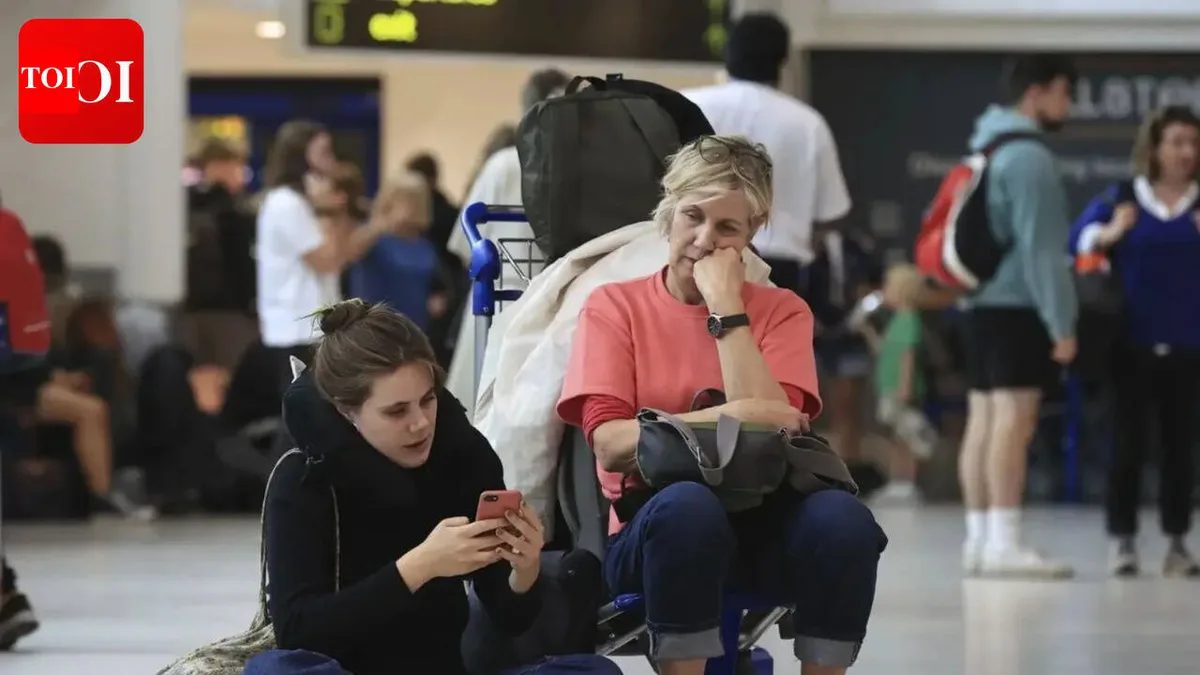
A survey by Airports Council International Europe on May 26 found queues reaching up to 3.5 hours at peak times in 45 airports across 20 European countries [1, 3]. The longest waits have been reported in Spain, Portugal, France, and other busy hubs known for high passenger volumes [1, 2]. An ACI Europe spokesperson said, "Queues are up to 3.5 hours at peak traffic times, according to a survey we conducted among 45 airports in 20 EU states on 26 May" [1].
Wizz Air UK managing director Yvonne Moynihan advised passengers to arrive three hours before flights from Europe to the UK, one hour earlier than usual, due to these delays. She said, "Because there is another passport check … that's where we see that people have, again, experienced longer waiting times than anticipated." She also recommended carrying a portable charger or water while waiting in lines [1, 3].
Technical issues and staffing shortages have contributed to the bottlenecks, forcing some airports to temporarily suspend or relax EES checks to relieve queues [1, 3]. For example, French police briefly suspended checks at Dover to speed up crossings for holidaymakers late May [1]. Greece recently suspended biometric EES checks for British travelers to avoid disruption during the busy summer season [3].
Some airports have coped better with the transition by adding staff and installing EES kiosks, such as Mallorca, but many continue to face significant congestion [1, 3]. Since the rollout began gradually in October 2025, the EES has recorded about 80 million entries and exits across the Schengen Area as of May 2026 [3].
Passengers with connecting flights are urged to allow several hours between flights to account for possible delays caused by biometric registration and border checks [1, 3]. A European Commission spokesperson said each biometric registration takes just over one minute on average, though some experience longer delays due to technical problems [2].
Airports and airlines will monitor the system closely in the coming weeks to ease wait times while handling increasing summer travel demand.