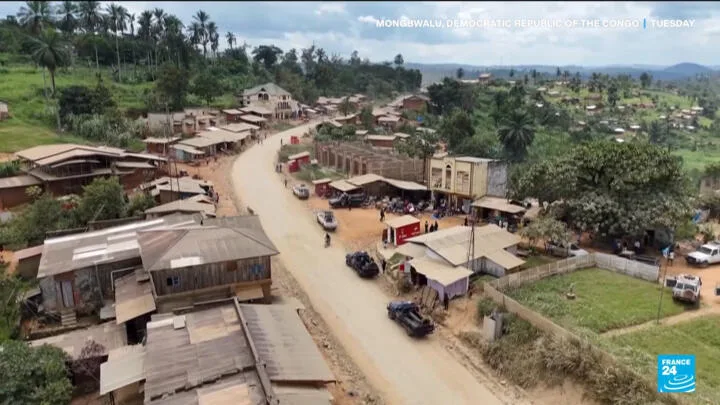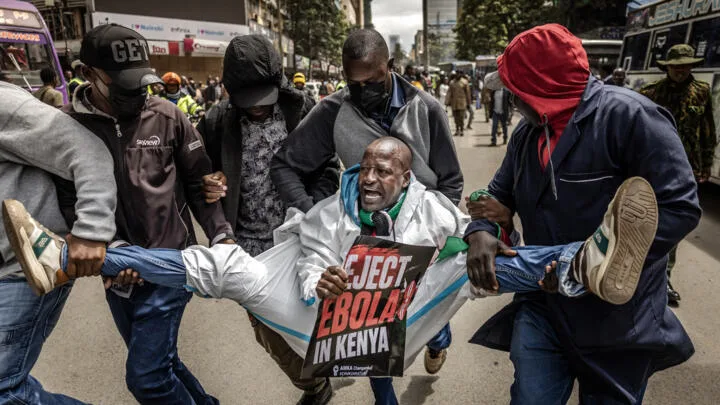
The Democratic Republic of Congo reported a record single-day surge of 72 confirmed Ebola cases on June 14, 2026, bringing total confirmed cases since the outbreak began on May 15 to 782, with 181 deaths, according to government sources [1]. The outbreak now spans 31 health zones across three provinces, including new reports from Nia-Nia in Ituri province and Mabalako in North Kivu [1].
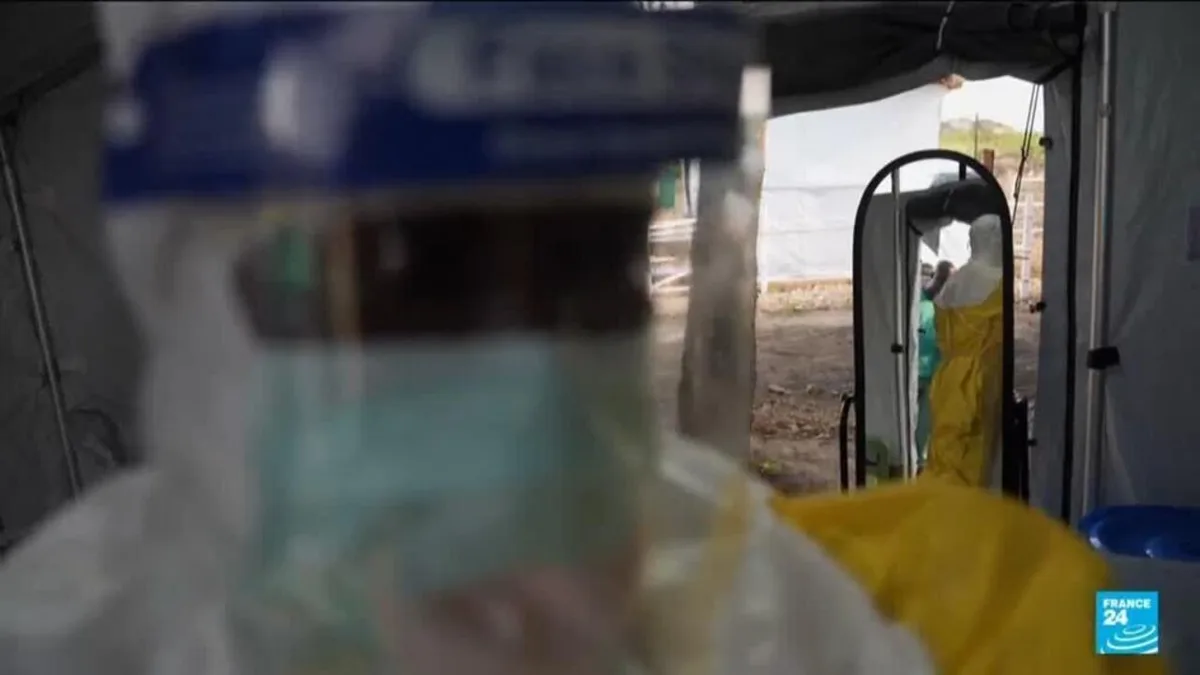
Health officials warn that thousands of Ebola cases remain untraced, raising concerns the epidemic could become the worst ever recorded [2, 3]. Weaknesses in contact tracing and shortages of infection prevention materials have hampered control efforts amid an acute funding gap of $21.5 million [1]. Treatment centers also face capacity limits, complicating care for infected patients [1].
The Africa CDC Director-General Jean Kaseya said the agency has deployed technical expertise, laboratory support, active case finding, and community engagement to accelerate the response [3, 1]. He called on partners and donors to "urgently mobilize resources to strengthen the response and save lives," emphasizing the commitment to stopping transmission [1].
Data from the World Health Organization vary. WHO reported 452 confirmed cases and 82 deaths in DRC as of mid-June, with an additional 19 confirmed cases and 2 deaths in neighboring Uganda [3]. WHO figures fluctuate, with previous reports citing 321 confirmed cases and 48 deaths plus 116 suspected cases in DRC [3]. Dr. Marie-Roseline Belizaire, WHO Incident Manager, acknowledged gaps in case detection, stating, "We are missing cases" [3].
The Ebola outbreak was declared on May 15, 2026, caused by the Bundibugyo Ebola strain [1]. On June 16, Jean Kaseya called on the international community to increase support for the response, citing urgent needs to boost laboratory systems and case monitoring [1, 3].
The next key step will be mobilizing the $21.5 million funding needed to expand treatment capacity and improve contact tracing as the outbreak intensifies and spreads further.