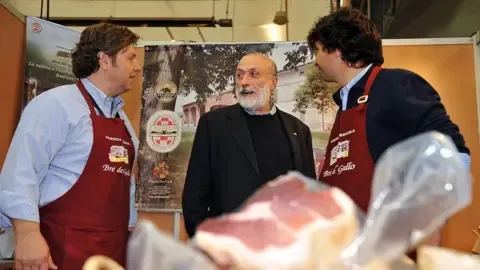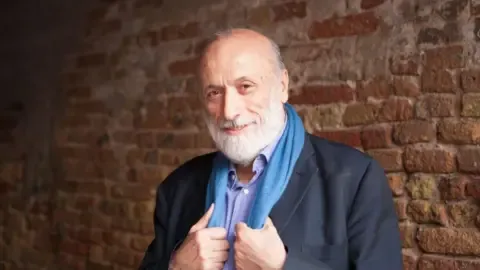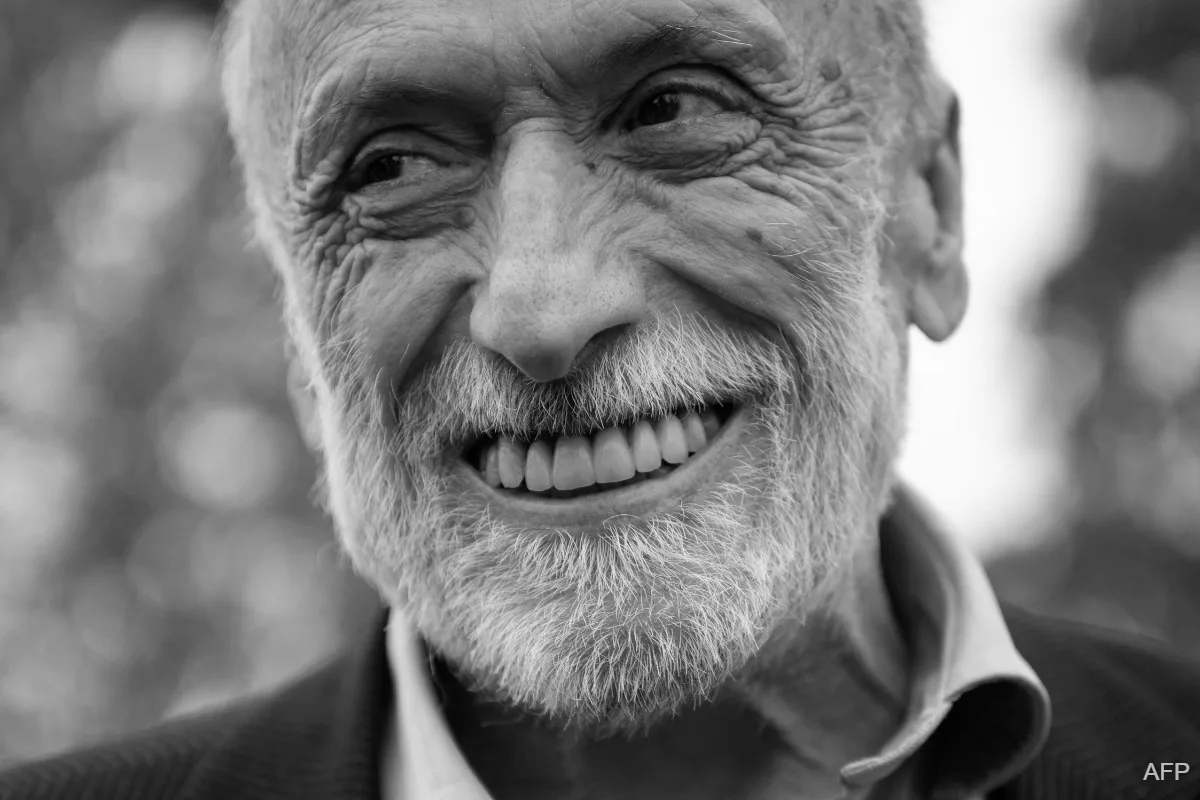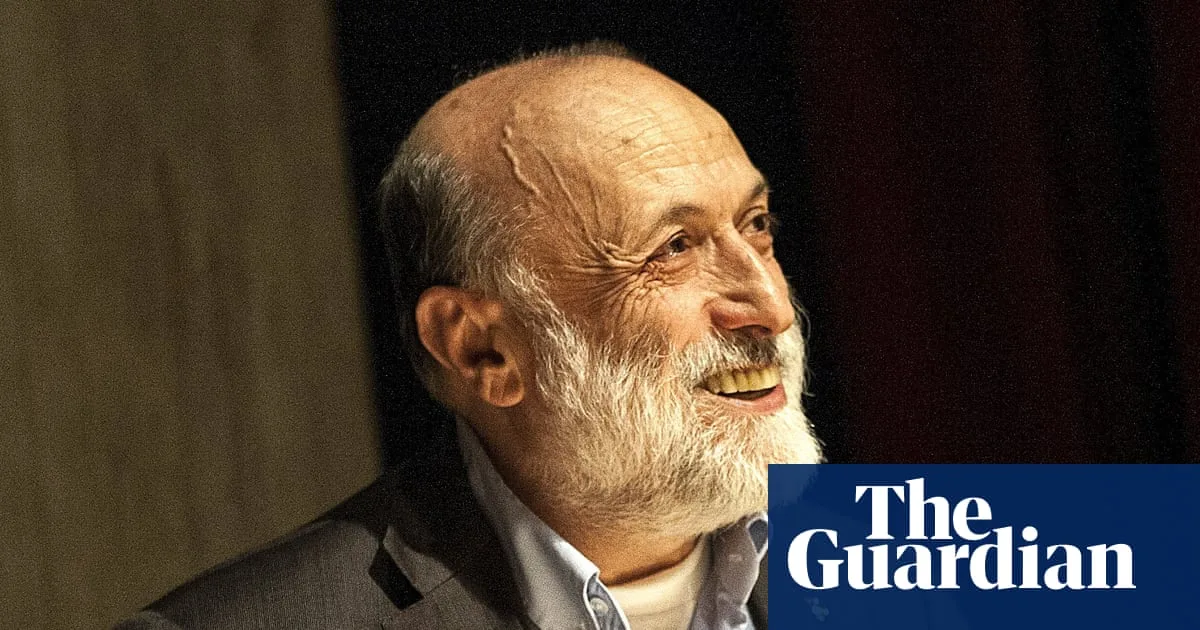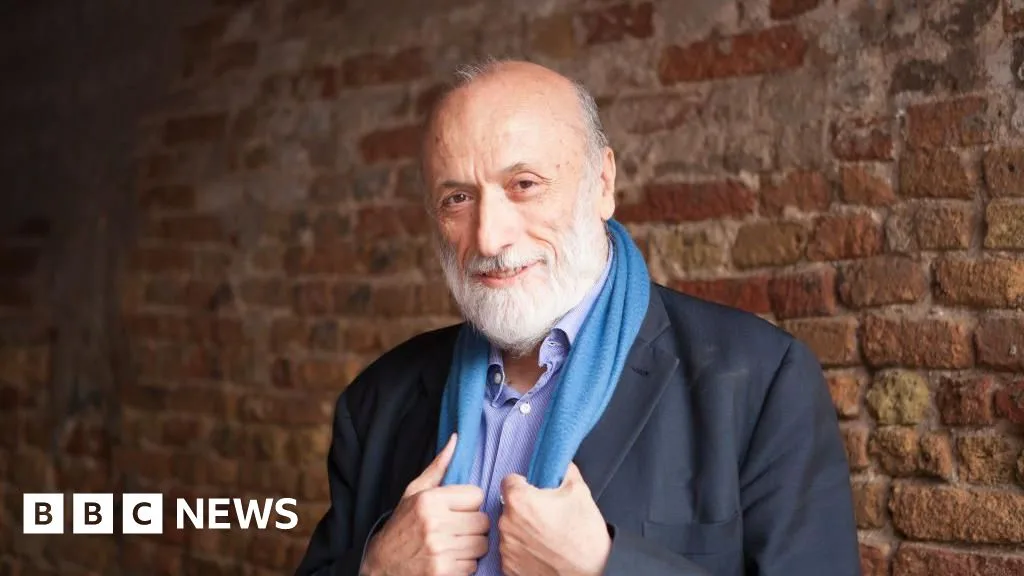
Carlo Petrini, the Italian journalist and writer who founded the Slow Food movement, died Thursday evening at his home in Bra, Piedmont, Italy. He was 76 years old [1, 2, 3, 4, 5, 6, 7].
Petrini started the Slow Food movement in 1986 in protest against the opening of Italy’s first McDonald’s fast food restaurant in Rome. The group opposed industrialized food and fast-food culture, advocating for "good, clean, and fair food," sustainable agriculture, biodiversity, traditional cooking, and the preservation of local food cultures [1, 2, 3, 4, 5, 6, 7].
Slow Food began as a small Italian initiative but grew globally and is now active in more than 160 countries worldwide [1, 2, 3, 4, 5, 6, 7]. Petrini served as president of the Slow Food organization until 2022, where he brought to life "a global movement rooted in the values of good, clean, and fair food for all," uniting farmers, artisans, cooks, activists, and youth around the world [2].
Beyond Slow Food, Petrini founded the Terra Madre network dedicated to sustainable agriculture and the University of Gastronomic Sciences in Pollenzo, Italy [3, 4, 5, 6, 7]. He was known for restoring the concept of gastronomy as a holistic, multidisciplinary field. "The idea of gastronomy as merely recipes and Michelin stars is a very limited one," he said [3].
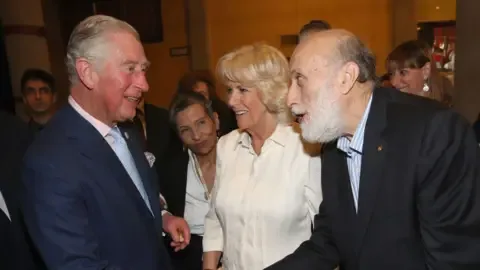
Petrini was diagnosed with prostate cancer in recent years but remained influential and active in the food movement [1, 2, 4]. He also had a friendship with King Charles III, sharing beliefs in sustainable and organic food [1, 2, 4]. In 2013, Pope Francis called him after Petrini sent a book and letter, a connection the founder described as, "A world in which one can fraternally embrace a Pope is truly a beautiful world" [1].
Italian President Sergio Mattarella called Petrini’s death "a great void, not only in the world of food and wine science, but also in society as a whole, not just in Italy" [4]. Prime Minister Giorgia Meloni described him as "a pioneer who was ahead of his time, raising the concept of food sovereignty and strengthening links between identity, land and tradition" [7].
The Slow Food organization continues his work of connecting communities worldwide around food justice and sustainable practices [2].