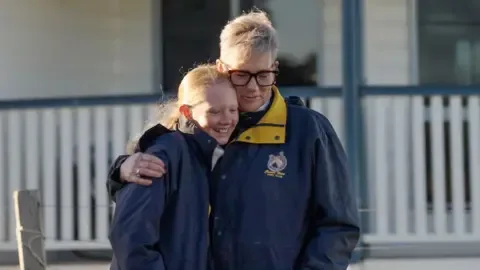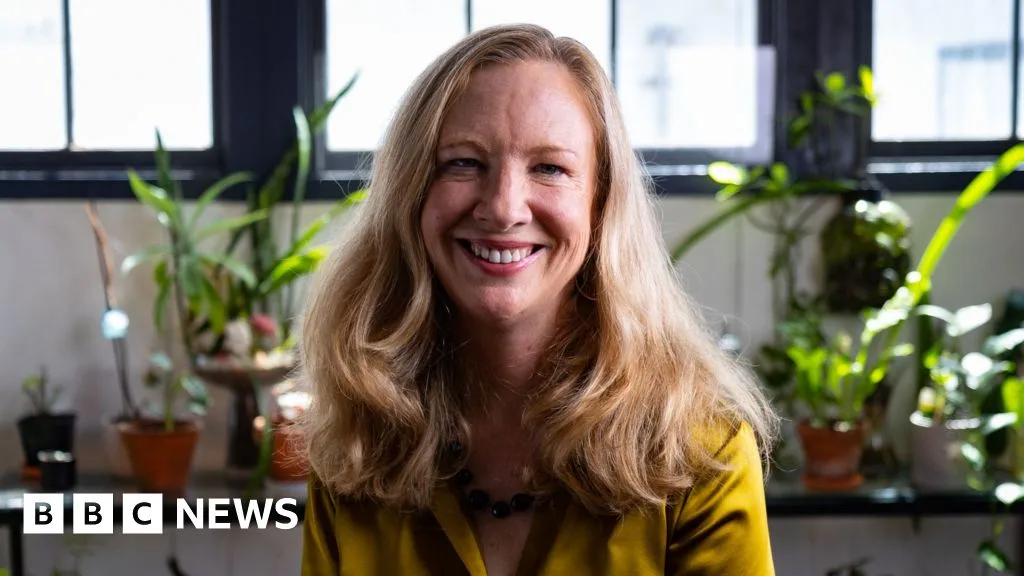
Chrissy Walters was diagnosed with advanced cervical cancer at age 39 after experiencing a major bleed at home in Toowoomba and undergoing multiple medical visits and biopsies nearly 12 years ago [1, 2]. Despite more than a decade of treatment, doctors now say her cancer is terminal. Walters has a 12-year-old daughter who was born after years of infertility [1, 2].
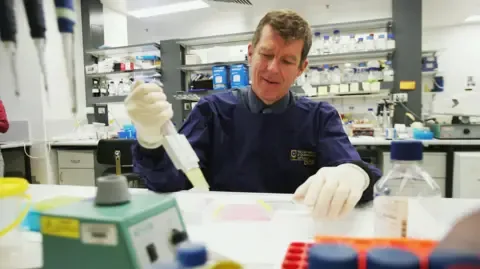
Australia introduced the Gardasil HPV vaccine in 2007, developed by Australian scientists in 2006, and was the first country to roll out a national HPV vaccination program [1, 2]. In 2013, Australia expanded vaccination to boys alongside girls, helping broaden protection [2].
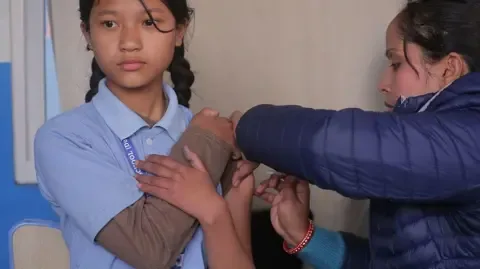
HPV infection is linked to cervical cancer, making vaccination one of the few effective preventive measures [1, 2]. Australia vaccinates schoolchildren against HPV as part of its National Immunisation Programme, reaching slightly above 80% coverage among girls under 15 [1, 2].
Cervical screening shifted in 2017 from cytology-based tests to more sensitive HPV-based tests, with self-collected samples also offered to improve accessibility. Screening coverage among women in the key age group stands at about 85% with tests performed every five years [2].
Australia aims to eliminate cervical cancer within about a decade, targeting fewer than four cases per 100,000 people annually, down from the current rate of about 6.3 cases per 100,000 women [2]. Despite progress, rates remain higher and more deadly for Aboriginal and Torres Strait Islander women, who tend to be diagnosed at later cancer stages, delaying elimination in these communities by an estimated 12 years [2]. Dr Natalie Strobel noted Indigenous women often receive diagnoses when cancer is more advanced [2].
Jocelyn Jones emphasized that missed vaccination opportunities without systematic catch-up programs place a heavy burden on families to ensure children are vaccinated later, stressing the importance of sustained public investment in prevention for maximum "investment return" [2].
Professor Karen Canfell said "everyone has a mother or a sister or a grandmother that's been impacted by cervical cancer," highlighting Australia's public health innovations as a model for the World Health Organization [1, 2]. Walters reflected on her experience: "I just said to [my husband] Neil… there has been a huge mistake" and that she "would never wish [this] on my worst enemy" [1].
The latest data showed no cervical cancer diagnoses among women under 25 in Australia as of 2021, a sign of the vaccine program's early impact [2]. Walters’ daughter reached the age at which Australia begins vaccinating children this year, underscoring ongoing efforts to protect new generations [1, 2].