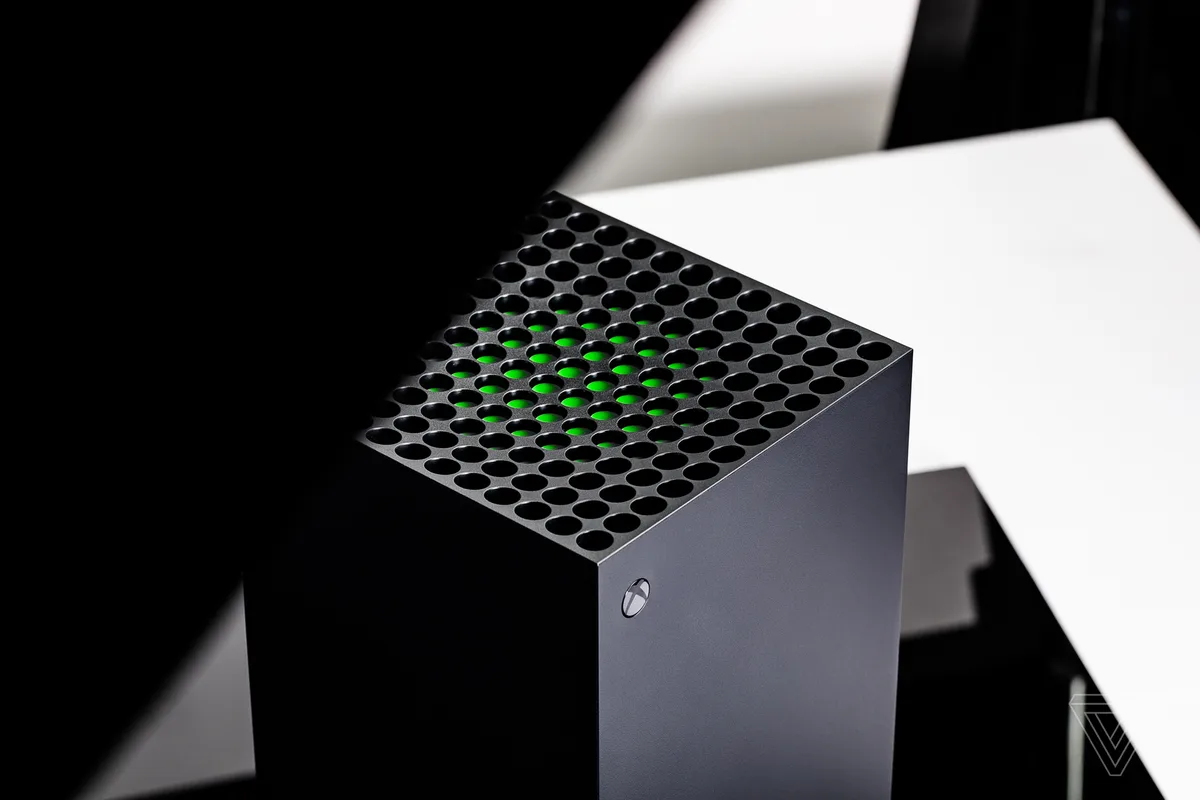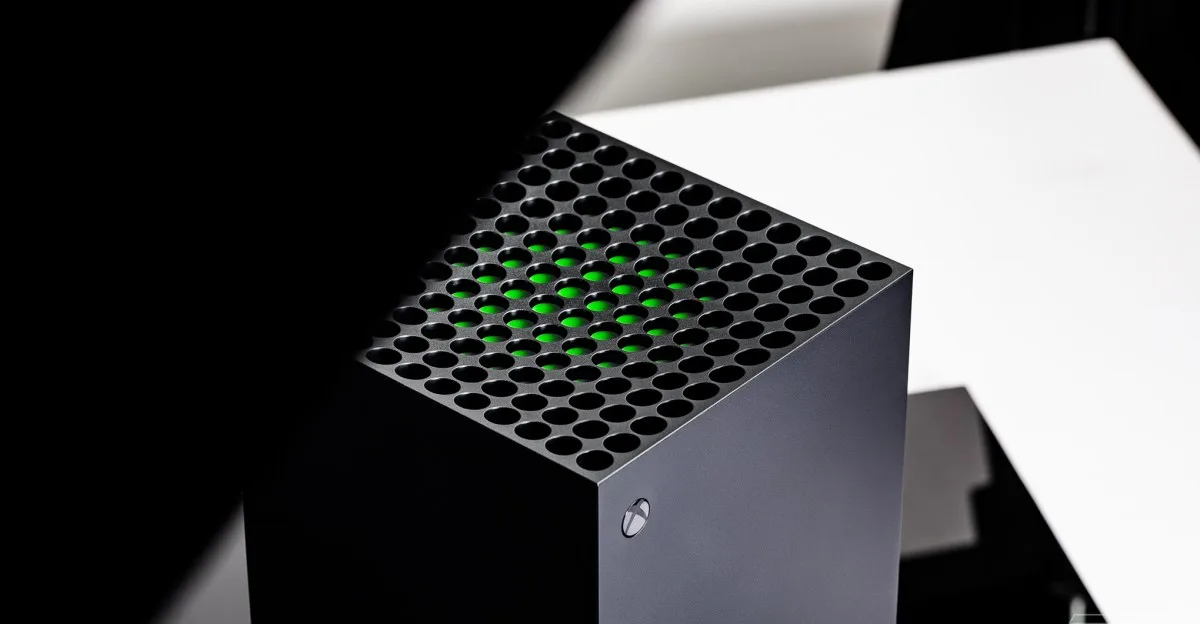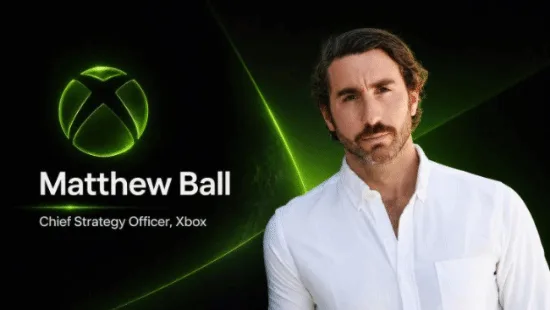
Microsoft’s Xbox division is unable to meet demand for its current consoles due to severe shortages of hardware components, a problem expected to last 2 to 2.5 years [1, 2, 3]. Xbox Chief Strategy Officer Matthew Ball told Summer Game Fest in June 2026 that supply is the main bottleneck. “We are producing them as quickly as possible. This is a severe limitation... It is a challenge for us to figure out,” Ball said [1].
The shortages and rising prices are partly driven by increased demand for memory and storage components related to artificial intelligence technologies [2, 3, 4]. Xbox CEO Asha Sharma emphasized that the industry-wide pricing crisis is forcing the company to rethink console costs and storage designs. “We must think about other ways to think about the cost construction of a console,” Sharma said [5].
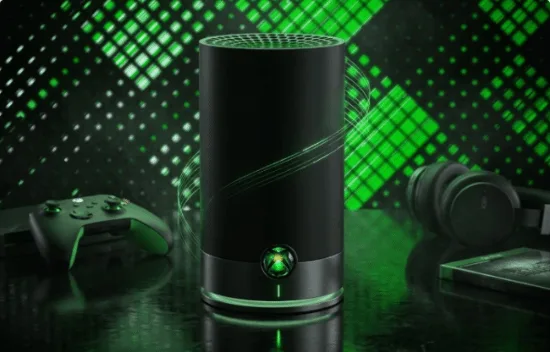
As part of its response, Microsoft is adjusting its next-generation Xbox console project, known internally as Project Helix [1, 2, 5]. Ball said the company is "working very hard to rethink everything that we can about Helix," focusing on affordability and flexibility so it can adapt to ongoing supply challenges [5].
Sharma also indicated Xbox will consider new and radically different business models to make consoles more accessible beyond premium high-performance devices. “I think we will start to see radically different business models that we never expected start to come into orbit later this year,” she said [5].
Xbox’s Game Pass subscription service lost millions of subscribers after its price jumped 50% last year [2, 3]. Meanwhile, physical hardware sales have been declining over several years despite the current demand and supply imbalances [3].
Despite continuing production challenges, Xbox plans to launch a new limited edition console late in 2026 [6]. The release aims to refresh the product line and possibly address market demands amid the ongoing constraints.
Xbox’s leadership publicly discussed these issues most recently at Summer Game Fest 2026. The company is navigating a difficult period with hardware shortages and market changes while committing to launch Project Helix on a new business model and cost structure tailored to the current tech and economic climate [1, 2, 3, 6].