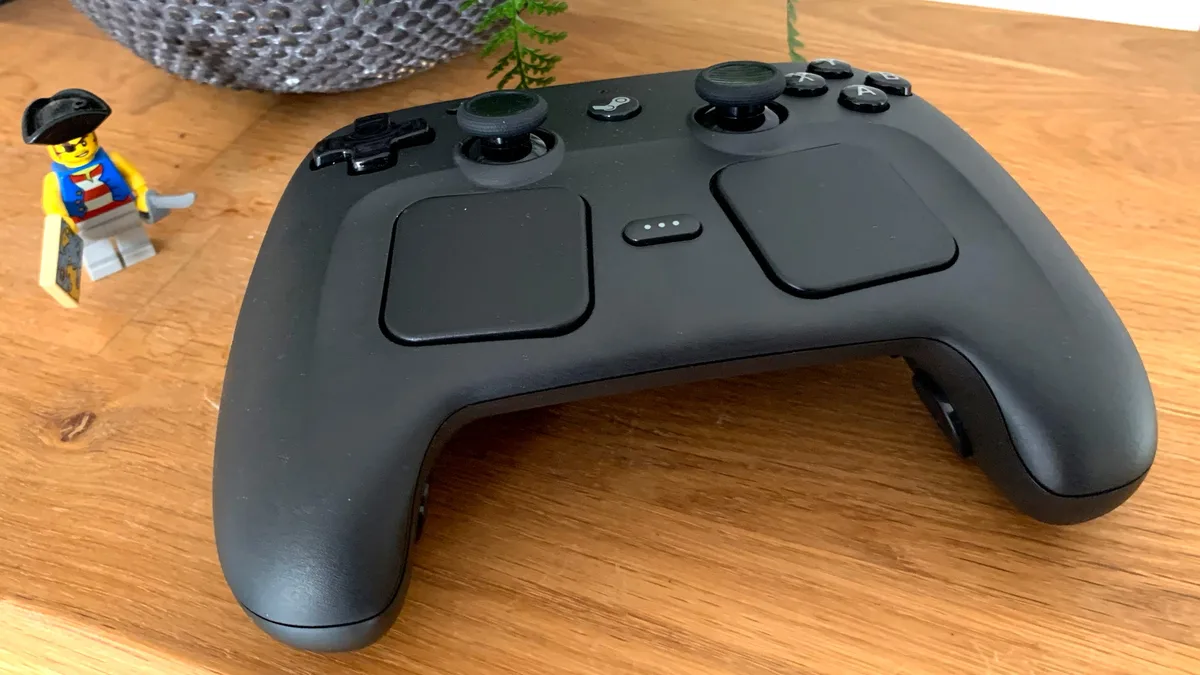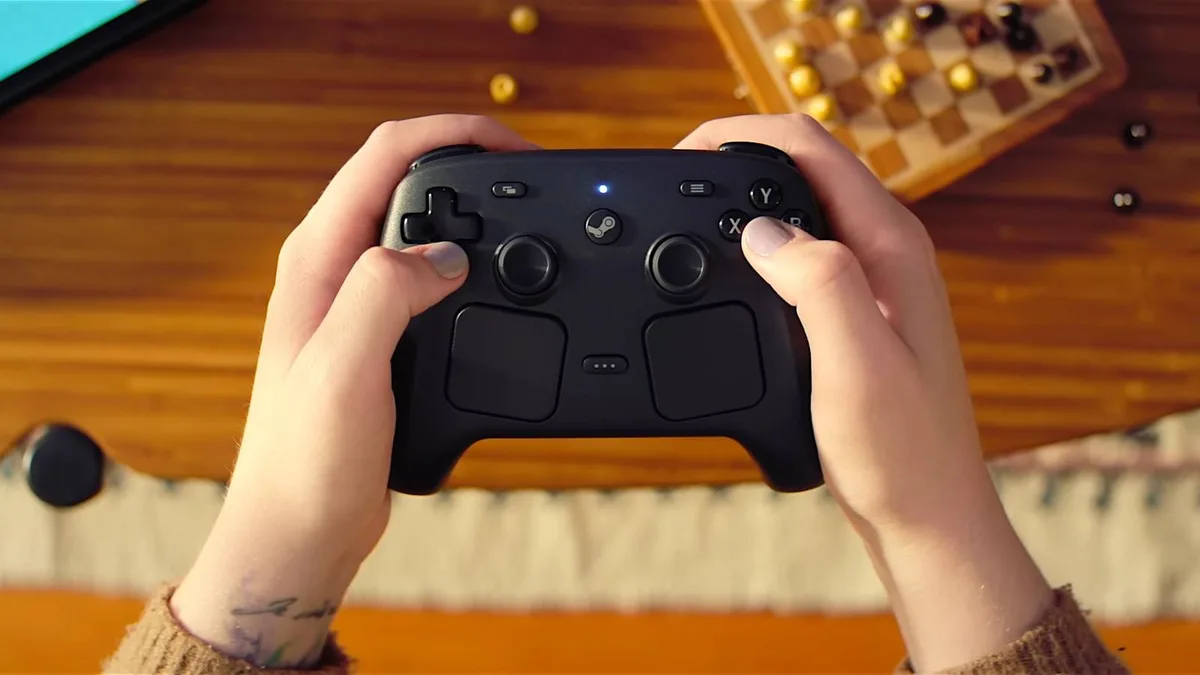
Valve launched the Steam Controller in early May 2026, pricing it at $99/£85, and it sold out immediately at launch worldwide [1, 2, 3, 4, 5]. Demand far exceeded Valve’s expectations, forcing the company to implement a reservation system a few days after release to manage the queue of interested customers [1, 3].
Valve updated customers in mid-June that estimated shipping windows for new reservations now span from September 2026 to December 2026 and, for many, into 2027 [1, 2, 3, 4, 5]. Customers in regions including the US and Australia who joined the reservation queue recently face the earliest possible fulfillment date in 2027 [3].
The Steam Controller order page currently shows three windows for shipment: by September 2026, by December 2026, or sometime in 2027 [1, 2, 3, 4, 5]. Valve warned that due to production constraints and soaring component costs—such as printed circuit boards affected by geopolitical supply chain issues—fulfillment of new orders has significantly slowed, with no plans to stop manufacturing the controller despite the delays [1, 2, 4, 5].
Valve said, “We have no plans to stop making Steam Controllers. But as we look at the current demand compared to how many we know we can make by the end of the year, we want to manage expectations as much as we can with regards to when folks can expect to receive their order” [1]. Another Valve statement echoed this, stressing careful management of customer expectations in light of limited production [5].
Polygon noted that the 2027 delivery window might still shift, stating there is "a chance that customers who reserve a Steam Controller could get one before that" [2].
To keep their place, customers have 72 hours to complete their purchase once their turn in the reservation queue arrives, or they risk losing priority [3].
Valve’s timeline started with the Steam Controller launch on May 4, 2026, followed by the introduction of the reservation system days later, and most recently the revised shipping estimates issued in mid-June confirming extended delays [1, 3, 4].