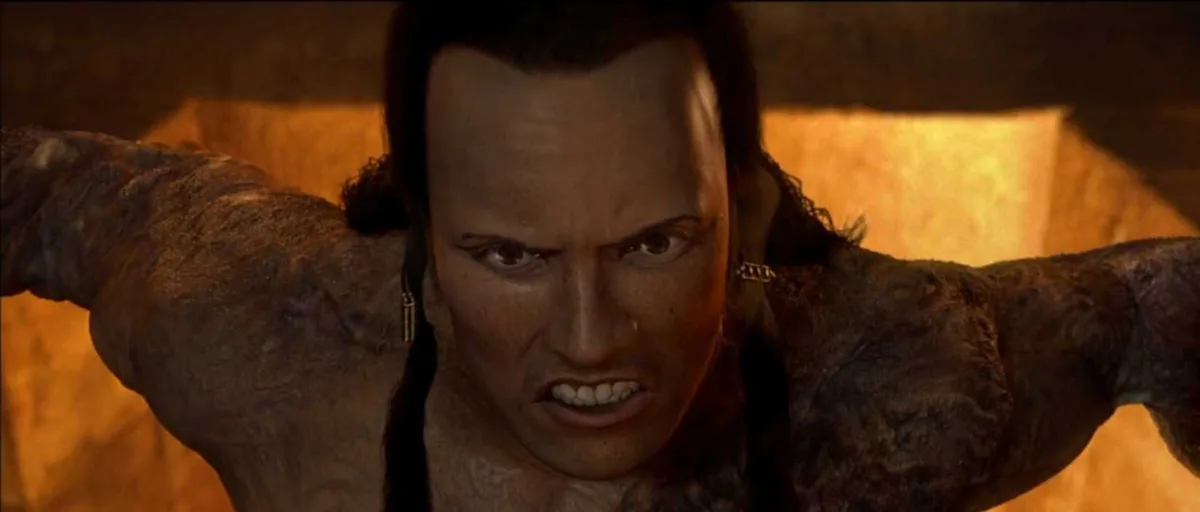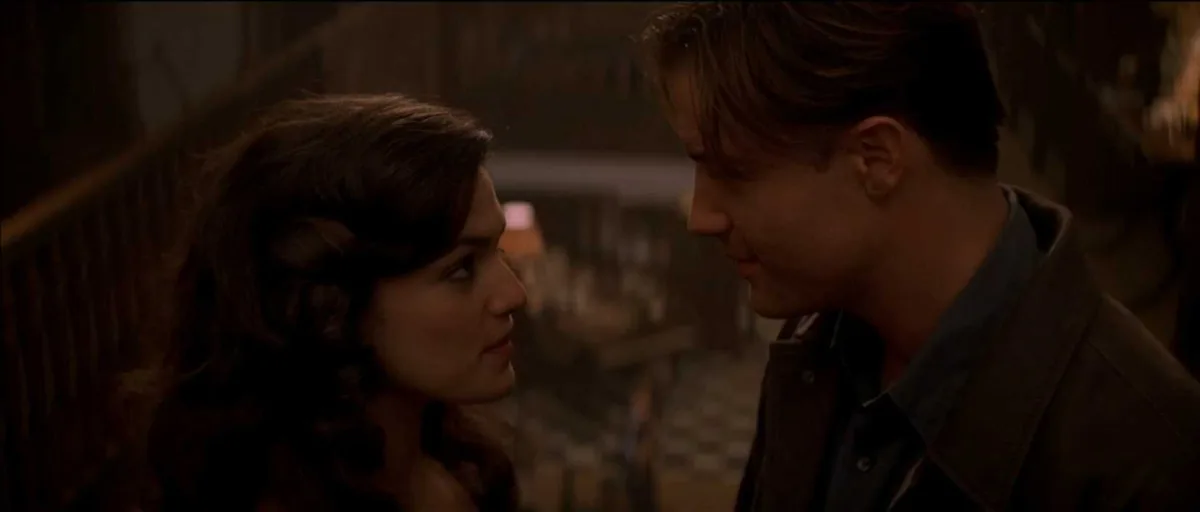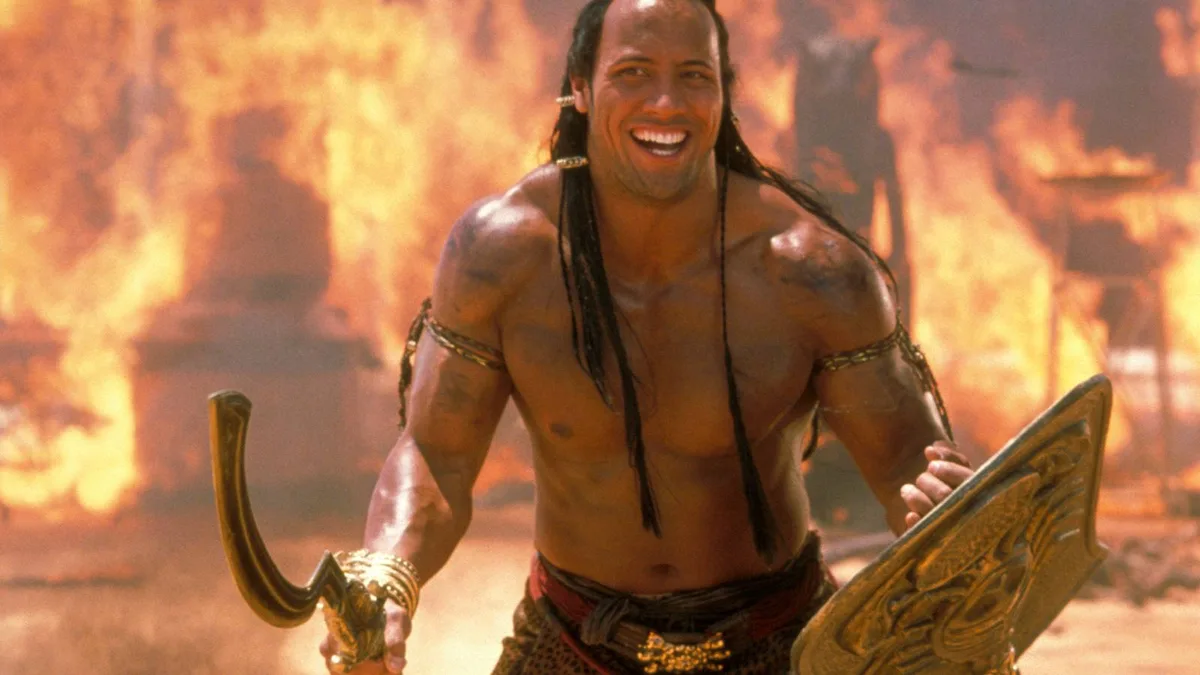
The Mummy Returns opened on May 4, 2001, 25 years ago today, as a major early-May summer blockbuster that stood apart from today’s superhero-dominated landscape [1]. The film served as a sequel to 1999’s The Mummy and continued the story of Rick O’Connell and Evie, now married and raising their son Alex seven years later [1].
As crowds headed to theaters for the film’s release weekend, the article recalls, "It’s the first weekend in May and you head to your local theater to check out a highly anticipated sequel that features fantastic outfits and the reawakening of an ancient evil" [1]. The Mummy Returns offered action and adventure rooted in mythology, contrasting with the superhero fare that has come to dominate the blockbuster space in later years.
The piece highlights how superhero films now regularly occupy the early-May slot in the release calendar, pushing non-superhero blockbuster attempts into financial underperformance [1]. In contrast, The Mummy Returns thrived in a period when summer kickoffs could feature a range of genres beyond superheroes.
Reflecting on The Mummy Returns’ place in franchise history, the film followed the original 1999 hit and expanded on its themes by showing the protagonists as a family facing supernatural threats together [1]. The sequel maintained an adventurous tone and visual flair that helped it stand out at the time.
Today’s retrospective comes alongside the appearance of new releases aiming to capture early-May audiences in 2026, framing The Mummy Returns as a notable example of pre-superhero blockbuster strategies [1]. The film’s enduring legacy as a non-superhero blockbuster kickoff 25 years ago underlines how May movie seasons have evolved since its release.