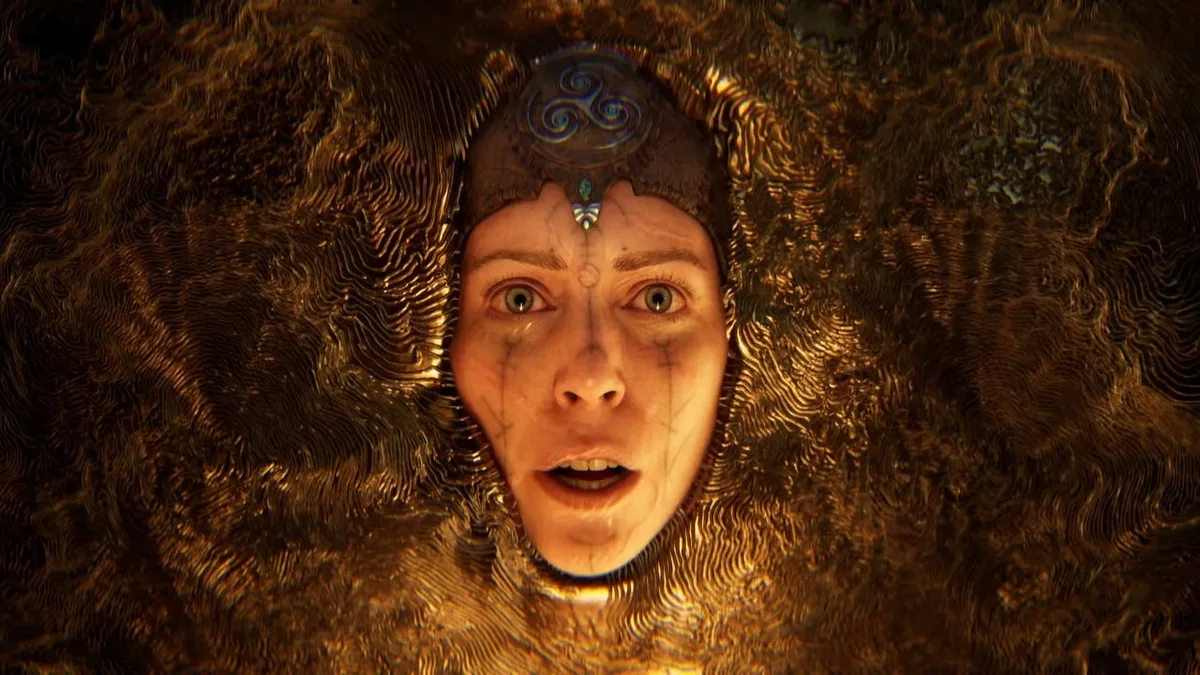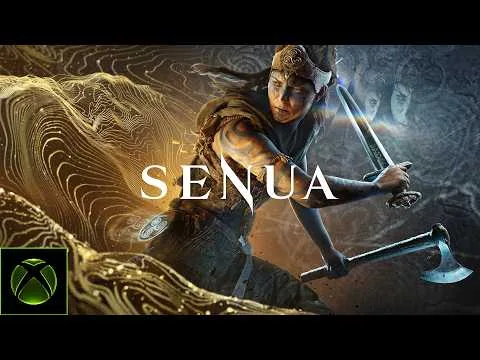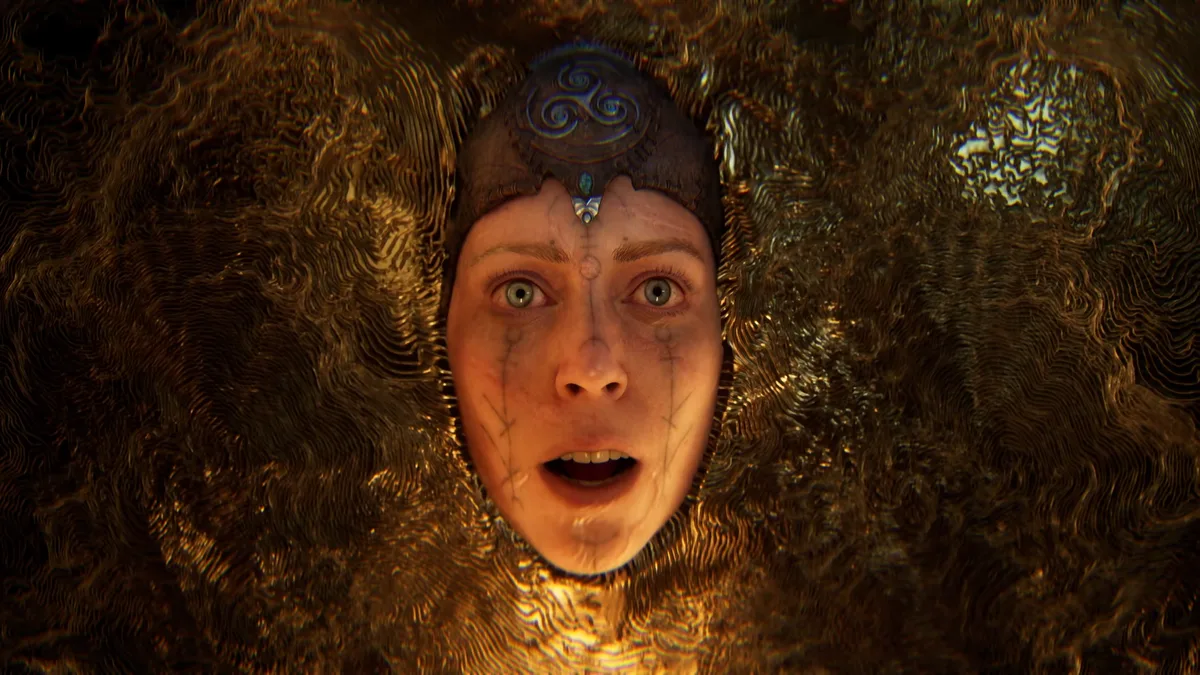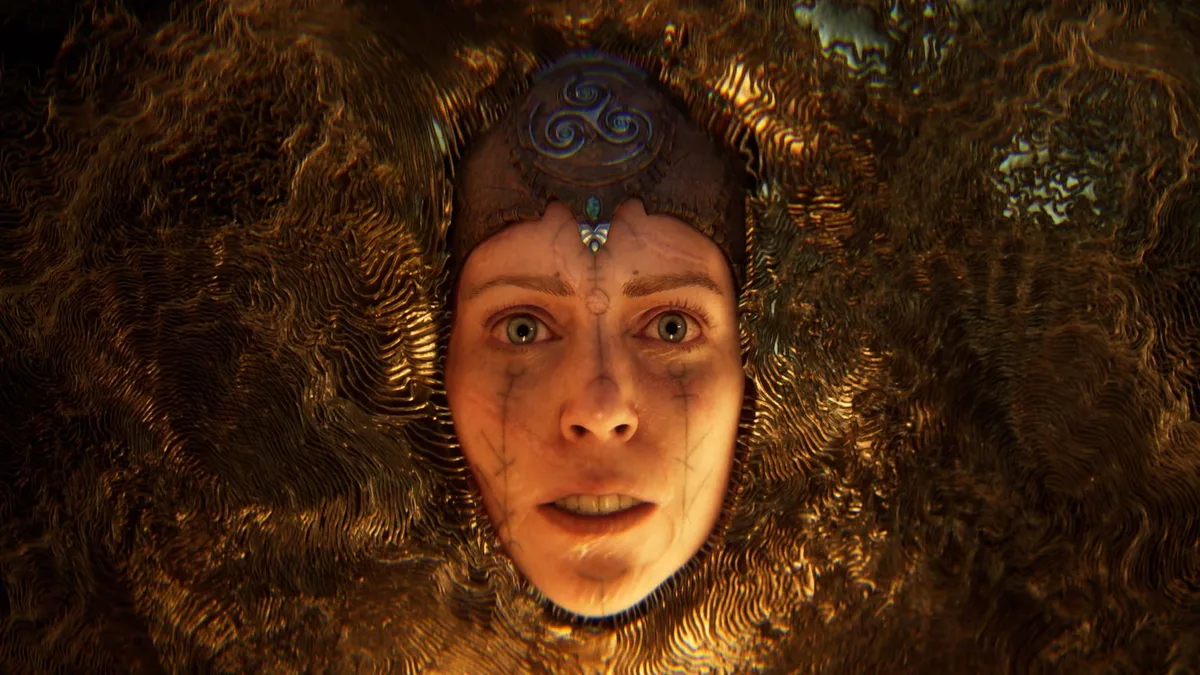
Ninja Theory revealed Senua at the Xbox Games Showcase on June 7, 2026, a new action-adventure game that continues the Hellblade series but is not titled Hellblade 3 [1, 2, 3]. The game follows the story of Senua after Hellblade 1 and 2, set in a vision of purgatory focused on healing personal wounds to reach the afterlife [1, 2, 4, 3].
Studio head Dom Matthews described Senua as "an out-and-out action-adventure game" and "a bold new step for Senua, as a character, into the action-adventure space" [1]. He added that the single-word title reflects "something fresh and new and different" and that "this is a different style of game" [2].
Development began in September 2024, shortly after Hellblade 2 shipped [3]. Ninja Theory canceled its previous project, Project Mara, to dedicate all 85 creatives to Senua [4, 3]. Matthews explained, "I took the decision to not work on that any further... to have all 85 creatives working together to realize the potential of what Senua can be" [4].
Senua’s gameplay is larger in scale and scope than previous entries. Its world map is approximately twice as large as Hellblade 2's and features interconnected linear levels with vertical traversal elements [1, 3]. The game includes more exploration, puzzles, and deeper combat mechanics [1, 2, 5, 4, 3].
New combat features include stealth options, multiple weapon types such as axes, dual-wielded weapons, and thrown weapons, and "Focus Abilities" that can be used for traversal, puzzles, and combat [1, 2, 5, 3]. Matthews emphasized the "tactical choice" players have: "you can go into fights and you have options as to how you approach that fight," including sneaking past enemies or engaging them directly [2].
Senua will launch in 2027 simultaneously on Xbox Series X/S, PlayStation 5, and PC, with availability on Xbox Game Pass [2, 3]. The game supports Xbox Play Anywhere, allowing cross-platform play on Xbox and PC [1].
The reveal trailer showcased the expanded gameplay and a world that builds on the mythology and themes of its predecessors, aiming to add features expected from a premium action-adventure game. Matthews said, "I think Hellblade I and Hellblade II had an intention that we delivered on — but this is a different intention. I think of it as being additive... adding the types of things that people expect from a premium action-adventure game" [3].