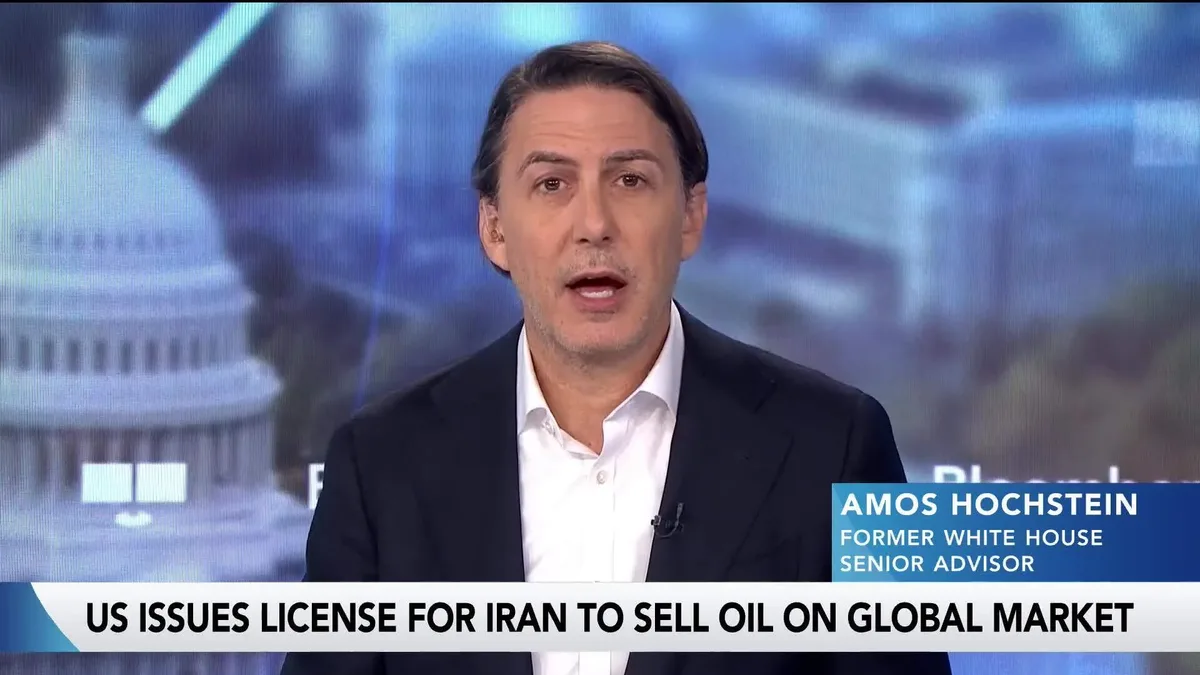
The US Treasury Department issued a 60-day general licence on June 22, 2026, authorizing Iran to produce, deliver, and sell crude oil, petrochemical, and petroleum products internationally until August 21, 2026 [1, 2, 3, 4, 5, 6, 7]. The licence also allows related services such as banking transactions, insurance, and transportation tied to Iranian oil sales [2, 3, 8, 6, 7, 9]. Payments may be made in US dollar-denominated funds [3, 7].
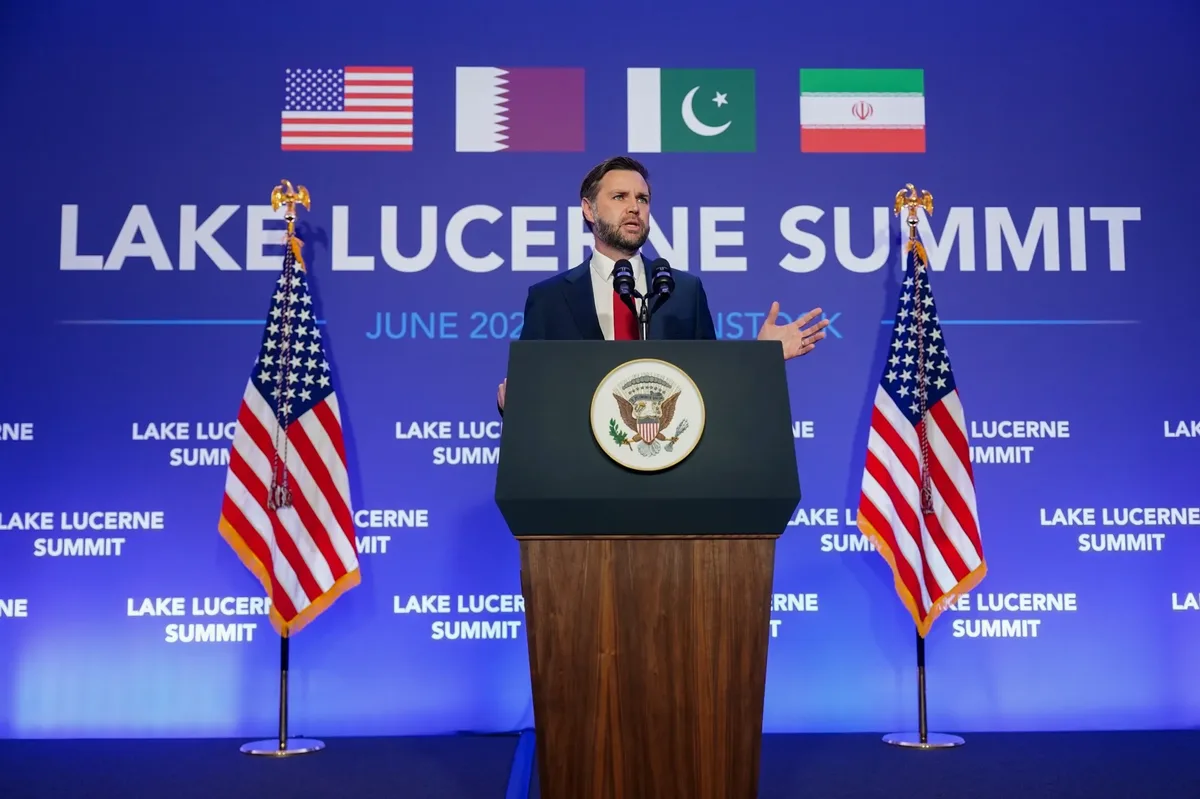
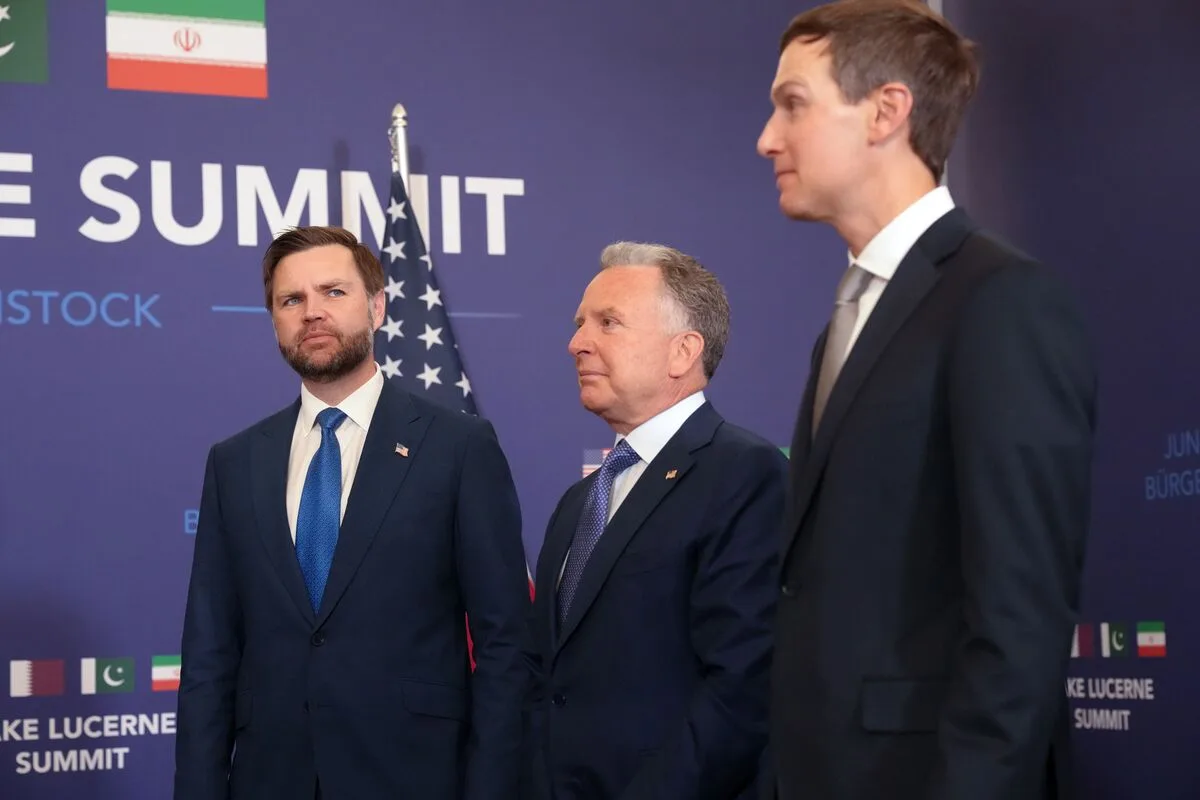
This move follows a memorandum of understanding signed around June 17, 2026, between the US and Iran outlining a temporary ceasefire and sanctions waiver framework, including the 60-day oil sale licence [2, 3, 6, 9]. The first round of peace talks took place on June 21 in Switzerland. US Vice President JD Vance called the talks “very, very good,” saying Iran agreed to allow International Atomic Energy Agency (IAEA) inspectors back into the country [1, 8, 6, 7]. However, Iranian officials denied any new commitments on nuclear inspections, stating no plan was agreed to allow new or resumed checks into damaged nuclear sites [1, 5, 6, 7].
The talks also covered the Strait of Hormuz. Iran has committed to free and open transit through the crucial waterway [2, 3, 4, 5, 6, 7]. The US and Iran agreed to establish a coordination mechanism including hotlines and a center to manage the situation [6, 7]. Iran disputes a full return to pre-conflict status, saying it will continue to control the strait [6, 7].
Disagreements remain over control of $12 billion in Iranian assets to be unfrozen in two $6 billion batches [6, 7]. The US and Qatar will jointly supervise release and use, according to Vice President Vance [6, 10]. Iran insists it alone will decide how to use the funds and rejects foreign oversight [10].
Iran's oil exports had plunged to about 64,000 barrels per day due to US sanctions and naval blockades before the waiver [9]. The licence allows Iran to resume sales at better prices with legal banking support, improving its economic situation [1, 8, 9]. After the sanction easing, international crude oil prices dropped significantly, with NYMEX crude down 2.62% to $73.86 per barrel and Brent down 3.3% to $77.90 per barrel [11, 5].
Iranian negotiators arrived in Oman on June 22 to discuss the Strait of Hormuz coordination mechanism [6]. Technical talks continued in Switzerland on June 23 to finalize agreement details [7]. The sanctions waiver remains in effect through August 21, with ongoing diplomatic talks expected.