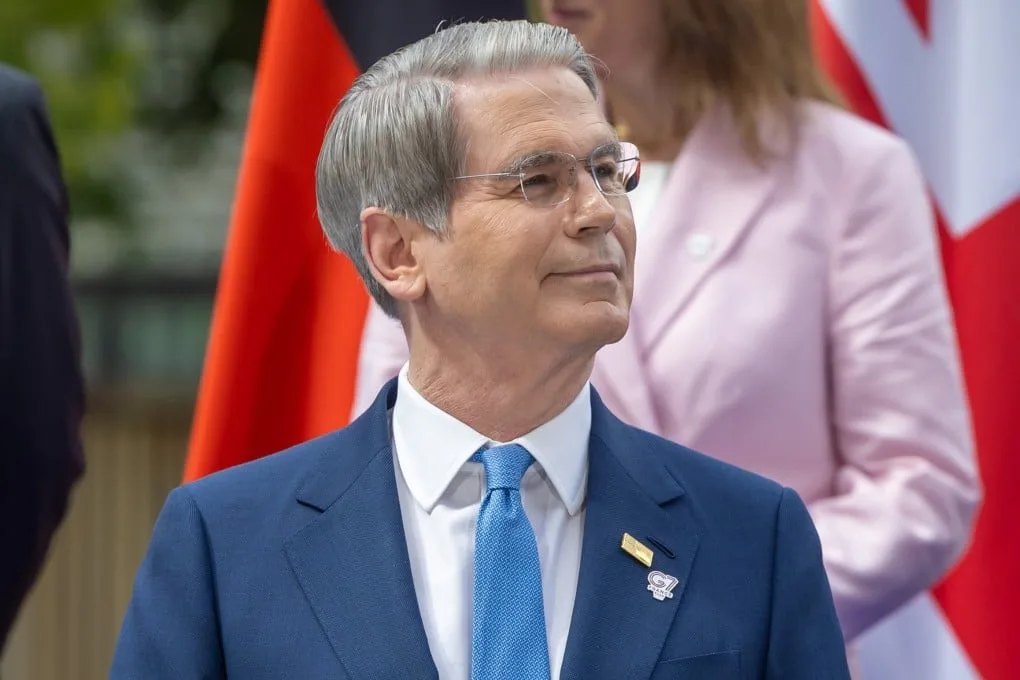
US Treasury Secretary Scott Bessent announced a temporary 30-day extension to allow countries to import Russian oil already in tankers at sea, aiming to ease energy shortages in poorer nations affected by the Iran war disruptions [1, 2]. Bessent said, "This extension will provide additional flexibility, and we will work with these nations to provide specific licenses as needed" [1, 2].
The extension intends to support energy-vulnerable countries facing oil shortages due to the ongoing conflict in Iran, which has disrupted global oil supply chains [1, 2]. It also seeks to limit China’s ability to stockpile discounted Russian oil by diverting supply to other nations in need. Bessent added, "This general license will help stabilize the physical crude market and ensure oil reaches the most energy-vulnerable countries. It will also help reroute existing supply to countries most in need by reducing China’s ability to stockpile discounted oil" [2].
The policy marks a shift from previous positions where US sanctions on Russian oil imports were expected to resume after temporary waivers expired. Critics worry this temporary relief could allow Russia to generate additional revenue to fund its war in Ukraine [1].
Earlier this year, the US Treasury granted an initial temporary waiver on sanctions for Russian oil imports already en route in early March 2026 [1]. In April 2026, the waiver was renewed even after officials had initially stated they did not plan to extend relief [1]. On May 18, 2026, Bessent announced the latest 30-day extension [2].
The current extension will remain in effect for the next 30 days as the Treasury continues assessing the situation and issuing specific licenses where needed [1, 2].