The US economy grew at a 2% annualised rate in the first quarter of 2026, rebounding after a slowdown late in 2025 as tech and AI spending drove much of the expansion. [1, 2]
Consumer spending rose 1.6% annualised in Q1, suggesting households were less battered than feared even as the war between the US and Iran pushed up fuel costs and kept pressure on prices. James Knightley, chief international economist at ING, said investment linked to tech and AI had become the main engine of growth in the US. [1, 2]
The conflict, now in its third month, has sent shock waves through energy markets. Brent crude hit a four-year high of $126 a barrel in early May before easing back to about $111, while US gasoline prices climbed from below $3 a gallon in February to $4.30 a gallon by the end of April. [1, 2]
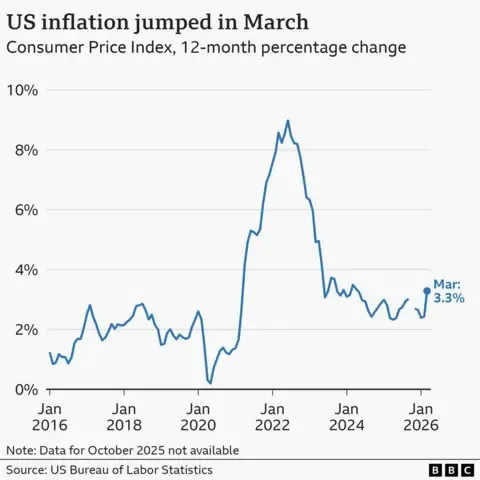
Inflation also firmed, with the annual rate rising from 2.4% in February to 3.3% in March, close to a two-year high. The Federal Reserve left its benchmark rate at 3.5% to 3.75% as it weighed those price pressures. [2]
Higher borrowing costs have fed through to housing. The 30-year US mortgage rate has risen from 5.98% before the war to 6.3% since US military action against Iran. [2]
Wall Street has been more resilient. The Nasdaq, S&P 500 and Dow Jones have recovered their early-war losses and kept rising, with the Nasdaq up about 10%. [2]
The economic picture is likely to loom large over the November 2026 midterm elections, with voters expected to focus on the cost of living as fuel and housing costs stay elevated. [1, 2]