The United Arab Emirates formally announced its departure from OPEC in early May 2026, ending its role as the organization's fourth-largest producer and second-largest source of spare capacity after Saudi Arabia [1]. The exit reduces OPEC's ability to stabilize global oil markets amid the largest-ever disruption in supply.
The crisis stems from the ongoing Iran war, which has disrupted crude exports in the Persian Gulf. This has blocked several OPEC members from deploying their spare capacity to counter supply shortfalls [1]. The UAE's withdrawal further constrains the group’s leverage during this period of tight markets.
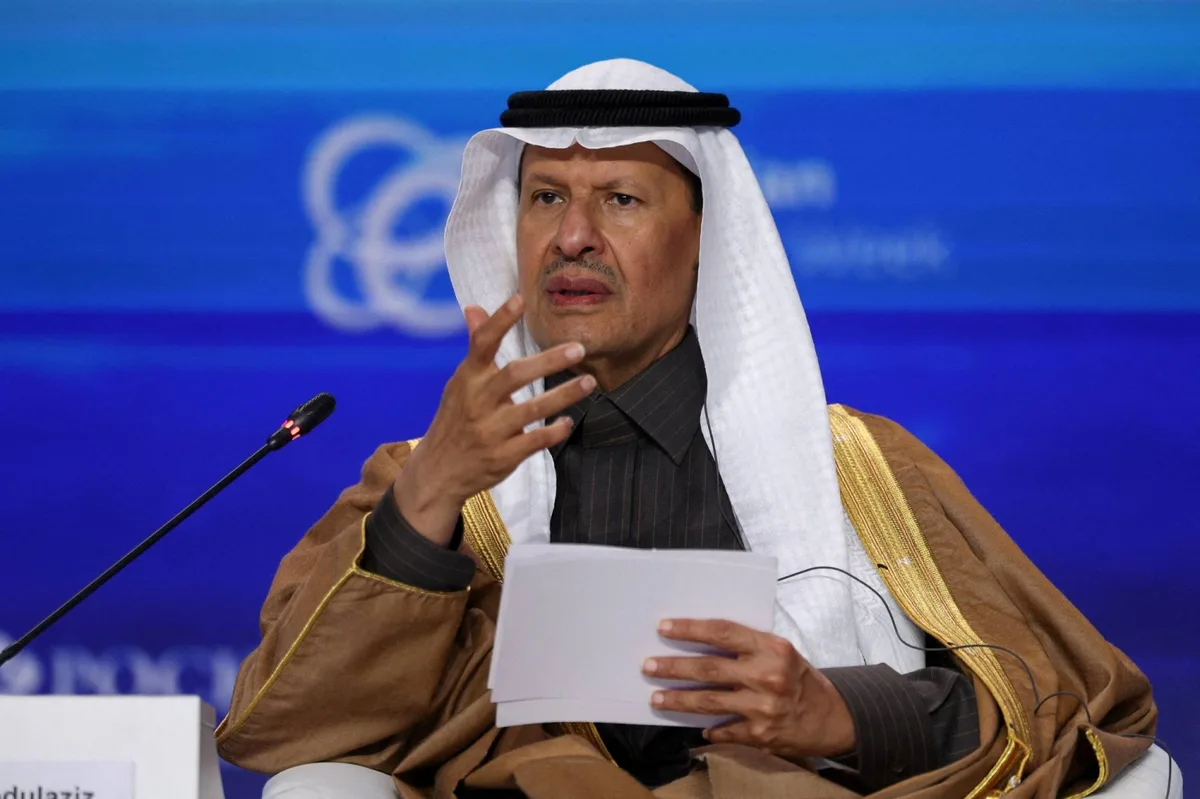
Saudi Arabia’s Energy Minister, Prince Abdulaziz bin Salman, now faces a significant challenge. The UAE’s move complicates his effort to coordinate production amid the crisis [1]. Reportedly, Prince Abdulaziz has shifted from a diplomacy-based approach to a more unilateral decision-making style in response to these pressures [1].
In 2025, the UAE had become OPEC’s fourth-largest oil producer, contributing a sizable portion of the group’s spare capacity. Its exit reduces the coalition’s flexibility and could prompt shifts in global oil pricing and strategy [1].
With the UAE’s departure confirmed in May 2026, industry watchers await how Saudi Arabia and remaining members will adjust output quotas and policy. The immediate focus is on Saudi Arabia’s next production decision, expected in the coming weeks, to address the ongoing supply disruptions and market volatility.